#41 of 500
· Rolling Stone
“The Stones at their darkest — 'Gimme Shelter' opens with the most ominous guitar riff in rock and never lets up. The original Decca pressing has a warmth that later reissues can't match. Keith's open-G tuning and Charlie's restraint make this the blueprint for gritty, blues-based rock.”
The Rolling Stones, formed in London in 1962, became one of the most influential and enduring rock bands in history. The classic lineup of Mick Jagger, Keith Richards, Charlie Watts, and Bill Wyman established themselves as the primary rival to The Beatles throughout the 1960s. Their early albums drew from American blues and R&B, while their mid-period work—including *Sticky Fingers* (1971) and *Exile on Main St.* (1972)—showcased a more sophisticated songwriting and production approach. The band continued recording and touring through subsequent decades, with notable albums like *Some Girls* (1978) and *Steel Wheels* (1989). Their influence on rock music, blues interpretation, and live performance remains unparalleled, spanning over six decades of continuous creative output.
Style
The Rolling Stones pioneered a blues-based rock sound characterized by Keith Richards' distinctive guitar work, swaggering vocals from Mick Jagger, and a driving rhythm section. Their style evolved from pure blues covers to innovative rock compositions blending blues, country, and funk influences.
Significance
For vinyl collectors, The Rolling Stones discography represents essential rock music history, with their 1970s albums widely considered masterpieces of analog recording. Original pressings of *Sticky Fingers* and *Exile on Main St.* are particularly prized for their sonic quality and iconic cover art.
Let It Bleed was recorded across 1968-1969 during a tumultuous period for the Rolling Stones, with sessions scattered between London and Los Angeles. The album marked a return to blues-based rock after the psychedelic experimentation of their previous work, with primary songwriting from Jagger-Richards. Key sessions included work at Olympic Studios in London and collaboration with producer Jimmy Miller, who would become instrumental in shaping the band's sound throughout the late 1960s. Notable guest appearances included Ry Cooder on slide guitar and Byron Berline on violin. The album captures the band at a raw, energetic peak, with Mick Jagger's vocals particularly fierce on tracks like "Sympathy for the Devil" and "Brown Sugar," though the latter's writing credits and earlier composition remain subjects of discussion among collectors.
Historical Context
Released in December 1969, Let It Bleed arrived amid significant cultural upheaval and coincided with the Altamont Speedway tragedy just days after its release, an event that would overshadow the era. The album represented the Stones' reassertion of blues authenticity against the progressive rock movement gaining momentum. It was commercially successful and critically acclaimed, re-establishing the band as rock's preeminent force after years of legal troubles and internal friction. The album's raw energy and mature blues interpretation resonated with audiences seeking substance over the experimental excess of psychedelia.
Pressing Notes
Original UK pressings on Decca featured the iconic zipper sleeve designed by photographer Robert Frank, with variations in zip quality across different printings—early pressings are prized by collectors. The original stereo mix differs notably from later remasters. US pressings on London Records featured alternative cover artwork and occasionally different sequencing. Reissues and remasters exist from multiple eras, including 1990s and 2000s digital remastering projects. Collectors should note that original UK first pressings command premium prices, particularly those with pristine jackets and intact zippers. The album has been reissued multiple times on 180-gram vinyl by various labels, making it accessible to modern collectors while original pressings remain investment-grade records.

Who's Next
The Who
A landmark rock album from the same era featuring raw power, dynamic arrangements, and the same gritty energy that defines Let It Bleed.
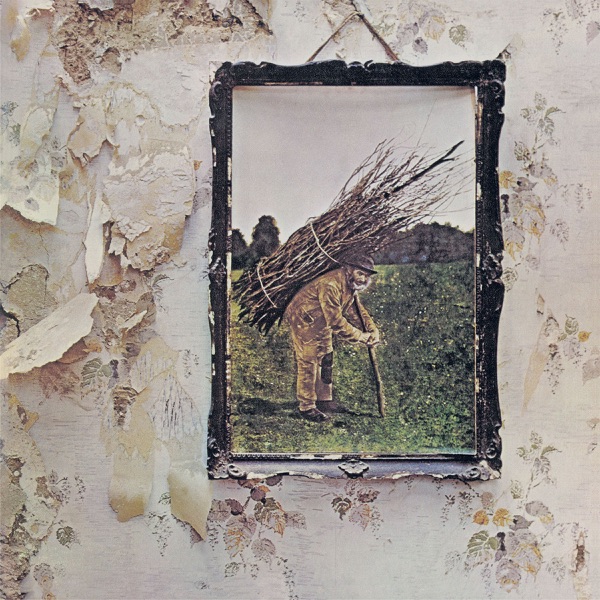
Led Zeppelin IV
Led Zeppelin
Combines blues-rock foundations with ambitious songwriting and sonic diversity, matching the blues-influenced rock sensibility of Let It Bleed.
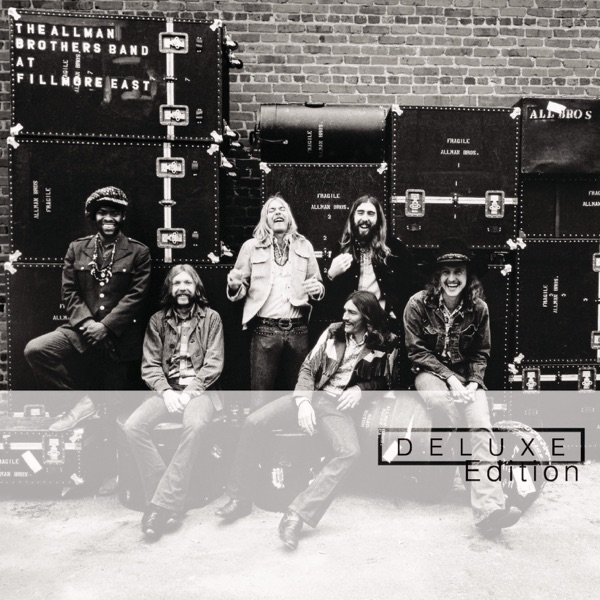
At Fillmore East
The Allman Brothers Band
Delivers the same balance of blues authenticity and rock power with excellent musicianship and extended jams that appeal to Let It Bleed collectors.
Own this record? Track it in your collection.