#379 of 500
· Rolling Stone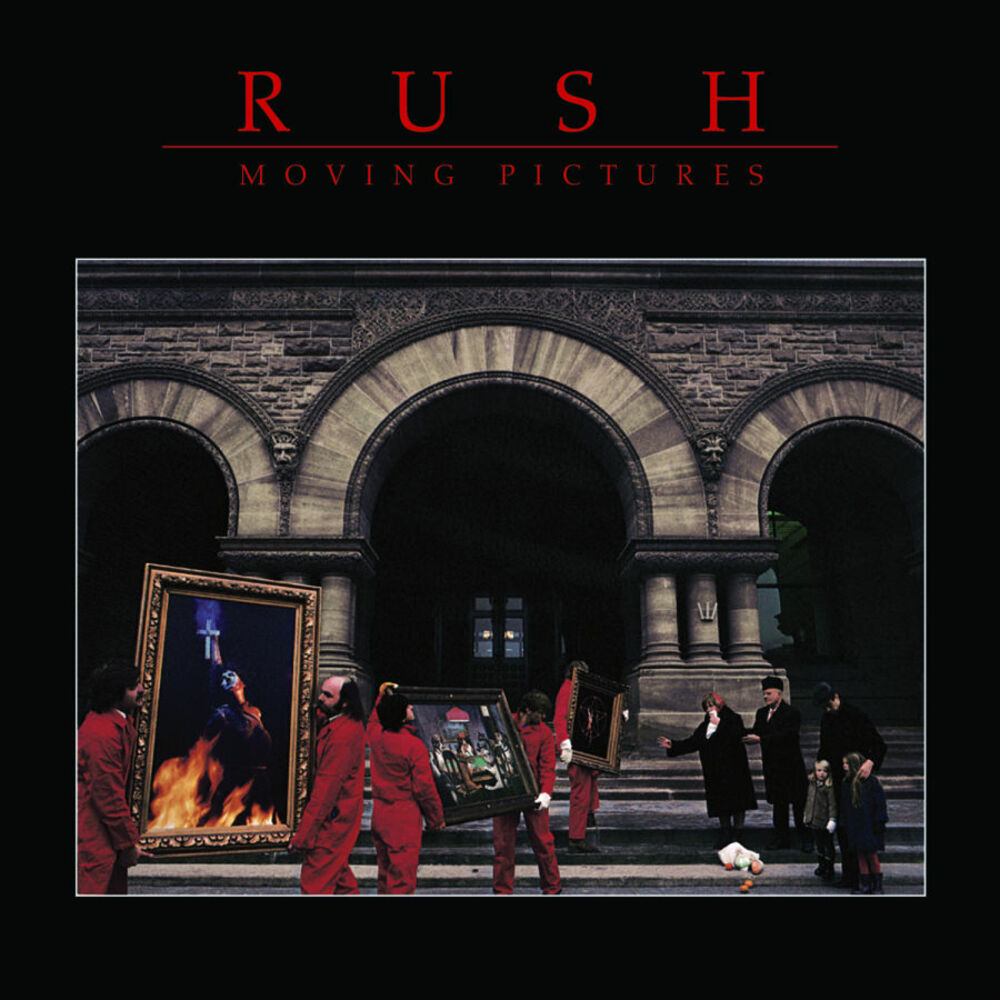
“Past 300, every pick is an argument worth having. Moving Pictures is Rush's statement piece (1981) — locked in from the first groove. The original pressing does justice to a record that defined its corner of rock.”
Rush is a Canadian progressive rock trio formed in Toronto in 1968, consisting of Geddy Lee (vocals, keyboards, bass pedals), Alex Lifeson (guitar), and Neil Peart (drums, lyrics). The band achieved cult status through their virtuosic musicianship and complex compositions, with their 1976 album '2112' becoming a landmark progressive rock release. Throughout the 1980s and 1990s, they evolved from heavy progressive rock toward synthesizer-driven new wave and alternative rock sounds, notably on albums like 'Moving Pictures' (1981) and 'Signals' (1982). Their later work demonstrated remarkable artistic reinvention while maintaining their technical excellence. Rush disbanded in 2018 following Neil Peart's death in January 2020, cementing their legacy as one of rock's most influential and enduring progressive acts.
Style
Progressive rock with complex time signatures, virtuosic instrumentation, and philosophical lyrics. Their sound evolved from heavy, synth-driven arrangements in earlier decades to more accessible alternative rock while maintaining technical sophistication.
Significance
Rush is highly significant to vinyl collectors due to their consistently high-quality album productions, innovative cover art, and the collectibility of their extensive discography across multiple pressings and formats. Their influence on progressive and alternative rock makes their records essential to serious collectors' collections.
Moving Pictures, Rush's eighth studio album, was recorded in 1980 at Le Studio in Quebec and The Record Plant in Los Angeles. The band—Geddy Lee, Alex Lifeson, and Neil Peart—entered the studio with a clear creative vision: to craft their most accessible and musically mature work to date. Peart's lyrics on the album reflect themes of ambition, human struggle, and introspection, while the band pushed their progressive rock formula toward greater melodic sensibility. The recording sessions saw Rush refining their instrumental prowess and Lee's vocal arrangements, with the band collaborating closely with producer Terry Brown, who had worked with them since their self-titled debut. The album's centerpiece, "Limelight," emerged as one of their signature compositions during these sessions, showcasing the band's ability to balance technical complexity with memorable hooks.
Historical Context
Released in February 1981, Moving Pictures arrived at a pivotal moment in rock music when progressive rock was being challenged by punk and new wave. Despite this cultural shift, the album became Rush's most commercially successful release, reaching #3 on the Billboard 200—their highest chart position to date. The album resonated with both longtime fans and new listeners, proving that complex, virtuosic rock music could achieve mainstream success. "Limelight" and "Tom Sawyer" (featuring a distinctive synthesizer intro by Lifeson) became staples of FM radio and MTV, introducing Rush's intricate musicianship to a broader audience. The album's success solidified Rush's status as progressive rock leaders during an era when the genre was often dismissed.
Pressing Notes
Moving Pictures was originally issued on Anthem Records in North America and Mercury Records internationally. Early first pressings from 1981 are sought after by collectors, particularly earlier Canadian pressings. The album has been remastered and reissued multiple times, including deluxe editions with bonus material. Modern 180-gram audiophile pressings are widely available and are recommended for sound quality. Collectors should note that original 1981 pressings vary in pressing plant quality; those pressed at RCA plants in North America tend to have superior sound compared to some international pressings. The album's sustained popularity means it remains readily available in multiple formats across most price points.

Close to the Edge
Yes
A progressive rock masterpiece with complex arrangements, virtuosic musicianship, and similarly ambitious song structures that appeal to Rush fans.

The Dark Side of the Moon
Pink Floyd
A landmark progressive rock album with conceptual depth, innovative production, and instrumental prowess that resonates with fans of Rush's musical sophistication.
Own this record? Track it in your collection.