#342 of 500
· Rolling Stone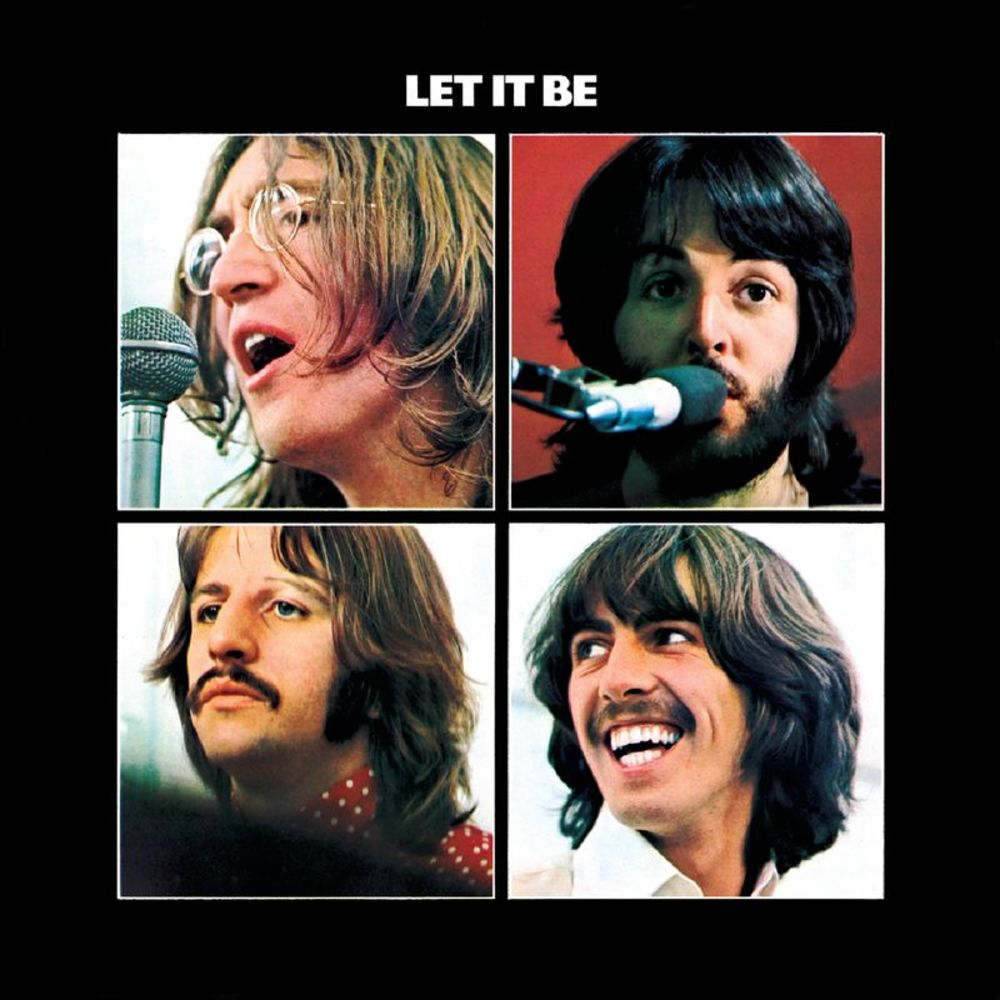
“Past 300, every pick is an argument worth having. Let It Be is The Beatles's statement piece (1970) — locked in from the first groove. The original pressing does justice to a record that defined its corner of rock.”
The Beatles, formed in Liverpool in 1960, revolutionized popular music and became the most influential band of the 20th century. The core lineup of John Lennon, Paul McCartney, George Harrison, and Ringo Starr released thirteen studio albums between 1963 and 1970, each marking significant artistic evolution. From their early pop sensibilities on 'Please Please Me' and 'A Hard Day's Night,' they progressed through the sophisticated pop of 'Rubber Soul' and 'Revolver,' to the landmark concept album 'Sgt. Pepper's Lonely Hearts Club Band' (1967), and finally the experimental work of 'The White Album' and 'Abbey Road' (1969). Their final album, 'Let It Be' (1970), was released after their breakup, documenting the band's creative dissolution.
Style
The Beatles' sound evolved from energetic British Invasion rock and roll to pioneering psychedelic rock, avant-garde experimentation, and sophisticated pop songwriting. Their work incorporated diverse influences including rock and roll, R&B, folk, Indian classical music, and electronic experimentation.
Significance
The Beatles are arguably the most collectible artists in vinyl history, with original pressings and first editions commanding significant value among collectors. Their albums represent essential recordings that defined modern record production techniques and remain benchmark examples of album-oriented artistry and sonic innovation.
Let It Be was recorded sporadically between January and March 1969, originally titled Get Back, during a particularly turbulent period for The Beatles. The sessions were filmed for a documentary and marked a return to live instrumentation after the studio experimentation of Sgt. Pepper's and The White Album. Paul McCartney led the project with his compositions "Let It Be" and "The Long and Winding Road" becoming central tracks. However, internal tensions were evident throughout—John Lennon and George Harrison were increasingly focused on solo work, and the band's creative unity had fractured. Producer Phil Spector was later brought in to arrange and overdub the material in late 1969, adding orchestral elements that Paul McCartney famously objected to, particularly on "The Long and Winding Road," which became a point of contention that lingered for decades.
Historical Context
Released in May 1970, Let It Be arrived just weeks after the Beatles' official breakup announcement, making it a poignant final statement. The album debuted at number one and dominated charts worldwide, though critics were divided on Spector's lush arrangements, which represented a dramatic departure from the band's raw, guitar-driven roots. The accompanying documentary film (released later in 1970) provided unprecedented insight into the band's working methods and deteriorating relationships. In the context of 1970's music landscape, the album was a bittersweet farewell to the group that had defined the 1960s, even as individual members' solo careers were gaining momentum.
Pressing Notes
The original 1970 Apple Records pressing featured Spector's orchestral arrangements and includes the famous red Apple label. Early British pressings (PCS 7096) are highly sought by collectors. A landmark 2003 remaster by Giles Martin removed some of Spector's overdubs, particularly on "The Long and Winding Road," offering a more stripped-down mix closer to the original recordings. The 2009 stereo remaster on the Beatles' reissue campaign is widely available. Audiophile pressings and Japanese pressings from the 1970s command premium prices. Collectors should note significant sonic differences between early pressings and later remasters, particularly regarding Spector's orchestration.

Abbey Road
The Beatles
Shares the same era's production style with strong melodic songwriting and diverse instrumentation across the band's catalog.

Exile on Main St.
The Rolling Stones
Contemporary blues-influenced rock with raw energy and layered production that appeals to fans of The Beatles' rootsy rock sound.

The Dark Side of the Moon
Pink Floyd
Features sophisticated rock arrangements and conceptual depth with exceptional vinyl pressing quality that showcases similar era innovation.

Who's Next
The Who
Powerful rock album with memorable melodies, dynamic arrangements, and emotional depth comparable to Let It Be's emotional range.

Goodbye Yellow Brick Road
Elton John
Early 1970s rock with strong melodic sensibilities, orchestral arrangements, and vocal-driven songwriting similar to The Beatles' approach.
Own this record? Track it in your collection.