#29 of 500
· Rolling Stone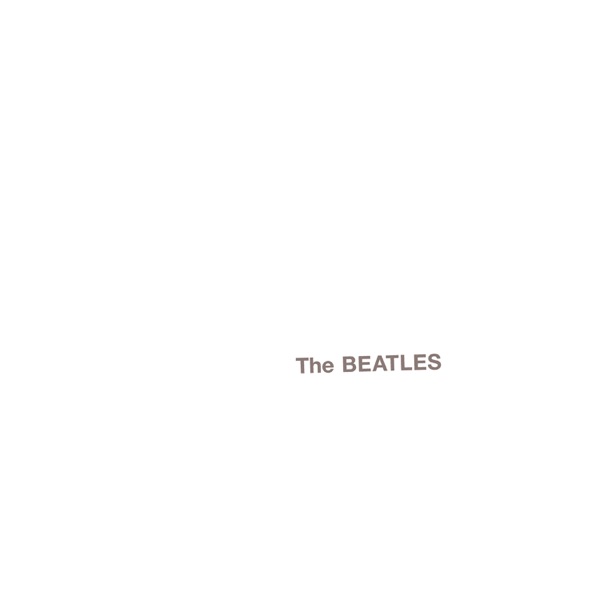
“A double album of controlled chaos — four solo artists sharing a band name. The first pressing with the embossed cover and low serial number is a serious collector's piece. Side three alone — 'Happiness Is a Warm Gun' to 'Helter Skelter' — contains more ideas than most bands manage in a career.”
The Beatles, formed in Liverpool in 1960, revolutionized popular music and became the most influential band of the 20th century. The core lineup of John Lennon, Paul McCartney, George Harrison, and Ringo Starr released thirteen studio albums between 1963 and 1970, each marking significant artistic evolution. From their early pop sensibilities on 'Please Please Me' and 'A Hard Day's Night,' they progressed through the sophisticated pop of 'Rubber Soul' and 'Revolver,' to the landmark concept album 'Sgt. Pepper's Lonely Hearts Club Band' (1967), and finally the experimental work of 'The White Album' and 'Abbey Road' (1969). Their final album, 'Let It Be' (1970), was released after their breakup, documenting the band's creative dissolution.
Style
The Beatles' sound evolved from energetic British Invasion rock and roll to pioneering psychedelic rock, avant-garde experimentation, and sophisticated pop songwriting. Their work incorporated diverse influences including rock and roll, R&B, folk, Indian classical music, and electronic experimentation.
Significance
The Beatles are arguably the most collectible artists in vinyl history, with original pressings and first editions commanding significant value among collectors. Their albums represent essential recordings that defined modern record production techniques and remain benchmark examples of album-oriented artistry and sonic innovation.
The White Album, officially titled 'The Beatles,' was recorded between May and October 1968 at Abbey Road Studios and marked a turning point for the band. Following their psychedelic masterpiece 'Sgt. Pepper's,' the Beatles returned to a stripped-down, rock-oriented sound. The double album was largely a solo project in spirit—each member contributed distinctive material reflecting their individual artistic directions. Paul McCartney brought 'Blackbird' and 'Ob-La-Di, Ob-La-Da,' John Lennon contributed the avant-garde 'Revolution 9' and intimate 'Julia,' George Harrison emerged as a significant songwriter with 'While My Guitar Gently Weeps' and 'Here Comes the Sun,' and Ringo contributed 'Don't Pass Me By.' Producer George Martin orchestrated the sessions, though creative tensions were evident as the band increasingly worked in separate sections. The album's raw, unpolished aesthetic was intentional, representing the group's desire to strip away studio effects and return to musical basics.
Historical Context
Released in November 1968, the White Album arrived during cultural upheaval—the Vietnam War, political assassinations, and student protests dominated headlines. The album's stark minimalist cover (designed by Richard Hamilton) stood in stark contrast to the colorful psychedelic artwork of the era. It became an instant commercial and critical success, though initial reviews were mixed regarding its experimental nature and uneven production. The album showcased the Beatles' growing divergence as songwriters and hinted at internal fractures that would lead to their breakup less than two years later. Despite its troubled genesis, it became one of the best-selling albums of all time and is now viewed as a masterwork.
Pressing Notes
The original UK pressing came in a gatefold sleeve with a numbered serial number on the back cover, all copies theoretically numbered from 0000001 upwards, though this was abandoned early in production. Early numbered copies are highly sought by collectors. The album was pressed on high-quality virgin vinyl, and original 1968 UK pressings typically feature superior sound quality compared to later reissues. Subsequent pressings included different artwork variations and label designs. A stereo mix and mono mix were both released; the mono version is rarer and prized by collectors. Japanese pressings from the 1970s are also notable for their quality. Modern reissues exist in various formats, but audiophile collectors typically seek original UK first pressings for optimal sound.

The Wall
Pink Floyd
Like the White Album, this double album features ambitious production, experimental studio techniques, and explores varied emotional terrain across its length.

Tommy
The Who
This rock opera shares the White Album's ambitious scope, genre-blending tracks, and exploration of unconventional song structures within a rock framework.
Led Zeppelin IV
Led Zeppelin
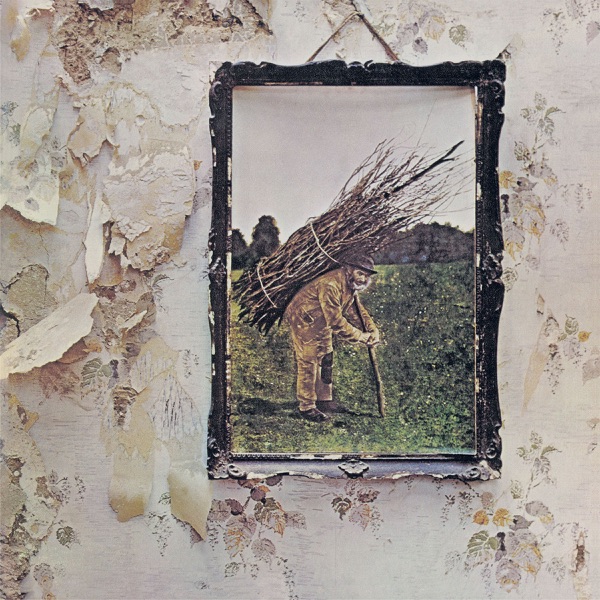
The White Album's raw rock energy and mystical elements are reflected in this album's mix of hard rock, folk influences, and experimental production choices.
Electric Ladyland
Jimi Hendrix
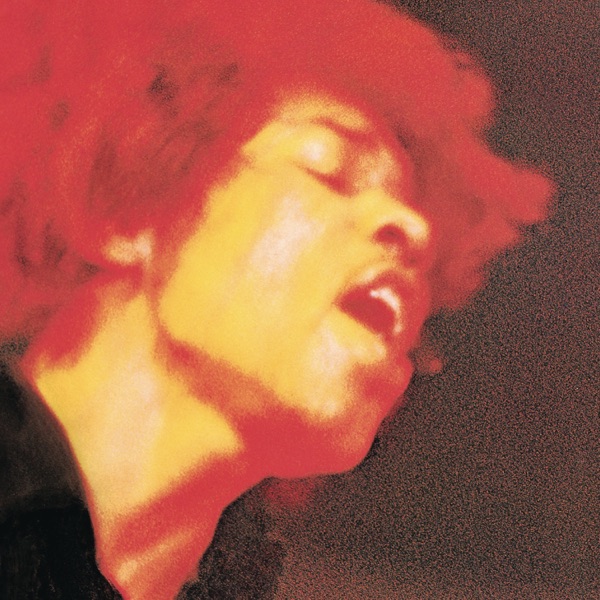
This double album matches the White Album's studio experimentation, genre diversity, and groundbreaking production that defined late-1960s rock music.
Own this record? Track it in your collection.