#285 of 500
· Rolling Stone“Third/Sister Lovers by Big Star (1978) sits at #285 and earns every bit of it. This is the part of the list where the real crate-digging starts. The original pressing is built for vinyl playback — the kind of album that sounds better on wax.”
Big Star was an American rock band formed in Memphis, Tennessee in 1971 by Alex Chilton, Chris Bell, Jody Stephens, and Andy Hummel. The group released three studio albums between 1972 and 1974 before dissolving, yet their influence on power pop and alternative rock became profound and enduring. Their debut album '#1 Record' (1972) showcased sophisticated pop sensibilities with jangly guitars and intricate harmonies, while 'Radio City' (1974) refined their melodic approach. Though commercially unsuccessful during their initial run, Big Star achieved cult status that grew substantially after their reunion in the 1990s. Their work has been reissued and championed by successive generations of indie rock musicians and collectors.
Style
Big Star pioneered power pop with their combination of 1960s-influenced melodic songwriting, jangly guitar work reminiscent of The Beatles and The Byrds, and emotionally direct vocals. Their sound balanced pop accessibility with sophisticated arrangements and underlying melancholy.
Significance
Big Star's influence on alternative rock and indie pop is immeasurable, inspiring countless artists from R.E.M. to The Replacements. For vinyl collectors, their original Memphis Records pressings are highly sought-after, with '#1 Record' and 'Radio City' considered essential power pop documents and important artifacts of 1970s American rock.
Big Star's third album, initially titled "Third" but later reissued as "Third/Sister Lovers," was recorded in 1973-1974 during a period of significant personal and professional turmoil for the band. Originally formed in Memphis with Alex Chilton, Jody Stephens, Andy Hummel, and Chris Bell, the group had disbanded by this point, leaving Chilton and Stephens to complete the album with session musicians and studio collaborators. The recording sessions were fragmented and emotionally raw, reflecting Chilton's struggles with depression and substance abuse. Recorded primarily at Memphis's Ardent Studios, the album showcases a dramatic shift from the band's earlier power pop aesthetic toward introspective, orchestrally-arranged material. Chilton's vulnerable vocals and the lush string arrangements created an unexpectedly intimate work that stood apart from contemporary trends.
Historical Context
Released in 1978 (though largely recorded years earlier), "Third" emerged during a period when punk and new wave dominated popular music, making its emotional vulnerability and complex arrangements seem oddly retrograde. The album received little commercial attention initially, but it gradually gained cult status among musicians and critics who recognized its artistic ambition and emotional honesty. In retrospect, it's been hailed as a proto-alternative rock classic and a precursor to 1980s indie sensibilities. The album's influence on alternative and independent rock proved far more significant than its initial sales suggested, with artists consistently citing it as a formative influence.
Pressing Notes
The original 1978 PVC Records pressing is scarce and collectible. The album was reissued multiple times under the title "Third/Sister Lovers" to avoid confusion and incorporate alternate mixes. Notable reissues include Ardent Records editions from the 1990s and 2000s. Collectors should seek out early pressings for superior sound quality, though all vinyl editions are relatively hard to find in good condition. The Ardent Records reissues are generally considered superior for fidelity. Original PVC pressings are valuable to collectors despite occasional surface noise issues typical of that label's pressing quality.
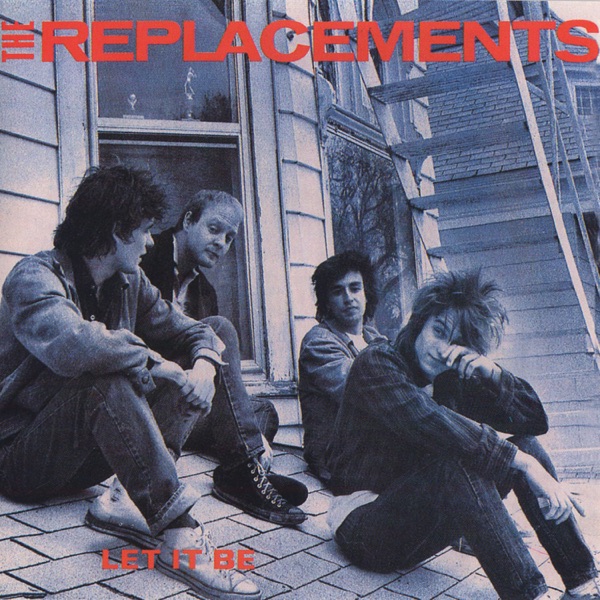
Let It Be
The Replacements
Shares Big Star's ability to balance raw emotional vulnerability with catchy hooks and experimental studio production throughout the album.

Crooked Rain, Crooked Rain
Pavement
Channels the same melancholic beauty and alternative approach to rock songwriting that made Big Star influential to 1990s indie rock.
Own this record? Track it in your collection.