#283 of 500
· Rolling Stone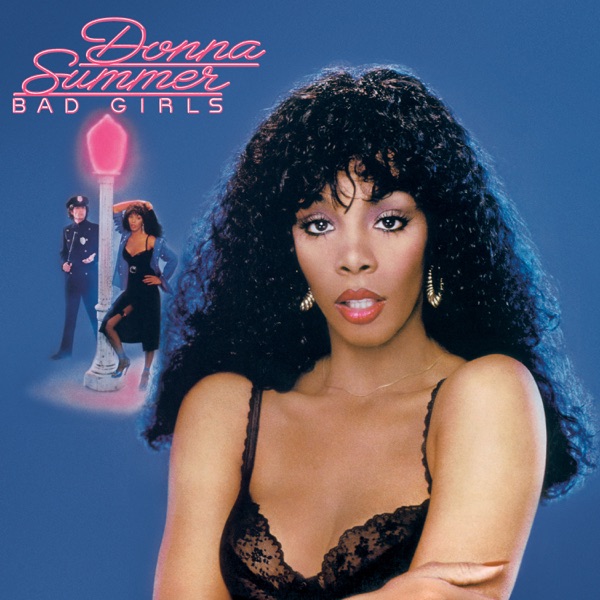
“The Queen of Disco's double album masterpiece. 'Hot Stuff' brought rock guitar to the dance floor. Giorgio Moroder's production at its most cinematic. Disco was never dead — it just went underground.”
Donna Summer, born LaDonna Adrian Gaines in 1948, became the 'Queen of Disco' and one of the most influential pop vocalists of the 1970s and 1980s. Her breakthrough came in 1975 with the Giorgio Moroder-produced 'Love to Love You Baby,' which established her signature sound of sultry vocals layered over lush electronic production. Summer's career peaked during the disco era with landmark albums like 'A Love Trilogy' (1976) and 'Bad Girls' (1979), the latter showcasing her versatility across dance, funk, and pop styles. She successfully transitioned beyond disco's decline, achieving continued success with 'The Wanderer' (1980) and 'Donna Summer' (1982), demonstrating her ability to adapt to changing musical trends while maintaining her distinctive vocal presence. Her influence extended beyond music into defining an era of production aesthetics that remain highly collectible.
Style
Donna Summer's style blended disco, funk, soul, and electronic pop with sophisticated production arrangements. Her signature breathy, sensual vocal delivery over synthesizer-driven arrangements created the template for modern dance music and defined the sonic character of 1970s-80s disco and post-disco production.
Significance
Summer's albums are essential vinyl collectibles for disco and electronic music enthusiasts, representing the genre's peak commercial and artistic achievement. Her collaborations with producer Giorgio Moroder revolutionized pop music production and established vinyl records as the primary format for dance music, making her discography foundational to serious record collecting.
Bad Girls, released in 1979, marked Donna Summer's continued evolution as a disco and dance music innovator. The album was recorded during a prolific period when Summer was working with her established production team, including Giorgio Moroder and Pete Bellotte, who had shaped her previous successes. The title track became one of Summer's signature songs, featuring a distinctive police whistle hook and a driving beat that blended disco with funk influences. The album showcased Summer's versatility, mixing uptempo dance floor fillers with more soulful, introspective ballads. Recording took place across multiple sessions, capturing Summer at the height of her commercial and creative powers as disco was beginning to shift toward new wave and post-disco sounds.
Historical Context
Bad Girls arrived during disco's commercial peak but also at the moment when the genre faced increasing cultural backlash. Released in April 1979, the album benefited from summer radio play and became a massive commercial success, reaching number one on the Billboard 200 and spawning the hit singles "Bad Girls" and "Hot Stuff." The album reflected broader trends in late-70s music where dance music was becoming more sophisticated and crossover-oriented. Summer's success demonstrated that disco and dance music could appeal to mainstream audiences beyond traditional club circuits, influencing the direction of pop music as the decade transitioned into the 1980s.
Pressing Notes
Bad Girls was released on Casablanca Records, which issued multiple pressings on vinyl. Original 1979 pressings featured dynamic, warm sound quality typical of late-70s disco productions. The album has been reissued several times on vinyl, including deluxe reissues in the 2000s and 2010s. Collectors should note that original first pressings from 1979 are highly sought after, particularly those in excellent condition with minimal surface noise. Later reissues sometimes feature remastered audio that can vary in warmth and presence compared to original pressings. The gatefold artwork and inner sleeve information vary between pressings, making the original release appealing to collectors interested in period-accurate presentation.
Own this record? Track it in your collection.