#278 of 500
· Rolling Stone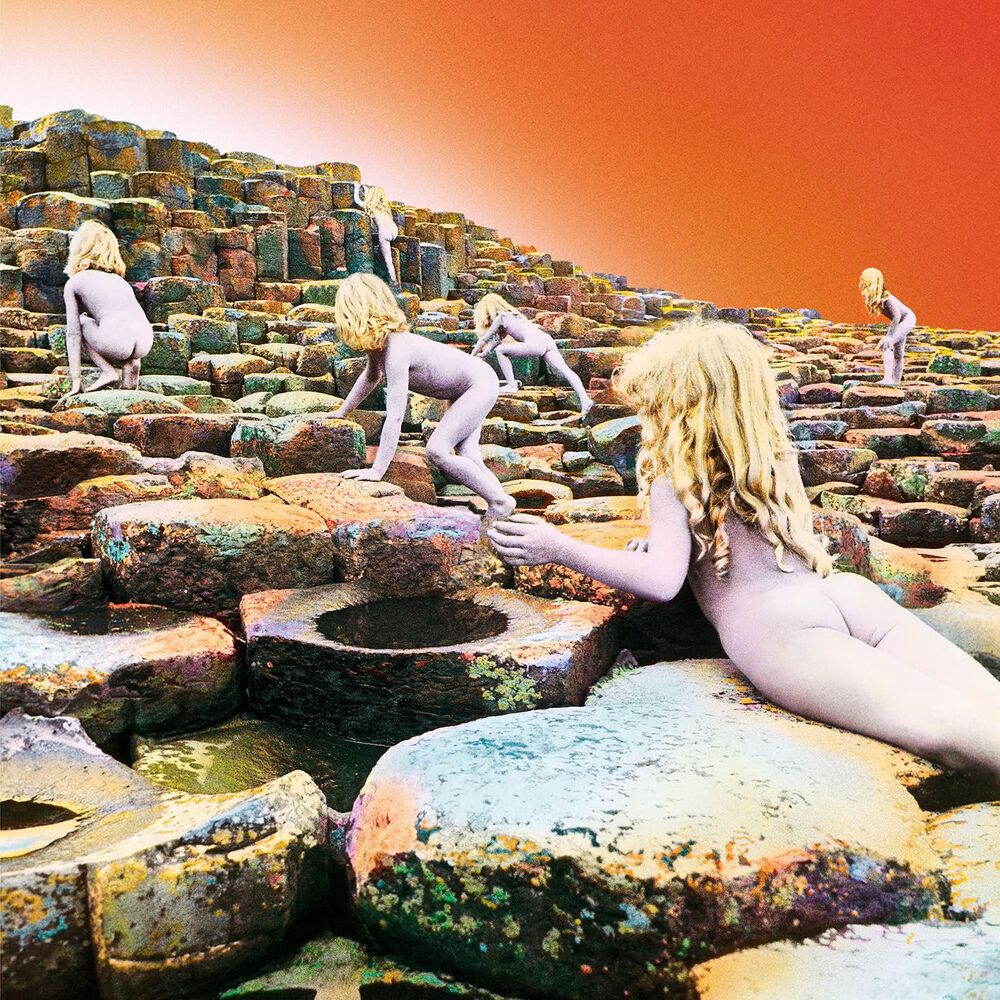
“Houses of the Holy by Led Zeppelin (1973) sits at #278 and earns every bit of it. This is the part of the list where the real crate-digging starts. The original pressing is built for vinyl playback — the kind of album that sounds better on wax.”
Led Zeppelin was formed in 1968 by guitarist Jimmy Page, vocalist Robert Plant, bassist John Paul Jones, and drummer John Bonham. The British rock band revolutionized popular music by blending blues, rock, folk, and world music influences into a powerful, innovative sound. Their self-titled debut album in 1969 established them as major forces in rock music, featuring the iconic track "Whole Lotta Love." Throughout the 1970s, they released a series of landmark albums including Led Zeppelin II (1969), Led Zeppelin IV (1971), and Houses of the Holy (1973), which showcased increasingly sophisticated songwriting and production. The band disbanded in 1980 following John Bonham's death, but their influence remained immense. Their catalog spans hard rock epics, acoustic blues arrangements, mystical folk songs, and experimental soundscapes that continue to define rock music.
Style
Led Zeppelin pioneered heavy rock and hard rock, combining blues foundations with folk, Celtic, Eastern, and world music elements. Their sound is characterized by powerful, layered production, dynamic range from intimate acoustic passages to thunderous electric arrangements, and Plant's distinctive wailing vocals paired with Page's inventive guitar work.
Significance
Led Zeppelin's albums are cornerstone recordings for vinyl collectors, prized for their sonic depth, innovative production techniques, and enduring influence on rock music. Their vinyl releases, particularly the early albums and the reissues, are highly sought after for their superior sound quality and remain essential reference points for understanding modern rock music.
Houses of the Holy was recorded across multiple sessions between 1970 and 1972 at various studios including Rolling Stones Mobile Studio, Island Studios in Jamaica, and Electric Lady Studios in New York. The album marked a significant creative evolution for Led Zeppelin, with the band experimenting with diverse musical styles and guest musicians. Producer Jimmy Page collaborated with the band to craft arrangements that incorporated funk grooves, reggae influences, and orchestral elements rarely heard in their previous work. Notable contributions came from session musicians including organist John Paul Jones' arrangements and percussionist Viram Jasani on several tracks. The album was initially meant to be self-titled, continuing their tradition of untitled albums, but was ultimately titled after a biblical reference that fascinated Page.
Historical Context
Released in March 1973, Houses of the Holy arrived during the peak of Led Zeppelin's commercial dominance and at a turning point in rock music. The album debuted at number one on the Billboard 200 and remained there for 15 weeks, eventually becoming one of their best-selling records. Critically, it received mixed reviews—some praised the band's willingness to experiment beyond heavy rock, while others felt the diversity made it less cohesive than previous efforts. The album reflected the early 1970s shift toward progressive rock and funk influences, and helped establish Led Zeppelin's reputation as innovators unafraid to push boundaries.
Pressing Notes
The original 1973 Atlantic Records pressing (SD 19130) featured a laminated gatefold cover with the controversial Peter Max-inspired artwork by Hipgnosis. Early pressings are highly sought by collectors, particularly those with the original 'burbank' matrix information and untouched cover art. The album has been reissued multiple times, including a 1997 remaster and a 2014 deluxe edition. Vinyl copies vary in sound quality; early pressings generally command higher prices, with condition being critical. Collectors should note that the album's sound can vary significantly between pressings, making it worthwhile to research specific matrix numbers for quality examples.

Own this record? Track it in your collection.