#268 of 500
· Rolling Stone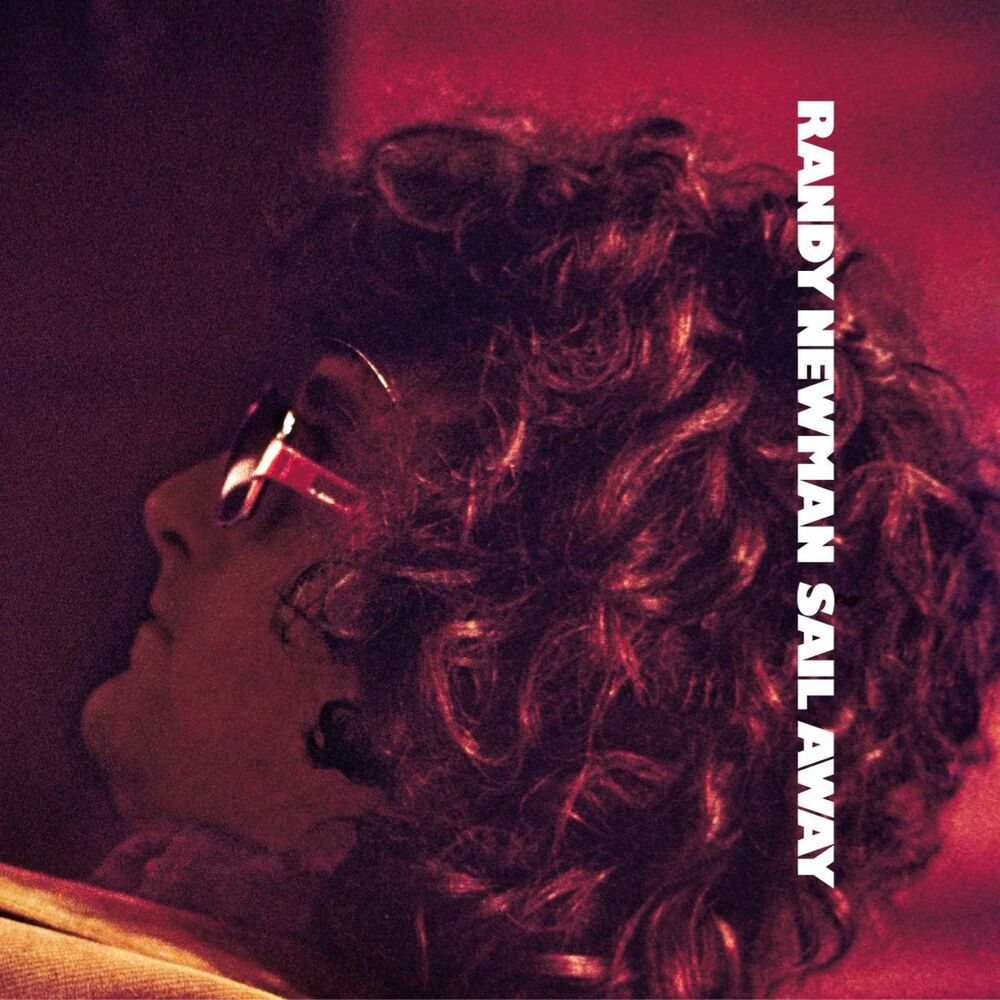
“At #268, Sail Away represents Randy Newman at a creative peak (1972). The original pressing captures a moment in pop that's been influential ever since. Worth hunting in the bins.”
Randy Newman is an acclaimed singer-songwriter and composer born in 1943 in Los Angeles, who emerged from a musical family with deep roots in film scoring. He released his self-titled debut album in 1968 and quickly established himself as a distinctive voice through albums like 'Sail Away' (1972) and 'Good Old Boys' (1974), which showcased his satirical wit and sophisticated arrangements. Newman's career spans five decades, during which he has achieved recognition both as a recording artist and as a prolific film composer, winning multiple Academy Awards for his work on animated films. His influence extends across popular music, and his catalog remains a cornerstone of intelligent rock and pop collecting.
Style
Randy Newman creates sophisticated pop and rock music characterized by complex orchestral arrangements, piano-driven compositions, and satirical, often darkly humorous lyrics. His style blends elements of 1930s-40s popular music with contemporary sensibilities, featuring his distinctive vocals and intricate string arrangements.
Significance
Newman is essential to vinyl collectors interested in intelligent, compositionally complex pop music and remains influential among musicians seeking to balance commercial appeal with artistic integrity. His albums, particularly 'Sail Away' and 'Good Old Boys,' are considered landmark recordings in American popular music and exemplify the art of the concept album.
Sail Away, released in 1972, showcased Randy Newman's distinctive songwriting style at a creative peak. Newman, already respected for his sophisticated compositions and cynical wit, recorded the album with producer Van Dyke Parks, who had previously worked with him on earlier projects. The album features Newman's piano-driven arrangements alongside lush orchestration, with a band that included top session musicians of the era. Newman's lyrics throughout the album demonstrate his trademark sardonic humor and social commentary, examining American culture and hypocrisy through memorable melodic hooks. Notable tracks like the title song 'Sail Away' and 'Political Science' became fan favorites, showcasing Newman's ability to wrap darkly satirical observations in surprisingly catchy pop arrangements.
Historical Context
Sail Away arrived during a transitional period in American popular music, as the early 1970s saw increased interest in singer-songwriter material and concept albums. Newman's work was critically acclaimed but commercially niche, appealing to musicians and discerning listeners rather than mainstream radio audiences. The album's satirical take on American ideals resonated during the Vietnam War era and Watergate period, when social and political criticism were increasingly present in rock music. While not a commercial blockbuster upon release, the album has been reassessed as a classic, influencing subsequent generations of artists interested in witty, orchestral pop music.
Pressing Notes
Sail Away was released on Reprise Records and has appeared in multiple vinyl pressings over the decades. Original 1972 pressings feature the classic Reprise label design and typically command moderate collector interest. The album has been reissued several times, including audiophile pressings that appeal to listeners seeking improved sound quality. Collectors should examine matrix numbers and label variations to identify original pressings versus later reissues. Condition of original copies is important as the orchestral arrangements benefit from clean vinyl playback. The album is not particularly scarce, making it accessible for collectors interested in Newman's catalog without extreme expense.

Nilsson Schmilsson
Harry Nilsson
Features the same blend of quirky pop sensibility, intricate orchestration, and clever songwriting that defines Newman's approach to the format.

Aja
Steely Dan
Matches Newman's sophisticated pop production, jazz-influenced instrumentation, and urbane lyrical perspective on contemporary American themes.
Own this record? Track it in your collection.