#263 of 500
· Rolling Stone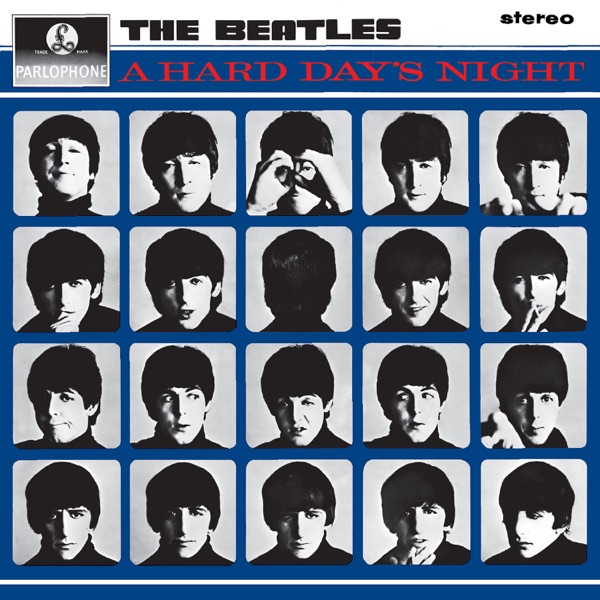
“This is the part of the list where the real crate-digging starts. The Beatles brought everything to Hard Day's Night (1964) — the kind of record that reminds you why you started collecting vinyl in the first place. The original pressing does it justice.”
The Beatles, formed in Liverpool in 1960, revolutionized popular music and became the most influential band of the 20th century. The core lineup of John Lennon, Paul McCartney, George Harrison, and Ringo Starr released thirteen studio albums between 1963 and 1970, each marking significant artistic evolution. From their early pop sensibilities on 'Please Please Me' and 'A Hard Day's Night,' they progressed through the sophisticated pop of 'Rubber Soul' and 'Revolver,' to the landmark concept album 'Sgt. Pepper's Lonely Hearts Club Band' (1967), and finally the experimental work of 'The White Album' and 'Abbey Road' (1969). Their final album, 'Let It Be' (1970), was released after their breakup, documenting the band's creative dissolution.
Style
The Beatles' sound evolved from energetic British Invasion rock and roll to pioneering psychedelic rock, avant-garde experimentation, and sophisticated pop songwriting. Their work incorporated diverse influences including rock and roll, R&B, folk, Indian classical music, and electronic experimentation.
Significance
The Beatles are arguably the most collectible artists in vinyl history, with original pressings and first editions commanding significant value among collectors. Their albums represent essential recordings that defined modern record production techniques and remain benchmark examples of album-oriented artistry and sonic innovation.
A Hard Day's Night was recorded in a concentrated burst between January and May 1964, capturing The Beatles at the height of early Beatlemania. The album served as the soundtrack to their first feature film of the same name, directed by Richard Lester. John Lennon and Paul McCartney composed most of the material specifically for the project, with George Harrison contributing only one song, "I Should Have Known Better." The recording sessions were notably efficient, with the band completing most tracks in just a few takes. Producer George Martin orchestrated innovative arrangements, including the now-iconic opening guitar riff performed on a twelve-string Rickenbacker by Harrison, which defined the album's sonic character. The album showcased the band's growing sophistication in the studio while maintaining their infectious energy and charm.
Historical Context
Released in July 1964, A Hard Day's Night arrived at the peak of Beatlemania in both North America and Europe. The album's release coincided with the film's premiere, creating a cultural phenomenon that dominated popular music and entertainment. It became the fastest-selling album of the era, breaking sales records in multiple countries. Critically, the album was praised for demonstrating The Beatles' songwriting prowess beyond their early covers and novelty records. The soundtrack album format was still relatively uncommon for rock bands, making this a pioneering move that influenced how artists would approach film projects. The album's success solidified The Beatles' status as not just performers but serious recording artists.
Pressing Notes
Original 1964 UK Parlophone pressings (PMC 1230 for mono, PCS 3058 for stereo) are highly sought after by collectors, with early pressings featuring the 'XEX' matrix numbers. US Capitol pressings differ significantly in track selection and running order compared to UK releases—the American version included different songs and shorter running time due to label editorial decisions. Various reissues exist across the formats: the 1987 CD remaster, the 2009 stereo remaster, and the 2015 HD stereo remaster. Vinyl collectors should note that original UK mono pressings are generally preferred for sound quality and historical authenticity, though early stereo pressings have also gained collector interest. Counterfeit pressings are common in the market, particularly of the original Parlophone editions.
Own this record? Track it in your collection.