#259 of 500
· Rolling Stone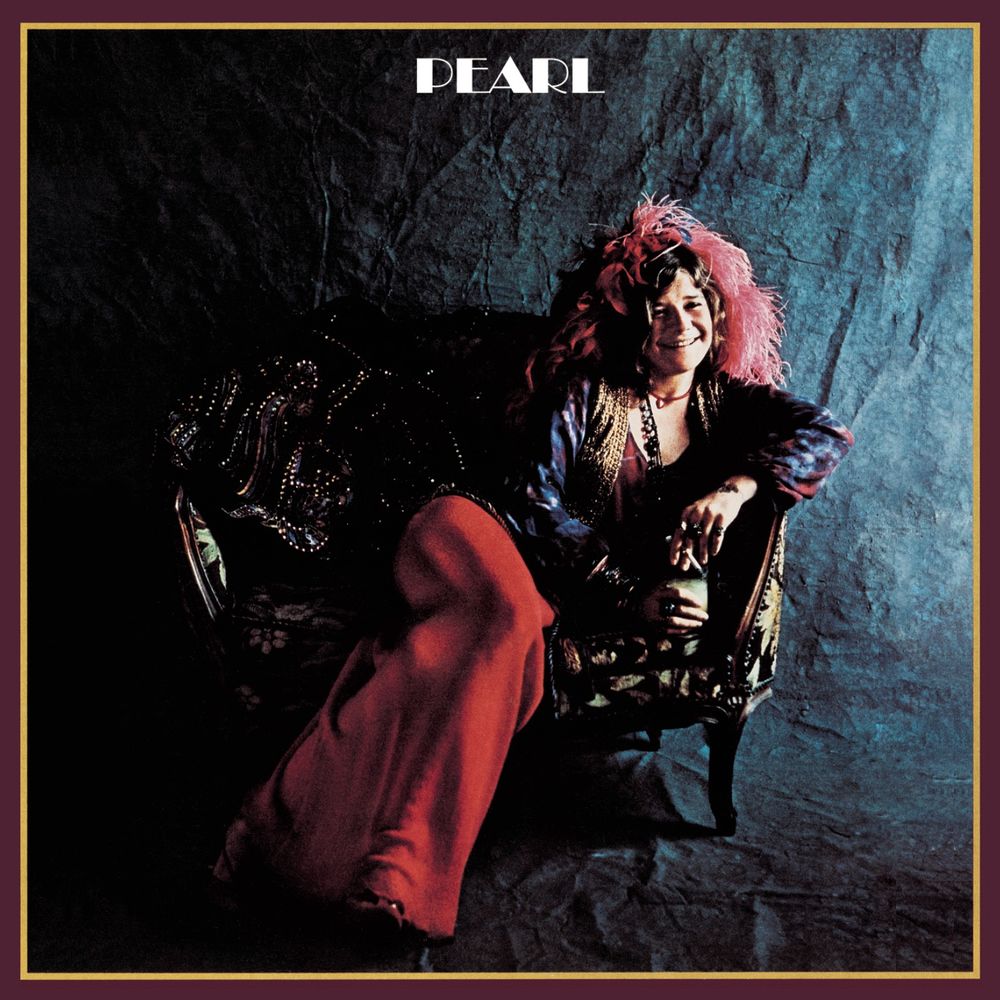
“This is the part of the list where the real crate-digging starts. Janis Joplin's Pearl (1971) is rock that transcends its genre tag. The original pressing is the one to find — the kind of record that stops you mid-flip at the store.”
Janis Joplin (1943-1970) emerged from the San Francisco psychedelic scene of the mid-1960s to become one of rock music's most powerful and influential vocalists. She first gained prominence as the lead singer of Big Brother and the Holding Company, delivering a show-stealing performance at the 1967 Monterey Pop Festival that catapulted her to stardom. Her debut album 'Cheap Thrills' (1968) became a massive commercial success, reaching number one and spawning the hit 'Piece of My Heart.' Joplin subsequently pursued a solo career, releasing 'I Got Dem Ol' Kozmic Blues Again Mama!' (1969) and the posthumously released 'Pearl' (1971), which featured the iconic ballad 'Me and Bobby McGee.' Her career was cut short by her death from a heroin overdose at age 27, but her raw emotional intensity and blues-influenced rock style left an indelible mark on popular music.
Style
Joplin blended blues, soul, and rock with an uninhibited, powerful contralto voice that conveyed deep emotional vulnerability and raw energy. Her performance style was characterized by improvisational intensity, psychedelic rock arrangements, and a deeply personal interpretation of American blues traditions.
Significance
Joplin remains a vinyl collecting essential as a pioneering female rock performer who challenged gender conventions and brought blues authenticity to mainstream rock. Her albums, particularly 'Cheap Thrills' and 'Pearl,' are highly sought-after collector's items that defined the late 1960s counterculture sound.
Pearl, Janis Joplin's final studio album, was recorded in Los Angeles between March and September 1970 with producer Paul A. Rothchild, who had previously worked with The Doors. The sessions captured Joplin in a reflective yet powerful creative phase, blending blues, soul, and rock influences. The album featured her full-piece backup band Full Tilt Boogie, and Joplin recorded vocals for most tracks before her death in October 1970. The standout track, "Me and Bobby McGee," co-written by Kris Kristofferson, would become her only number-one hit on the Billboard Hot 100, achieving chart success posthumously. The album was completed and released in January 1971, with all vocals already in place, making it a haunting document of her artistry at its commercial and creative peak.
Historical Context
Pearl arrived during a transitional moment in rock and soul music, following the late-1960s psychedelic era. Joplin's death in October 1970 meant the album's release was overshadowed by tragedy, yet it resonated deeply with audiences seeking authentic emotion in rock music. The album's success—reaching number one on the Billboard 200—reflected both public sympathy and genuine appreciation for Joplin's evolved artistry. Rock radio embraced "Me and Bobby McGee" widely, introducing Joplin to mainstream audiences who might have dismissed her earlier work as too radical or blues-oriented.
Pressing Notes
Pearl was originally issued by Columbia Records on standard black vinyl in 1971. Early pressings feature the original gatefold jacket with iconic photographs. The album has been reissued multiple times, including audiophile versions by Mobile Fidelity Sound Lab in the 1980s-90s. Collectors should note that original Columbia pressings vary in pressing plant details; look for deadwax information to identify Terre Haute or other plant origins. The album has also been remastered for CD and digital, but original vinyl pressings remain highly sought after. Condition is important given the album's age; well-preserved copies command premium prices among serious collectors.
Own this record? Track it in your collection.