#256 of 500
· Rolling Stone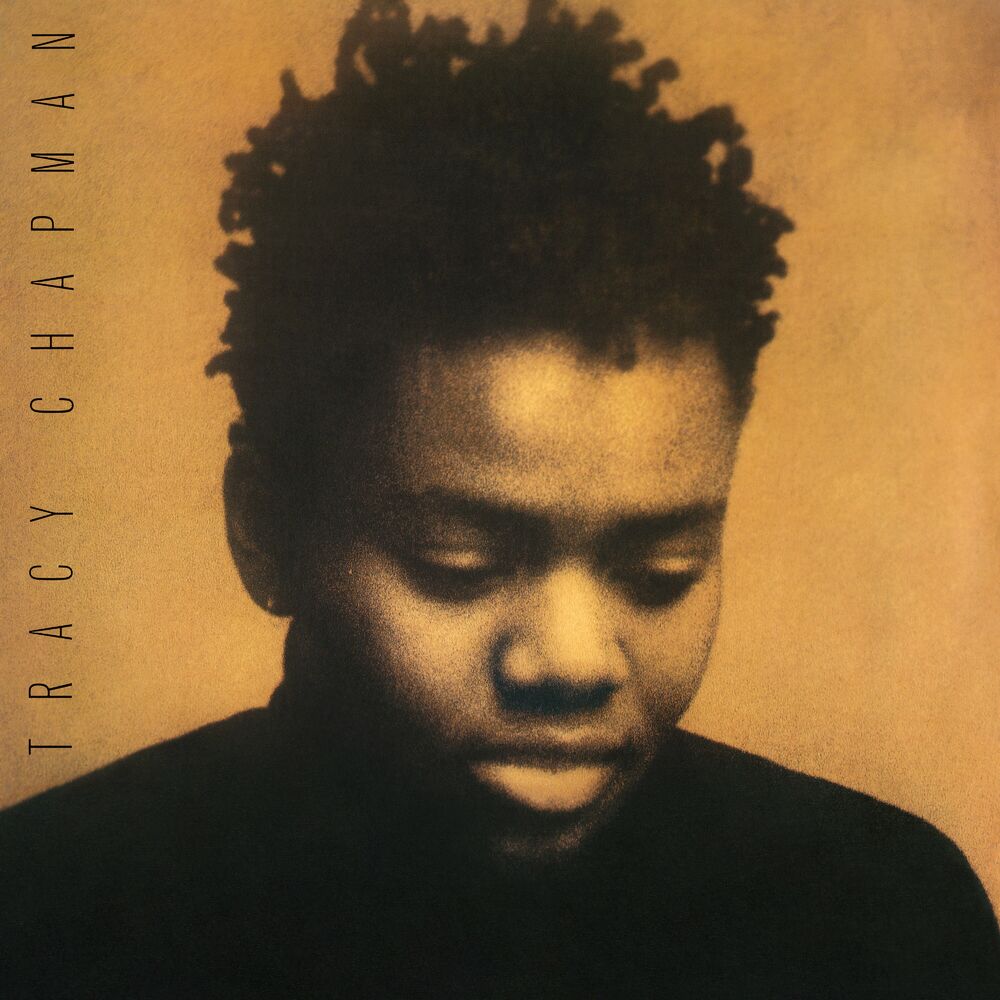
“This is the part of the list where the real crate-digging starts. Tracy Chapman is Tracy Chapman's statement piece (1988) — locked in from the first groove. The Elektra pressing does justice to a record that defined its corner of folk.”
Tracy Chapman emerged in 1988 with her self-titled debut album, which became a landmark release in folk-pop music. The album's lead single, 'Fast Car,' became an iconic anthem and established Chapman as a socially conscious songwriter addressing themes of poverty, inequality, and personal struggle. Her distinctive fingerpicking guitar style and powerful alto voice set her apart in the late 1980s music landscape. Chapman's second album, 'Crossroads' (1989), further solidified her critical acclaim and commercial success. Throughout her career, she has maintained her commitment to socially relevant songwriting while exploring folk, rock, and world music influences. Her albums, particularly her debut and 'New Beginning' (1994), remain highly sought-after vinyl editions among collectors.
Style
Chapman's music blends folk-pop with rock and world music influences, characterized by intricate acoustic guitar work, introspective lyrics, and her distinctive warm, expressive vocals. Her style draws from traditional folk songwriting while addressing contemporary social issues.
Significance
Tracy Chapman's vinyl records are significant to collectors as documents of 1980s-90s folk-pop and socially conscious music. Her debut album in particular is a cornerstone release that helped revive interest in acoustic-based singer-songwriter music during the MTV era.
Tracy Chapman's self-titled debut album was recorded in 1987 and produced primarily by David Friedmann and Tom Lord-Alge. Chapman, a Boston-born singer-songwriter who had busked and performed in clubs, brought a raw, socially conscious perspective to her music. The album features her distinctive acoustic guitar playing and distinctive alto voice across ten tracks that blend folk, reggae, and pop influences. Chapman collaborated with various session musicians to create arrangements that ranged from sparse, intimate settings to fuller productions. The recording process captured her poetic observations about social inequality, poverty, and personal relationships with a directness that felt refreshing in the late-1980s pop landscape.
Historical Context
Released in April 1988, Tracy Chapman arrived during a period of MTV dominance and synthesizer-driven pop, making her acoustic, socially aware approach stand out sharply. The album was a commercial and critical phenomenon, powered largely by the music video for "Fast Car," which received heavy MTV rotation and introduced Chapman to mainstream audiences. The album spent months on the charts and sold millions of copies, establishing Chapman as a significant new voice in popular music. Her success opened doors for other acoustic-based and socially conscious artists and demonstrated continued audience hunger for authentic, message-driven music beyond the prevailing synth-pop and hair metal trends.
Pressing Notes
The original LP was released by Elektra Records on both vinyl and cassette, with the vinyl version typically coming in a gatefold sleeve featuring Chapman's iconic portrait. Early pressings are highly collectible; original 1988 pressings with inner sleeves and lyric inserts are sought after by collectors. The album has been reissued multiple times on vinyl, including 180-gram audiophile pressings and various remaster editions released in subsequent decades. Collectors should note that original Elektra pressings tend to have superior sound quality compared to later reissues. The album remains in print on vinyl and is relatively easy to find, though early first pressings command higher prices on the secondary market.

Graceland
Paul Simon
Demonstrates how folk artists can incorporate diverse musical influences while maintaining lyrical depth and acoustic-based arrangements.

Blue
Joni Mitchell
A foundational folk album with intimate vocal delivery and masterful guitar work that influenced a generation of singer-songwriters like Chapman.
Also Appears On
Own this record? Track it in your collection.