#23 of 500
· Rolling Stone
The Velvet Underground and Nico
The Velvet Underground
Year
1967
Genre
RockLabel
Verve
Format
Vinyl LP
“Famously sold 30,000 copies and every buyer started a band. The original Verve pressing with the peelable banana is one of the most valuable records in existence. Lou Reed and John Cale invented art rock, noise pop, and indie in one shot.”
The Velvet Underground, formed in 1964 in New York City by Lou Reed, John Cale, Sterling Morrison, and Maureen Tucker, became one of the most influential avant-garde rock bands despite minimal commercial success during their initial run. Led by Reed's songwriting and Cale's innovative production techniques, the band released four studio albums between 1967 and 1970 before disbanding. Their 1967 debut, produced by Andy Warhol, introduced their controversial blend of experimental rock, featuring feedback, dissonant strings, and lyrics addressing taboo subjects. Subsequent albums refined their sound while maintaining artistic integrity, with 1969's 'The Velvet Underground' (the third album) showcasing a more accessible, guitar-driven approach. Though they broke up in 1970, various reunions and live performances occurred, particularly in the 1990s.
Style
The Velvet Underground pioneered experimental rock and art rock, characterized by distorted guitars, unconventional song structures, droning viola, and Lou Reed's deadpan vocal delivery. Their sound merged avant-garde classical elements with rock, creating a sophisticated yet raw aesthetic that rejected mainstream pop conventions.
Significance
The Velvet Underground's influence on subsequent rock, punk, and alternative music is immeasurable, making their original vinyl releases—particularly the first album with Warhol's iconic banana cover—essential collectibles. For vinyl enthusiasts, their records represent a crucial bridge between classical avant-garde and rock music, with their original pressings highly sought after for both historical importance and sound quality.
The Velvet Underground and Nico emerged from the New York underground scene in 1966, produced by Andy Warhol and engineer Tom Wilson. Recorded at Scepter Studios in New York, the album captured the band's raw, minimalist sound with minimal overdubs or studio polish. Lou Reed's detached vocals and Sterling Morrison's angular guitar work defined the aesthetic, while John Cale's viola and organ provided experimental textures. Nico, a German-American singer Warhol had brought into the fold, contributed her distinctive contralto voice to four tracks. The album was recorded relatively quickly and inexpensively, reflecting both the band's DIY ethos and Warhol's interest in the group as artistic subjects rather than conventional rock stars.
Historical Context
Released in March 1966, the album arrived during a period when rock music was becoming more adventurous, though it was radically different from the psychedelia and folk-rock dominating charts. Initial commercial performance was modest—the album struggled for attention and sold poorly in its first years. Critics largely dismissed or ignored it, as its themes of drug use, sexual transgression, and urban alienation were considered unmarketable. However, the album gradually became recognized as hugely influential, with numerous musicians citing it as a crucial inspiration. By the late 1960s and beyond, it was reassessed as a landmark of experimental rock, fundamentally shaping post-punk, punk, and alternative rock aesthetics.
Pressing Notes
The original Verve Records release featured a distinctive Warhol banana peel cover with a peel-away element on some copies. Early pressings are highly collectible, particularly first pressings on the Verve label with the original gatefold design. Reissues have been numerous over decades through various labels including MGM and Polydor. Collectors should note that vinyl condition significantly affects value for originals. Stereo pressings typically command higher prices than mono versions. Many reissues exist, including 180-gram audiophile versions from labels like Analogue Productions and Classic Records, though originals remain most sought-after by serious collectors.

Transformer
Lou Reed
Lou Reed's solo masterpiece continues the experimental rock and lyrical sophistication established on VU&Nico with a more accessible glam rock production.
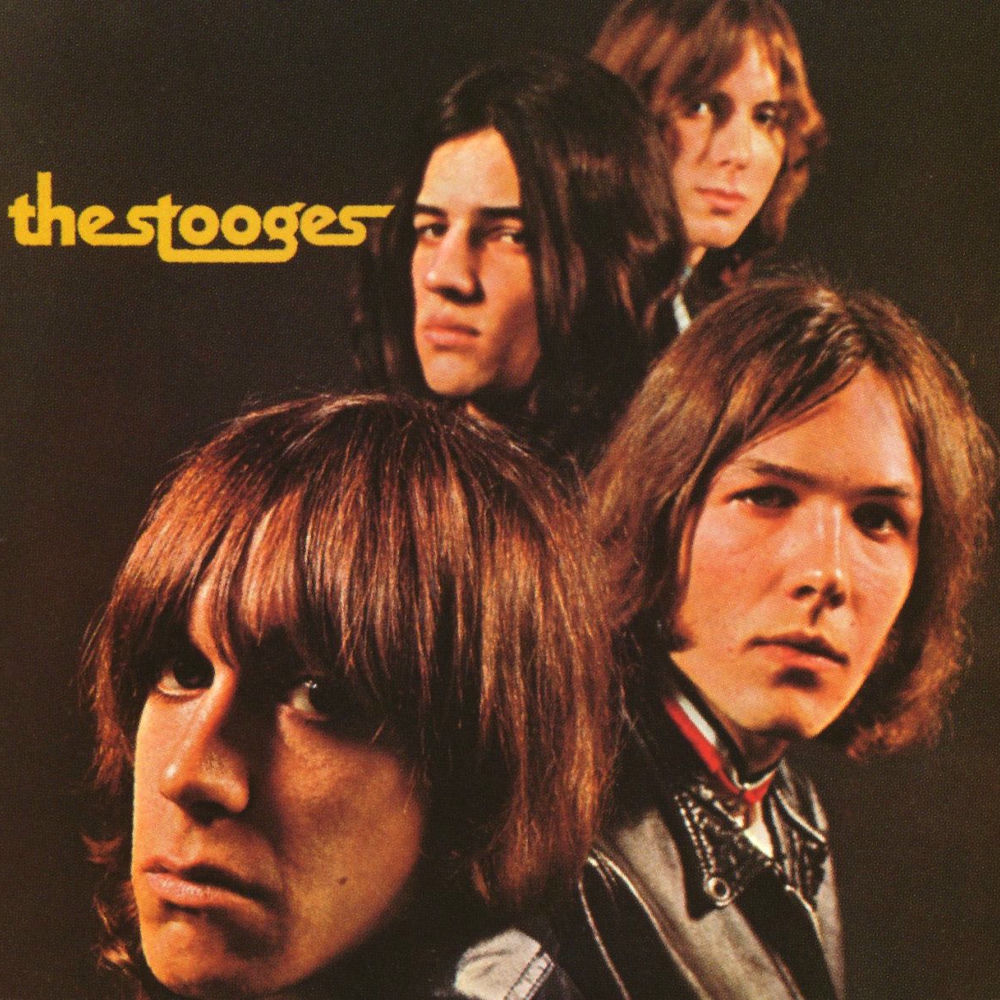
The Stooges
The Stooges
Raw, proto-punk energy with similar artistic fearlessness and gritty aesthetics that influenced the same underground rock movement as The Velvet Underground.
Own this record? Track it in your collection.