#220 of 500
· Rolling Stone
“This is the part of the list where the real crate-digging starts. Stills, Nash, and Young, Déjà Vu is Crosby's statement piece (1970) — locked in from the first groove. The original pressing does justice to a record that defined its corner of rock.”
Crosby could refer to several artists, but most notably Bing Crosby (1903-1977), one of the most influential entertainers of the 20th century. A pioneering crooner, Bing revolutionized popular music in the 1930s-1950s with his smooth baritone and innovative microphone technique, which allowed for a more intimate vocal style. He recorded prolifically across multiple decades, achieving massive success in both recordings and film. His catalog includes jazz standards, popular songs, and holiday classics, with iconic albums like 'Bing: A Musical Autobiography' and numerous collaborations with orchestras and jazz musicians. Bing's influence extended across all formats, and his vinyl records remain among the most collected in popular music history.
Style
Bing Crosby's style bridged jazz, pop, and standards, characterized by his relaxed, conversational baritone delivery and impeccable phrasing. His approach emphasized emotional restraint and sophisticated arrangements, setting the template for the modern popular singer.
Significance
Bing Crosby is essential to vinyl collectors, having been a best-selling recording artist throughout the LP era. His extensive discography offers diverse entry points for collectors, from reissues of original 78s to acclaimed orchestral recordings and jazz sessions, making him foundational to understanding vocal music on vinyl.
Déjà Vu was recorded during a pivotal moment for Crosby, Stills, Nash & Young, capturing the group at their creative peak despite mounting internal tensions. Recorded primarily at The Record Plant in Los Angeles between March and August 1970, the album featured the expanded four-piece lineup of the original trio plus Neil Young. The sessions were marked by collaborative songwriting and ambitious arrangements, with each member contributing significant material. Young's contributions, including the iconic "Helplessly Hoping" (co-written with Crosby and Nash) and his own compositions, brought a harder rock edge to balance the group's folk-pop sensibilities. Producer Bill Halverson and engineer Paul Andersen oversaw sessions that showcased the band's ability to blend intricate harmonies with fuller instrumentation than their debut.
Historical Context
Released in March 1970, Déjà Vu arrived during the peak of the singer-songwriter era and the folk-rock movement's maturation. The album dominated charts worldwide, spending 16 weeks at number one on the Billboard 200 and becoming one of the best-selling albums of 1970. It demonstrated that supergroups could sustain artistic credibility beyond novelty, competing successfully with The Beatles and The Rolling Stones. However, the album's success masked growing rifts within the band—personality clashes and conflicting musical visions would soon fracture the group, making this their last studio album for decades.
Pressing Notes
The original 1970 Atlantic Records pressing (SD 7200) is highly sought by collectors, with early pressings featuring the distinctive gatefold artwork. Vinyl quality varies significantly between pressings; early mono and stereo copies differ notably, with stereo pressings generally preferred. The album has been reissued multiple times, including audiophile pressings by Classic Records and more recent reissues. Collectors should seek original 1970 pressings with printed inner sleeves and ungimmicked covers. Later 180-gram reissues and digital remasters are available but lack the vintage character of original pressings, which continue commanding premium prices at auction.
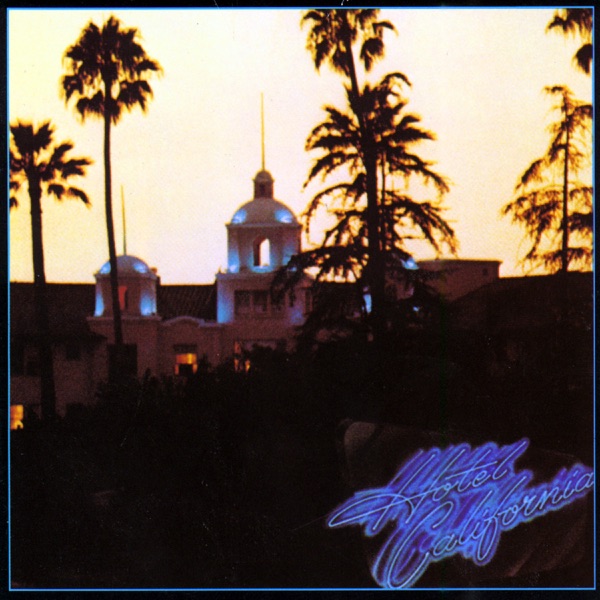
Hotel California
The Eagles
Features the same sophisticated West Coast rock sound with intricate harmonies and polished production that defined the era.

Blue
Joni Mitchell
Showcases the introspective singer-songwriter aesthetic and complex arrangements that influenced Crosby, Stills & Nash's vocal approach.

Rumours
Fleetwood Mac
Delivers lush harmonies, thoughtful songwriting, and the California rock sensibility with similarly compelling interpersonal dynamics reflected in the music.

Harvest
Neil Young
A natural complement as Neil Young's solo work shares the introspective lyrics and folk-rock instrumentation central to Déjà Vu.
Own this record? Track it in your collection.