#208 of 500
· Rolling Stone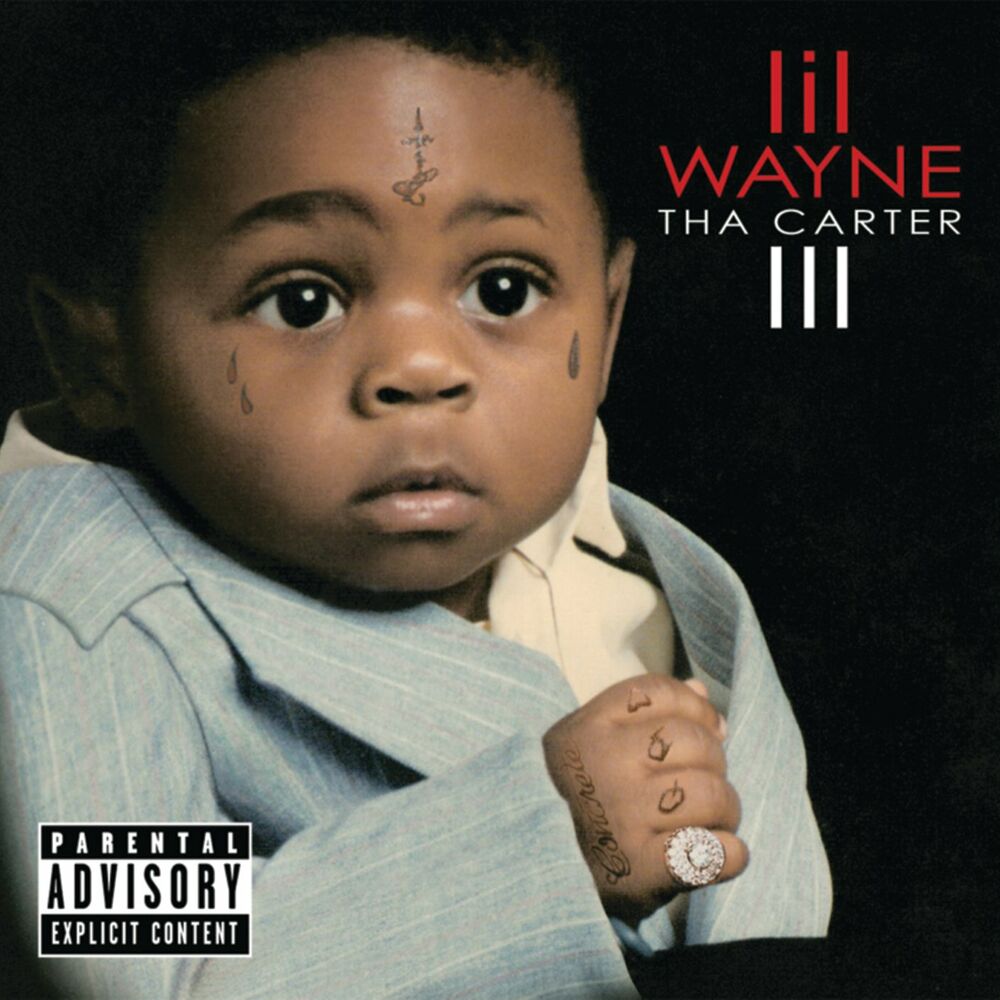
“There's a case that Tha Carter III deserves to be higher, but #208 is solid company. Lil Wayne's work here (2008) is the kind of thing that makes you play both sides twice. The original pressing is the way in.”
Lil Wayne, born Dwyane Michael Carter Jr. in 1982, emerged as one of hip-hop's most prolific and influential figures since the early 2000s. Rising through Cash Money Records, he achieved mainstream breakthrough with albums like "Tha Block Is Hot" (1999) and "500 Degreez" (2002). His creative peak came with "The Carter III" (2008), which won a Grammy and spawned massive hits like "Lollipop." Wayne's rapid-fire delivery, clever wordplay, and willingness to experiment across genres defined his style. Despite legal troubles and incarceration in 2010, he remained active, releasing numerous albums and mixtapes that showcased his enduring influence on hip-hop.
Style
Lil Wayne is a Southern hip-hop artist known for his fast, intricate flow and extensive use of clever metaphors and double entendres. His production ranges from trap and bounce influences to pop-oriented beats, making him versatile across commercial and underground sounds.
Significance
Wayne's influential role in modern hip-hop and collaborations across genres made him a defining artist of the 2000s and early 2010s. His albums, particularly "The Carter" series, represent important milestones in contemporary hip-hop vinyl collecting, with "The Carter III" being especially sought after for its commercial success and critical acclaim.
Tha Carter III, released in June 2008, marked Lil Wayne's commercial and critical peak following massive anticipation and multiple delays. Recorded over several months in 2007-2008, the album featured production from top-tier producers including Timbaland, The Neptunes, Mr. Bangladesh, and Stress. Wayne worked extensively at his New Orleans home studio and various LA facilities, crafting introspective and experimental material that showcased his technical rap abilities alongside radio-friendly hooks. The album's centerpiece, 'Lollipop' featuring Static Major, became an unexpected summer smash. Notable collaborators included Jay-Z, T-Pain, Juelz Santaña, and Kanye West, with Wayne demonstrating his ability to dominate collaborative tracks while maintaining creative control throughout the project.
Historical Context
In 2008, Lil Wayne was hip-hop's dominant figure, building on the success of Tha Carter II (2005) and his ascent as a featured artist. The album arrived during the late-2000s peak of ringtone rap and Auto-Tuned pop-rap, trends Wayne both embodied and transcended. Critics praised the album's melodic sophistication and Wayne's technical prowess, though some questioned its commercial direction. It debuted at number one on the Billboard 200 and became the best-selling album of 2008, earning widespread platinum certification. The album cemented Wayne's status as Eminem's spiritual successor in mainstream hip-hop, though it also presaged changing tastes as trap and other regional styles began challenging traditional rap's dominance.
Pressing Notes
Tha Carter III received standard LP releases through Cash Money/Universal on black vinyl, with limited quantities of colored vinyl variants in gold and other colors becoming collectible in subsequent years. Early pressings from 2008 are most sought-after by collectors. The album's popularity meant numerous repressings occurred throughout the 2010s and 2020s. Reissues have varied in quality; original 2008 pressings generally command premiums. Collectors should verify pressing plant information and condition carefully, as the album's commercial success means counterfeits exist. First edition original pressings in near-mint condition remain desirable, particularly colored variant copies.
Own this record? Track it in your collection.