#177 of 500
· Rolling Stone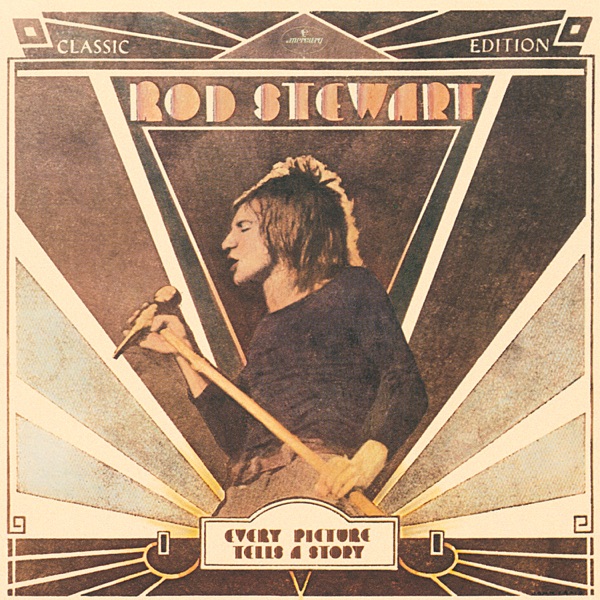
“#177 feels right for this one. Every Picture Tells a Story is a product of the 1970s, and Rod Stewart delivered something that still resonates. The original pressing rewards close listening on a good turntable.”
Rod Stewart emerged as one of rock's most distinctive vocalists in the late 1960s, initially gaining prominence as lead singer of the Faces (formerly Small Faces) before launching a hugely successful solo career in 1969. Throughout the 1970s and 1980s, he became known for his raspy, soulful voice and his ability to blend rock, soul, folk, and pop influences. His early solo albums like 'Every Picture Tells a Story' (1971) and 'Atlantic Crossing' (1975) established him as a major commercial force, while his interpretations of standards and rock classics became a signature element of his work. Beyond his rock credentials, Stewart became famous for recording Great American Songbook material later in his career, introducing classic songs to new audiences and cementing his status as a versatile entertainer.
Style
Rod Stewart's signature style combines gravelly, soulful vocals with rock, folk, blues, and soul influences, characterized by his distinctive raspy tone and emotionally charged delivery. His arrangements typically feature acoustic guitars, horns, and lush orchestration that evolved from his early raw rock sound to more polished, sophisticated productions.
Significance
As a best-selling artist with numerous platinum records, Rod Stewart's work remains highly sought by vinyl collectors, particularly his 1970s output which represents peak rock and roll artistry. His influence on rock vocalists and his success in bridging mainstream rock with American standards has made his catalog essential to serious collectors of classic rock vinyl.
Every Picture Tells a Story, released in 1971, marked Rod Stewart's commercial breakthrough as a solo artist. Recorded primarily at Mercury Records' studios in New York, the album showcased Stewart's ability to blend rock, folk, and soul influences with his distinctive raspy vocals. The recording sessions featured an impressive roster of session musicians and collaborators, including guitarists Ron Wood (who would later join the Rolling Stones) and Martin Quittenton, pianist Ian Stewart, and members of the Faces, Stewart's primary band at the time. The album's diverse sound reflected Stewart's eclectic influences, from traditional folk songs like 'Tomorrow Is a Long Time' (a Dylan cover) to soulful interpretations and rock-oriented originals. Producer Tom Dowd, known for his work with Aretha Franklin and Derek and the Dominos, helped craft the album's polished yet soulful production.
Historical Context
Released in May 1971, Every Picture Tells a Story arrived during a transformative period in rock music, when artists increasingly blended genres and explored personal storytelling. The album achieved immediate commercial success, becoming a chart-topper on both sides of the Atlantic and establishing Stewart as a major solo force independent from his work with the Faces. The early 1970s were fertile ground for this type of rock-soul fusion, with artists like Van Morrison and Leon Russell finding similar audiences. The album's success helped define the sophisticated rock sound of the era and proved that Stewart's appeal extended beyond his band work, ultimately influencing his decision to focus more heavily on his solo career.
Pressing Notes
The original 1971 Mercury Records pressing is highly sought after by collectors, particularly early UK and US releases. The album has been reissued multiple times across different formats and pressings, with notable differences in audio quality and packaging. Original gatefold sleeves often featured the iconic cover photography that gave the album its title. Collectors should be aware that later pressings and reissues may vary in sound quality depending on the mastering source used. The album has been remastered and reissued on 180-gram vinyl by Universal and other labels in recent years. Original first pressings from 1971 command premium prices, particularly if they include the original inner sleeve and promotional inserts.
Own this record? Track it in your collection.