#155 of 500
· Rolling Stone
“#155 feels right for this one. The Black Album is a product of the 2000s, and Jay-Z delivered something that still resonates. The original pressing rewards close listening on a good turntable.”
Shawn Corey Carter, known professionally as Jay-Z, emerged from Brooklyn's Marcy Houses in the early 1990s to become one of hip-hop's most influential figures. He founded Roc-A-Fella Records in 1996 and released his debut album 'Reasonable Doubt' in 1996, establishing himself with intelligent lyricism and sharp production. Throughout the 1990s and 2000s, he released a string of commercially successful and critically acclaimed albums including 'In My Lifetime, Vol. 1' (1997), 'Vol. 2... Hard Knock Life' (1998), 'The Blueprint' (2001), and 'The Black Album' (2003). His later work continued to push boundaries with 'Watch the Throne' (2011, with Kanye West) and 'Magna Carta Holy Grail' (2013), showcasing his ability to evolve while maintaining artistic credibility.
Style
Jay-Z pioneered a sophisticated East Coast hip-hop sound characterized by witty wordplay, introspective narratives, and diverse production spanning boom-bap beats to modern trap influences. His style blends street authenticity with business acumen, often addressing wealth, legacy, and social commentary.
Significance
Jay-Z is among the best-selling artists in hip-hop history, with numerous platinum-certified albums and a catalog that defined multiple eras of hip-hop on vinyl. His influence on production choices, sampling, and album conception makes his discography essential for hip-hop vinyl collectors and crucial to understanding modern rap's sonic evolution.
The Black Album, released in December 2003, marked Jay-Z's announced retirement from rap at age 33. Recorded over several months, the album featured an all-star lineup of producers including Timbaland, The Neptunes, Kanye West, and Just Blaze. Jay-Z crafted introspective and retrospective tracks that reflected on his career, legacy, and personal growth. The album's minimalist aesthetic—reflected in its stark black cover designed by Virgil Abloh—complemented the lyrical depth. Notable tracks like "99 Problems" and "Dirt Off Your Shoulder" became instant classics. The album was largely free of guest features, allowing Jay-Z's storytelling to take center stage as he examined his rise from Marcy Projects to hip-hop royalty.
Historical Context
Released in late 2003, The Black Album arrived during a period when Jay-Z had established himself as not just a rapper but a business mogul through Roc-A-Fella Records and Rocawear. The album debuted at number one on the Billboard 200 and became one of the fastest-selling hip-hop albums of its era. It was received as a mature, introspective work that contrasted with some of the commercial party rap dominating charts at the time. The album influenced hip-hop's direction toward more lyrically sophisticated, producer-driven work and solidified Jay-Z's legacy before his announced hiatus from recording.
Pressing Notes
The Black Album received multiple vinyl pressings over the years. Original 2003 pressings on Roc-A-Fella Records are highly collectible. Various reissues have been released, including expanded and anniversary editions. Collectors should note differences between early pressings and later reissues in terms of mastering and cover variations. The album's iconic all-black cover design is consistent across pressings, though some special editions featured alternative artwork or gatefold packaging. Like many major hip-hop releases from this period, original pressings command premium prices in the secondary market.

Illmatic
Nas
A seminal East Coast hip-hop album with introspective lyricism and sophisticated production that shares The Black Album's emphasis on lyrical mastery.
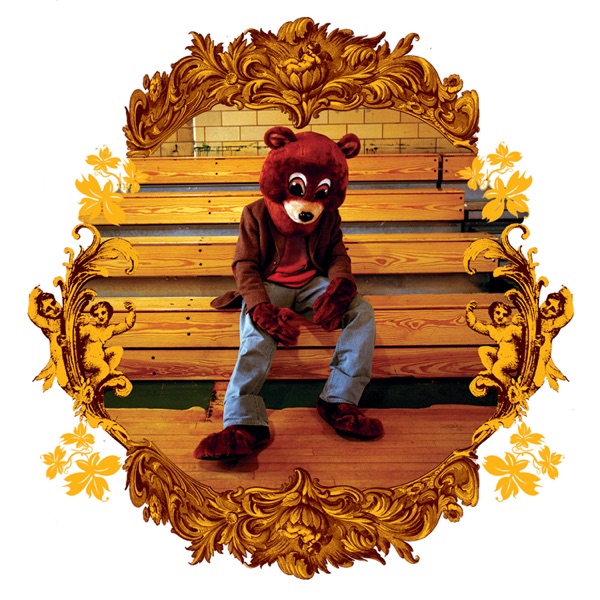
The College Dropout
Kanye West
Features similarly polished production and introspective storytelling with soulful samples, appealing to listeners who appreciate The Black Album's sonic quality.

Aquemini
OutKast
A critically acclaimed hip-hop album known for elevated production and thematic depth that complements The Black Album's artistic ambitions.
Own this record? Track it in your collection.