#150 of 500
· Rolling Stone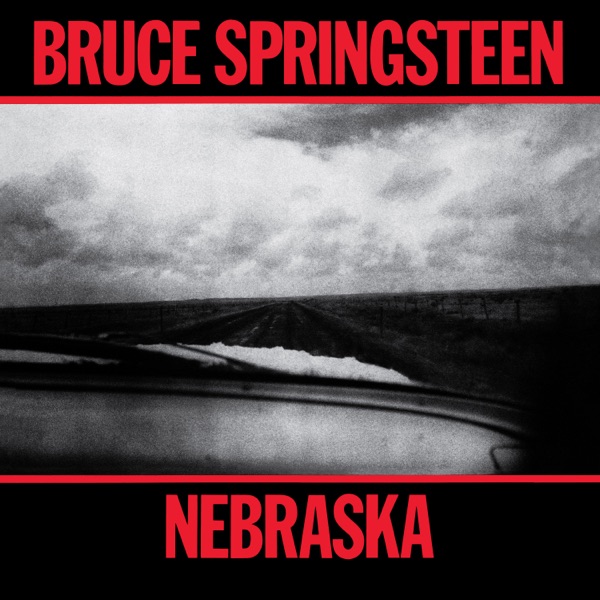
“Springsteen alone on a four-track cassette machine, and the demos became the album. Stark, haunted, devastating. 'Atlantic City' is the sound of the American dream going sideways.”
Bruce Springsteen emerged from the New Jersey rock scene in the early 1970s, becoming one of America's most iconic and enduring artists. His breakthrough came with the 1975 album "Born to Run," which established his signature blend of heartland rock, storytelling, and working-class themes. Throughout his career spanning five decades, Springsteen has released acclaimed albums including "Darkness on the Edge of Town" (1978), "The River" (1980), "Born in the U.S.A." (1984), and "The Rising" (2002). Known for his intense live performances and deeply personal songwriting, Springsteen has explored themes of American identity, personal struggle, and redemption. His influence on rock music and popular culture remains substantial, with numerous Grammy Awards and induction into the Rock and Roll Hall of Fame cementing his legacy as "The Boss."
Style
Springsteen's sound merges arena rock with folk and soul influences, characterized by anthemic choruses, detailed lyrical narratives, and the energetic interplay between his E Street Band. His music ranges from intimate acoustic ballads to driving rock anthems, always grounded in emotional authenticity and social consciousness.
Significance
Springsteen's extensive catalog represents a cornerstone of American rock music on vinyl, with many of his albums achieving classic status and remaining sought-after by collectors. His albums are known for their production quality and longevity, making them central to vinyl collections focused on rock music and 20th-century popular music history.
Nebraska was recorded in Bruce Springsteen's home studio in New Jersey during the fall of 1982, a starkly intimate affair that contrasted sharply with the massive stadium sound of The E Street Band. Springsteen used a four-track Portastudio, recording acoustic guitar, harmonica, and vocals with minimal overdubbing, creating a raw, unpolished aesthetic. The album emerged from a period of introspection following the grueling Born in the U.S.A. tour rehearsals and reflected Springsteen's desire to explore darker, more literary storytelling. Producer Chuck Plotkin initially oversaw some arrangements, but Springsteen ultimately chose to release the sparse demos as-is, believing the home recordings captured the songs' essential emotional truth. The album introduced characters like the highway patrol killer from the title track and Tom Joad's ghost, establishing Springsteen's narrative voice as something profoundly literary.
Historical Context
Released in September 1982, Nebraska arrived during a period when synthesizers and new wave dominated the charts, making Springsteen's acoustic minimalism a bold artistic gamble. Critics were divided—some hailed it as his most authentic work, while others felt alienated by the lo-fi production and bleak subject matter. The album reached number three on the Billboard 200 but didn't produce major hit singles, though "Atlantic City" and the title track became fan favorites. It fundamentally shifted perceptions of what a major rock artist could release, proving that commercial appeal wasn't necessary for artistic credibility. The album influenced subsequent singer-songwriter work and established Springsteen as an artist willing to pursue vision over commercial calculation.
Pressing Notes
The original 1982 Columbia Records vinyl pressing featured the home recordings exactly as Springsteen recorded them, presented in a stark black-and-white cover. Early pressings are generally well-regarded by collectors. A 2010 remaster by Springsteen himself was released as part of The Complete Studio Recordings box set, offering clarified audio while maintaining the original's character. The album has remained in print consistently since release, with various Japanese and European pressings available to collectors. Original copies in good condition are readily available and reasonably priced, making Nebraska accessible to new collectors despite its iconic status.

Rain Dogs
Tom Waits
Features raw, stripped-down production and introspective storytelling with a gritty, dark atmosphere similar to Nebraska's lo-fi aesthetic.

Blue
Joni Mitchell
A masterclass in intimate, confessional songwriting with minimal instrumentation that shares Nebraska's emotional vulnerability and acoustic focus.

Songs of Leonard Cohen
Leonard Cohen
Combines sparse arrangements with poetic, character-driven narratives about loss and struggle that echo Nebraska's thematic concerns.
Own this record? Track it in your collection.