#134 of 500
· Rolling Stone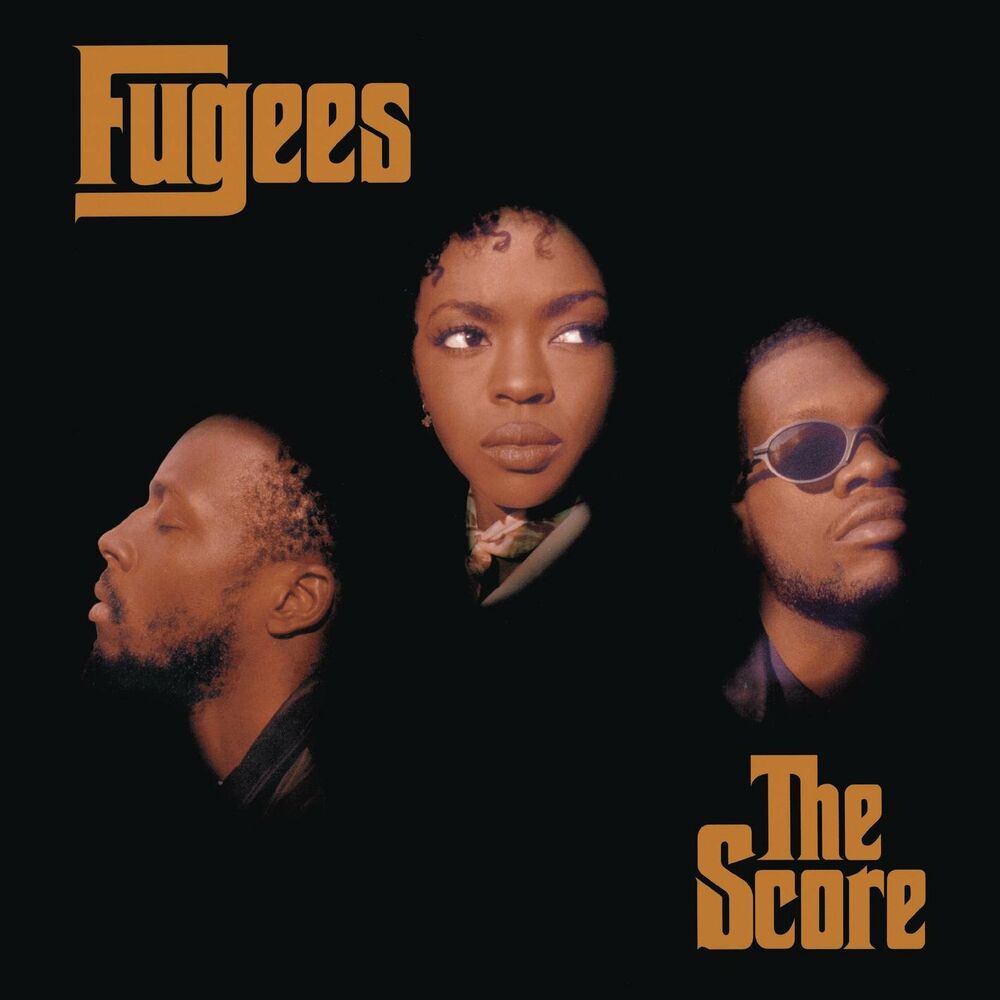
“Wyclef, Pras, and Lauryn Hill took hip-hop global. 'Killing Me Softly' and 'Ready or Not' are the crossover hits, but the deeper cuts show a crew equally at home with raw lyricism and Haitian musical traditions.”
The Fugees, a hip-hop trio from New Jersey consisting of Wyclef Jean, Pras Michel, and Lauryn Hill, emerged in the mid-1990s as one of the most innovative groups in rap music. Their 1996 debut album "Blunted on Reality" introduced their eclectic, sample-heavy production style, but it was their 1997 follow-up "The Score" that became a landmark release, achieving massive commercial success and critical acclaim. The album featured their biggest hit "Killing Me Softly," a reimagined cover that showcased Lauryn Hill's commanding presence as a vocalist and rapper. Though the group disbanded after their peak, the members pursued successful solo careers, with Lauryn Hill's "The Miseducation of Lauryn Hill" (1998) becoming one of the most celebrated albums of the era.
Style
The Fugees blended hip-hop with soul, reggae, and live instrumentation, creating a sophisticated, jazz-influenced sound that emphasized lyricism and melody over typical 1990s rap conventions. Their production featured intricate sampling, live strings, and soul vocals layered over boom-bap beats.
Significance
The Fugees were pivotal in expanding hip-hop's mainstream appeal during the 1990s, influencing the genre's direction toward more soulful, melodic approaches. Their vinyl releases, particularly "The Score," remain highly sought-after records among collectors for their production quality and cultural importance in hip-hop history.
The Score, released in February 1996, was the Fugees' second and most commercially successful album, recorded primarily at Scotti Bros. Studios in New York. The trio—Lauryn Hill, Wyclef Jean, and Pras Michel—worked with producer Jerry Wonda and other collaborators to craft a sound that blended hip-hop with soul, reggae, and world music influences. The album's breakthrough came with their rendition of "Killing Me Softly," which transformed Roberta Flack's 1973 ballad into a rap showcase, becoming a massive international hit. Wyclef Jean's innovative production and arrangement skills were crucial to the album's sonic identity, while Lauryn Hill's vocal presence elevated the project beyond typical hip-hop fare. The recording process involved extensive layering and experimentation, establishing the group's signature sound that would influence hip-hop for years to come.
Historical Context
The Score arrived during a pivotal moment when hip-hop was expanding beyond traditional boundaries. The mid-1990s saw increased crossover success, and the Fugees capitalized on this trend while maintaining artistic credibility. The album debuted at number one on the Billboard 200 and spent extended time on the charts, eventually selling over 6 million copies worldwide. It received critical acclaim for blending genres authentically and was nominated for Grammy Awards, helping legitimize hip-hop in mainstream music circles. The album's success established the group as major forces in music and set the stage for Lauryn Hill's later solo career.
Pressing Notes
The Score was pressed on vinyl by Columbia Records with various editions released globally. Early pressings are highly sought by collectors, particularly UK and European variants. The original Columbia LP featured two label designs during initial pressings. Reissues have been released over the years, including deluxe editions, but original 1990s pressings—especially audiophile-quality versions—command premium prices. Collectors should verify pressing plant information and label variations to identify first pressings. The album remains relatively available in used markets, making it accessible compared to rarer hip-hop releases from the era, though mint condition original copies are increasingly valuable.
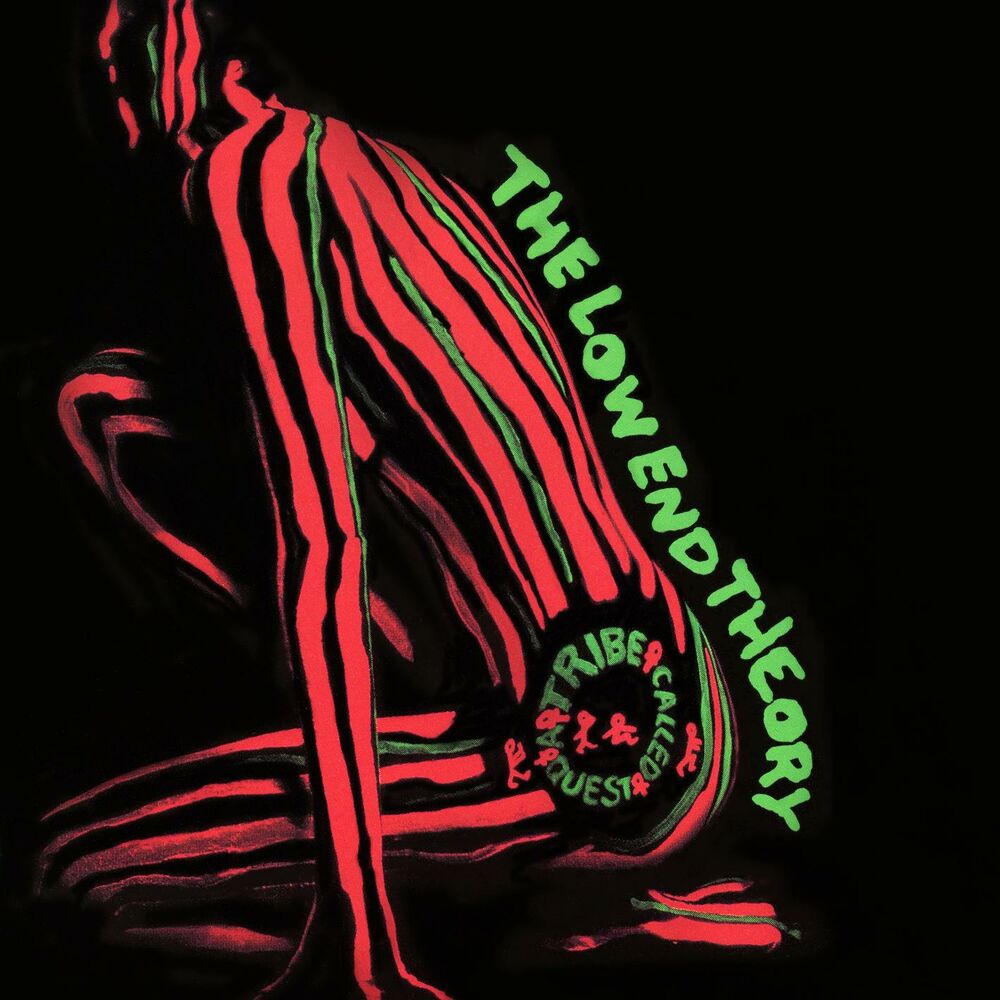
The Low End Theory
A Tribe Called Quest
Features similarly sophisticated production, poetic lyricism, and jazz-influenced beats that appeal to listeners who appreciate The Score's artistic depth.

3 Feet High and Rising
De La Soul
Shares The Score's playful yet introspective approach to hip-hop with innovative sampling, group dynamics, and eclectic production sensibilities.
Also Appears On
Own this record? Track it in your collection.