#127 of 500
· Rolling Stone
Modern Sounds in Country and Western Music
Ray Charles
Year
1962
Genre
Soul/R&BLabel
ABC-Paramount
Format
Vinyl LP
“Ray Charles singing country in 1962 was radical. 'I Can't Stop Loving You' hit number one. Genre is just a suggestion when you're this good.”
Ray Charles (1930-2004) was a pioneering musician who blended blues, jazz, gospel, and country into a distinctive sound that revolutionized popular music. Born Ray Charles Robinson in Albany, Georgia, he became blind by age seven but went on to develop one of the most influential careers in American music. His 1950s work at Atlantic Records produced classics like 'What'd I Say' (1954) and 'Georgia on My Mind' (1960), showcasing his innovative approach to rhythm and arrangement. In the 1960s, he expanded into country music with 'Modern Sounds in Country and Western Music' (1962), proving his versatility. Throughout his career, Charles won 17 Grammy Awards and became one of the first African American musicians to achieve mainstream success across multiple genres.
Style
Ray Charles synthesized soul, R&B, jazz, and gospel with a raw vocal intensity and sophisticated piano work. His style is characterized by emotional depth, complex arrangements, and genre-defying eclecticism that influenced generations of musicians.
Significance
Ray Charles fundamentally changed popular music by breaking down genre boundaries and proving that soul and artistry could transcend categorization. For vinyl collectors, his Atlantic Records catalog and later albums are essential, representing some of the finest vocal and instrumental recordings in American music history.
Ray Charles's 'Modern Sounds in Country and Western Music' (1962) emerged from the artist's genuine love for country music and his desire to break genre boundaries. Charles had been listening to country records since childhood and saw an opportunity to apply his sophisticated arranging sensibilities to the genre. Working with arranger Marty Paich and a large orchestra, Charles recorded the album at Capitol Studios over several months. The sessions featured lush string arrangements that transformed traditional country songs into sophisticated pop-country hybrids. Charles's distinctive vocal delivery—combining his bluesy phrasing with country emotional directness—created something entirely new. The album included covers of Hank Williams and Fred Rose compositions, treated with the same orchestral grandeur Charles brought to pop standards, establishing an approach that influenced cross-genre experimentation for decades.
Historical Context
Released in April 1962, the album arrived during a pivotal moment when country music was beginning to overlap with pop and R&B markets. Country radio initially embraced the record, and it became a massive commercial success, reaching number one on the Billboard country chart and crossing over significantly to pop audiences. The album's success challenged the rigid genre boundaries of early 1960s radio and proved that country music could attract sophisticated listeners and non-traditional audiences. Charles's interpretation earned respect from country purists and musicians alike, helping legitimize cross-genre experimentation during an era when radio formats were strictly segregated. The album's success paved the way for future artists to explore country material without fear of losing credibility in other markets.
Pressing Notes
The original 1962 pressing on Capitol Records (ST-1722 for stereo, T-1722 for mono) is highly sought by collectors. Early pressings feature the iconic cover with Charles in a cowboy hat and feature warm, full-bodied sound characteristic of Capitol's mastering practices. Multiple reissues have been released over the decades on both vinyl and CD, with Mobile Fidelity Sound Lab producing a notable audiophile pressing. Collectors should note that stereo copies command premiums over mono editions, though some engineers argue the mono mix offers superior balance. The original Capitol pressings from 1962-1963 are considered superior to later reissues, particularly regarding warmth and dynamic range. Modern 180-gram reissues are widely available but vary in quality depending on the source material used for remastering.

Stardust
Willie Nelson
A introspective country-soul crossover that shares Ray Charles' sophisticated approach to reimagining American standards with deep emotional resonance.
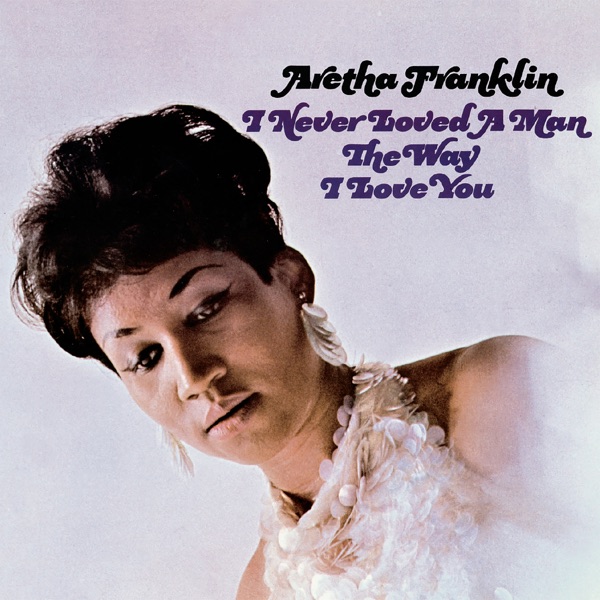
I Never Loved a Man the Way I Love You
Aretha Franklin
Franklin's powerful soul vocals and arrangement choices echo the genre-blending sensibility and emotional depth of Ray Charles' country-soul fusion.

What's Going On
Marvin Gaye
Gaye's lush orchestral arrangements and sophisticated soul sound share the rich production and genre-transcendent artistry that makes Modern Sounds so timeless.
Also Appears On
Own this record? Track it in your collection.