#1 of 500
· Rolling Stone
“The number one spot on this list is the number one spot on most lists, and there's a reason. Motown told Gaye this record wouldn't sell. He pressed the issue — literally — and what came out was the most important soul record ever waxed. The original Tamla pressing with the gatefold is the one to chase, but any pressing of this record sounds like a revelation.”
Marvin Gaye (1939-1984) was a legendary Motown artist who became one of soul music's greatest innovators. Rising to prominence in the 1960s as a vocalist and session drummer, Gaye achieved his first major success with duets like "Ain't No Mountain High Enough" with Tammi Terrell. His artistic ambitions led to creative tensions with Motown that ultimately yielded groundbreaking work. "What's Going On" (1971) and "Let's Get It On" (1973) established him as a visionary artist willing to push boundaries. These albums showcased his evolution from pop-soul entertainer to socially conscious artist and lover's man, blending sophisticated arrangements with deeply personal material.
Style
Marvin Gaye's style evolved from Motown pop-soul to sophisticated, jazz-influenced soul and funk. His rich baritone and emotional depth defined his sound, characterized by lush orchestral arrangements, thoughtful lyrics, and innovative production techniques.
Significance
Marvin Gaye's influence on soul and R&B cannot be overstated; his albums are cornerstone recordings for vinyl collectors. "What's Going On" particularly revolutionized the concept album format and established the artist as a serious creative force beyond commercial pop, making his vinyl releases essential listening and highly sought-after in the collector community.
What's Going On emerged from Marvin Gaye's growing artistic ambition and social consciousness during the late 1960s. The album marked a departure from the rigid structure of Motown's production line, with Gaye exercising unprecedented creative control. The title track, inspired by the Vietnam War and social unrest, was initially rejected by Berry Gordy before becoming a hit. Working with producer James Nile Rogers and arranger David Van De Pitte, Gaye crafted lush orchestral arrangements that blended soul, jazz, and funk. The album addressed systemic issues—poverty, environmental crisis, police brutality—through conversational interludes and layered vocals. Gaye's willingness to challenge Motown's commercial formula while maintaining commercial appeal fundamentally shifted the label's artistic direction.
Historical Context
Released in May 1971, What's Going On arrived during a pivotal moment of American social turbulence: the Vietnam War's continuation, the Civil Rights era's aftermath, and rising urban poverty. The album resonated with listeners seeking socially conscious popular music beyond protest songs, influencing Stevie Wonder, Curtis Mayfield, and others to pursue ambitious concept albums. Despite initial resistance from Motown executives, the album became a massive commercial and critical success, selling over three million copies and establishing Gaye as a serious artistic voice. It helped legitimize soul and R&B as vehicles for social commentary and artistic experimentation.
Pressing Notes
The original 1971 Motown pressing (MS 721) featured the distinctive gatefold cover with die-cut effects. Early copies are sought by collectors for superior sound quality and pressing weight. Subsequent reissues include a 1981 Motown reissue and various digital-era pressings. Analogue Productions released a 45 RPM two-LP set in the 2000s, highly regarded for audiophile quality. Collectors should seek original Motown pressings when possible; later reissues vary significantly in mastering and pressing quality. Condition matters substantially for this album due to its popularity and extensive radio play of original copies.
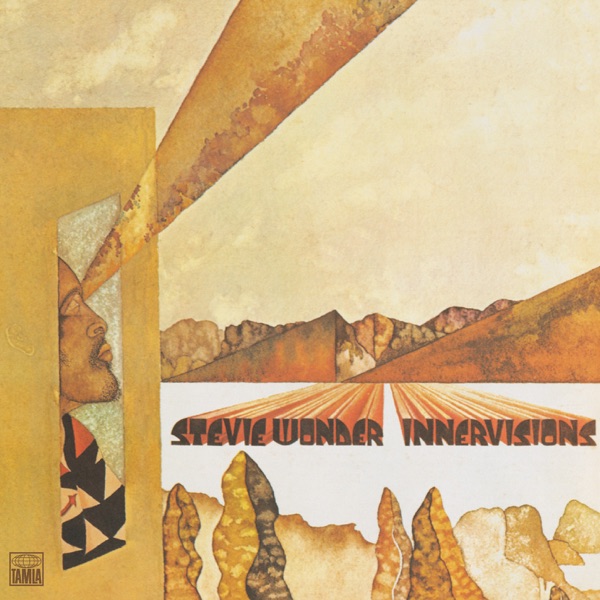
Innervisions
Stevie Wonder
A masterpiece of socially conscious soul with lush orchestration and sophisticated production that matches Marvin Gaye's artistic depth.

Let's Stay Together
Al Green
Features the same smooth, emotionally resonant soul vocals and string arrangements that define the best of 1970s R&B.

Superfly
Curtis Mayfield
A socially aware soul album with cinematic arrangements and a funk undercurrent that shares Marvin Gaye's narrative storytelling approach.

Still Bill
Bill Withers
Combines intimate soul vocals with sophisticated arrangements and explores themes of love and reflection similar to What's Going On.
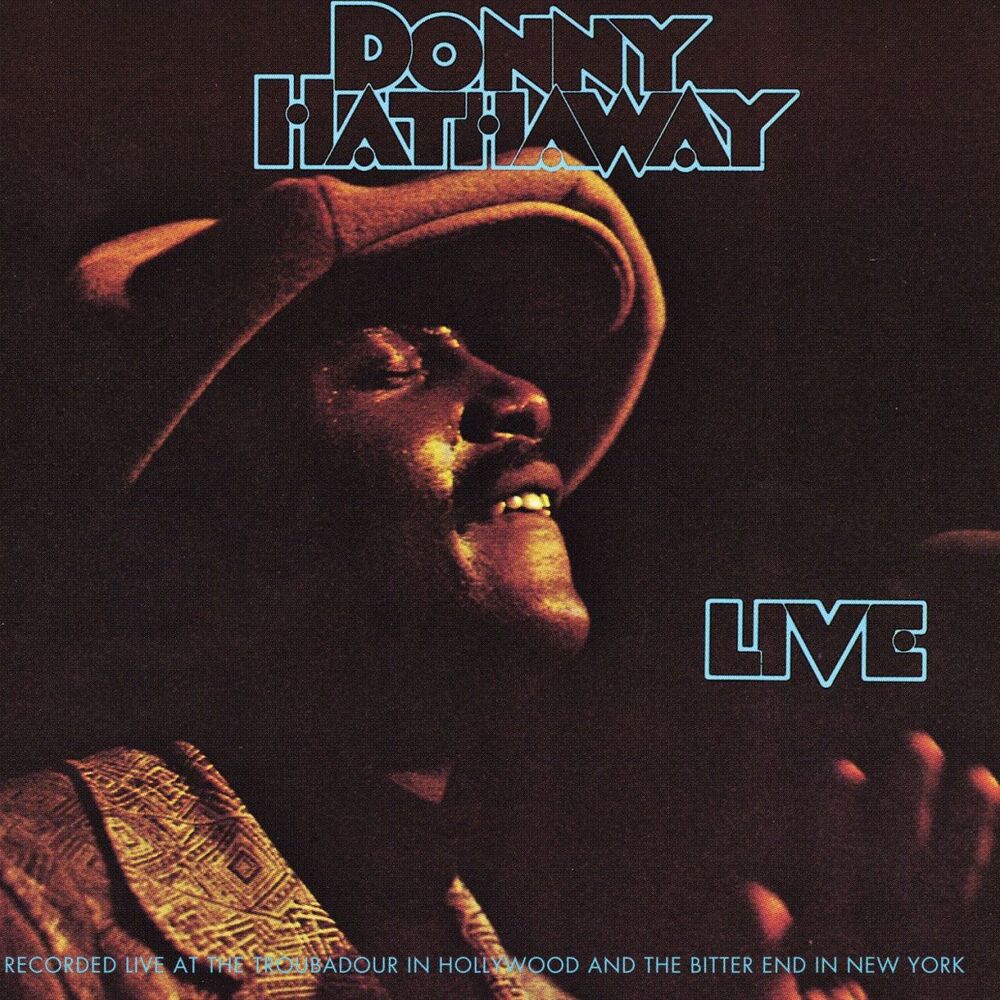
Live
Donny Hathaway
Showcases virtuosic soul performance with emotional depth and jazzy arrangements that align with the sophisticated sound of What's Going On.
Also Appears On
Essential Soul & Funk on Vinyl
“The greatest album in any genre. Every track flows into the next. The layered vocals, the strings, the jazz underpinning. This is the record that proved soul music could be art.”
Sounds Better on Wax
“The layered vocals, the strings, the way tracks bleed into each other — this was a continuous-play concept before that was a term. Vinyl preserves the flow. Streaming's track separations interrupt it.”
Apple Music 100 Best Albums
“At number 17, "What's Going On" deserves the real estate—it's arguably the most consequential soul album ever pressed. Marvin's orchestral arrangements and lyrics tackling Vietnam, pollution, and police brutality set a template that basically invented the socially conscious R&B album. The title track's needle drop still hits with its talk-box vocal and strings, and the whole thing flows as a unified statement rather than a collection of singles. I'd argue it could rank even higher on most serious lists, though placing it in the top 20 alongside the Beatles and Dylan keeps things honest about the era.”
Dexx's Top 100 Vinyl Albums of All Time
“Had to put this at the top because *What's Going On* fundamentally changed what soul music could say. Marvin refused to record another dance track, and instead created this concept album that sounds like a conversation with an old friend—strings arranged by David Van De Pitte wrapping around his voice like smoke. The production is so warm and human that even the heaviest subject matter lands like a gentle hand on your shoulder. First pressings from '71 have that magical Motown clarity that later reissues can't quite capture. This record proved that commercial soul and artistic integrity weren't mutually exclusive, and honestly, nothing's topped it since.”
Own this record? Track it in your collection.