#23 of 25
· Cratewise Editorial
“Womack's comeback album at 37, on Beverly Glen Records. 'If You Think You're Lonely Now' is the slow-burn groove that inspired Bobby Brown and a thousand quiet-storm playlists.”
Bobby Womack (1944-2014) was an American soul and R&B singer-songwriter whose career spanned over five decades. He began as a child gospel singer with his brothers in the Womack Family, later forming the R&B group The Valentinos in the 1960s. Womack transitioned to solo stardom, achieving major commercial and critical success in the 1970s with albums like "Understanding" (1972) and "Facts of Life" (1973). His soulful voice and sophisticated songwriting made him a prolific hitmaker, with notable singles including "Woman's Gotta Have It," "Lookin' for a Love," and "If You Think You're Lonely Now." His influence extended beyond his own recordings—he was an accomplished songwriter and producer, penning hits for other artists and collaborating with legends like Damon Coates and David Gamson in later years.
Style
Bobby Womack is a soul and R&B vocalist known for his smooth, emotionally expressive tenor voice and sophisticated arrangements blending soul, funk, and pop elements. His music is characterized by intricate guitar work, lush orchestration, and deeply personal, often romantic lyrical content.
Significance
Womack is considered one of the greatest soul singers and songwriters of his generation, with a catalog of funk and soul records highly valued by vinyl collectors for their sound quality and musical depth. His 1970s recordings are particularly sought after on vinyl for their warm production values and exemplary mastering.
The Poet, released in 1981, represents Bobby Womack at a creative crossroads, blending his soul roots with the emerging sounds of early 80s R&B and funk. Recorded primarily at various Los Angeles studios, the album was helmed by producers including Steve Lukather and Jeff Porcaro of Toto, reflecting Womack's desire to modernize his sound while maintaining his soulful essence. The title track and lead single became Womack's signature song, showcasing his still-powerful vocals and introspective lyrics. The album marked a resurgence for Womack, who had struggled commercially throughout the 1970s despite his legendary status as a songwriter and session musician. Working with contemporary producers helped him connect with 1980s audiences while preserving the emotional depth that defined his career.
Historical Context
Released during the early MTV era, The Poet arrived as funk and new wave were reshaping mainstream radio. Bobby Womack, though revered by musicians and critics, had faded from the pop spotlight. The album's success—particularly the title track's performance on R&B and crossover charts—proved there remained an audience for sophisticated soul music. The album received positive reviews for its production values and Womack's vocal performance, establishing him as a respected elder statesman rather than a relic of the past. It revitalized his recording career and led to continued work throughout the decade.
Pressing Notes
The Poet was released on Beverly Glen Records, a small independent label that became notable for quality R&B releases. Original vinyl pressings from 1981 are generally well-produced with warm analog characteristics typical of that era. The album has seen various reissues on CD, though original vinyl copies remain collectible. As with many small-label releases from this period, original pressings can vary in quality and label details. Collectors should verify pressing information and condition carefully, as original Beverly Glen vinyl can be harder to find than major-label releases. The album's modest initial commercial performance means original pressings are less common than contemporary major-label releases.
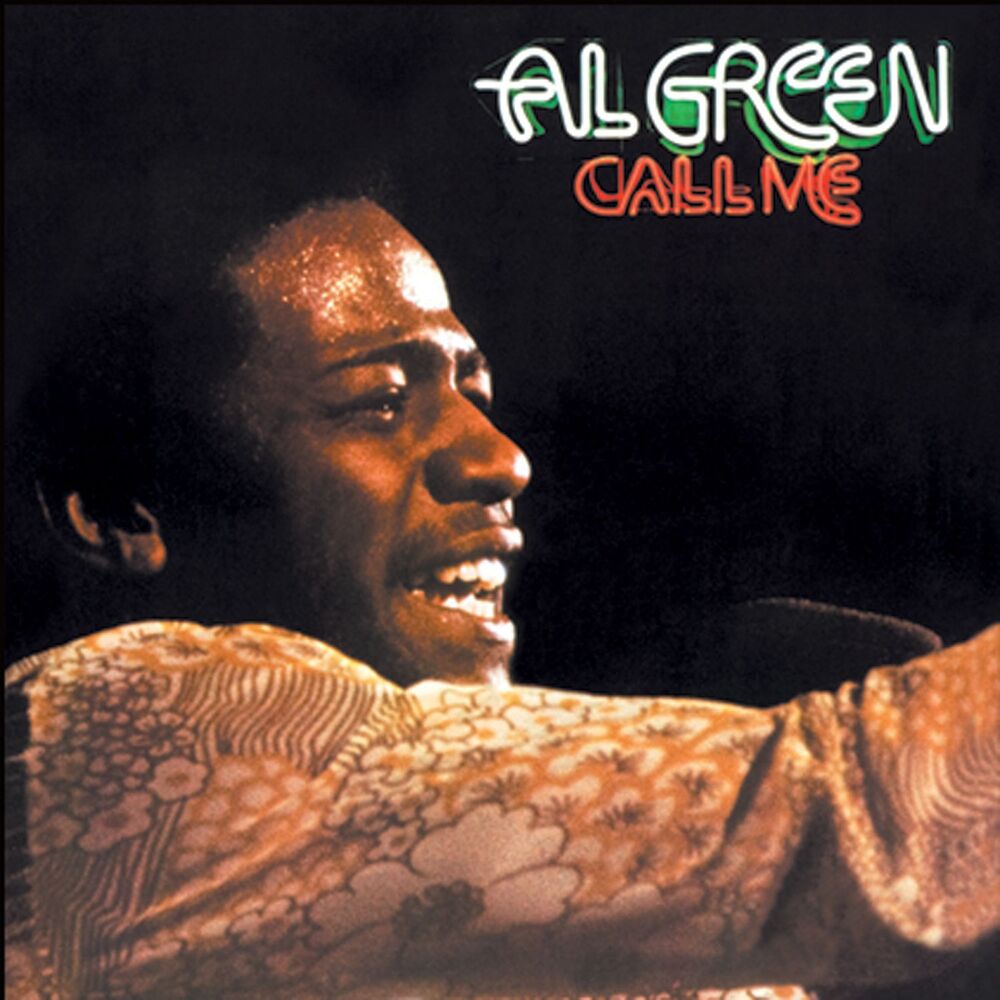
Call Me
Al Green
Shares the same soulful vocal delivery and orchestral soul arrangements that define Bobby Womack's emotional depth.
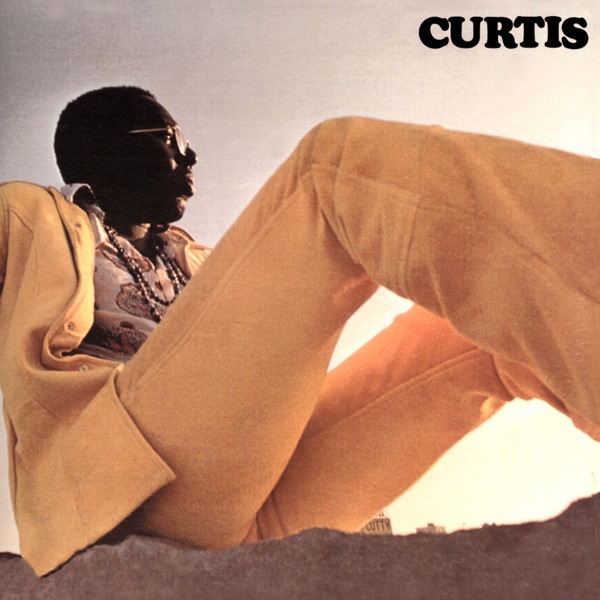
Curtis
Curtis Mayfield
Features introspective, poetic lyrics paired with sophisticated soul production similar to Womack's lyrical storytelling approach.

What's Going On
Marvin Gaye
Combines socially conscious songwriting with lush soul arrangements and vulnerable vocal performances like The Poet.

Still Bill
Bill Withers
Offers the same organic soul sound with honest, contemplative lyrics and warm instrumentation that characterize The Poet.
Own this record? Track it in your collection.