#21 of 25
· Cratewise Editorial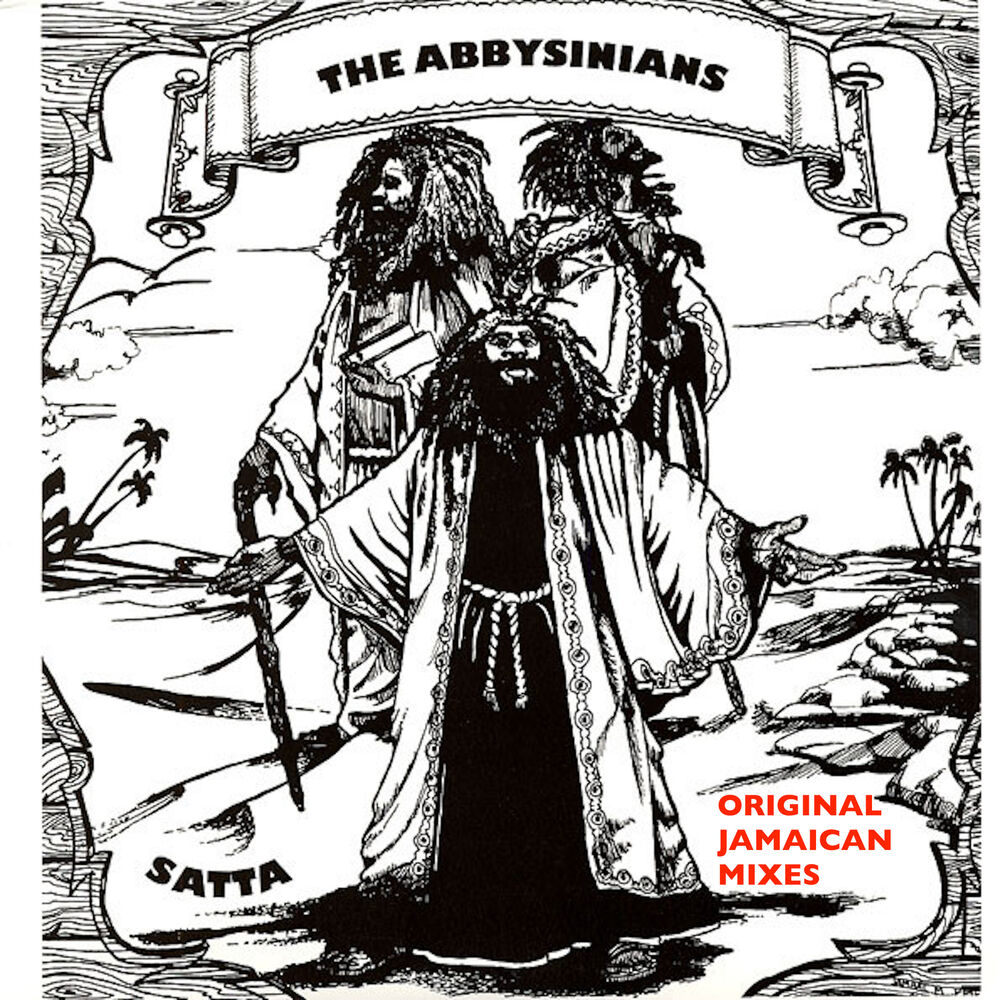
“The title track is the most sacred song in roots reggae — an Amharic hymn that became a Rastafarian anthem. Harmony singing as devotion. Clinch Records pressing.”
The Abyssinians are a reggae vocal trio from Jamaica, formed in the early 1970s by members Donald Manning, Bernard Collins, and Linford Manning. The group emerged from the roots reggae scene with a focus on Rastafarian themes and conscious lyrics. Their debut album 'Satta Amma Arrival' (1973) became a cult classic, blending tight harmonies with socially conscious messaging about spirituality, African pride, and liberation. The album features their signature track 'Satta Massa Gana,' which showcases their distinctive vocal arrangements and has been extensively sampled in hip-hop. Though they had a relatively brief active period in the 1970s, their influence on roots reggae and conscious music extended far beyond their era. Their work has been reissued multiple times on vinyl, making them essential listening for reggae collectors.
Style
The Abyssinians are known for their sophisticated vocal harmonies and roots reggae sound, characterized by heavy Rastafarian spirituality, conscious lyrics, and a focus on African heritage. Their music blends traditional reggae rhythms with soulful, gospel-influenced vocal arrangements and minimalist production.
Significance
The Abyssinians are highly significant to vinyl collectors as pioneers of roots reggae and conscious music whose influence shaped reggae and hip-hop culture. Their debut album is considered a foundational work in reggae history and remains sought-after by collectors of authentic 1970s roots reggae.
Satta Massagana, released in 1973, represents a landmark moment in reggae's spiritual evolution. The Abyssinians—Bernard Collins, Linton Lewis, and Donald Manning—recorded these tracks during Jamaica's vibrant early-1970s reggae scene, working with producer Niney "The Observer" Holness and engineer Errol Thompson at Channel One Studios. The album showcases the group's deep roots in Rastafarian philosophy, with lyrics drawn directly from biblical passages and Rasta teachings. The title track became the group's signature song, combining hypnotic rhythms with their tight three-part harmonies. The production captures the raw, spiritual essence of roots reggae, emphasizing bass and drums while allowing vocal textures to shine. Recording sessions reflected the religious commitment of the members, with spirituality informing both lyrical content and musical approach.
Historical Context
Released during reggae's golden age, Satta Massagana arrived as the genre was gaining international recognition beyond Jamaica. The early 1970s saw reggae becoming the primary vehicle for Rastafarian expression and social consciousness in popular music. The album resonated deeply within Jamaica and among diaspora communities, particularly in Britain and Africa. While not achieving massive commercial success initially, Satta Massagana became a cult classic and a crucial reference point for roots reggae authenticity. The album influenced how reggae artists approached spiritual and religious themes, establishing The Abyssinians as important voices in reggae's conscious movement.
Pressing Notes
The original 1973 release came through Clinker Records (UK/Jamaica). Collectors should note that early pressings vary in label design and pressing quality, with Jamaican pressings often exhibiting different sonic characteristics than UK editions. The album has been reissued multiple times by labels including Heartbeat Records and more recently on 180g vinyl. Audiophiles appreciate the warm, dynamic quality of first pressings, though later remastered editions provide improved clarity. Original Clinker pressings in good condition command higher prices among collectors, particularly those with intact original sleeves. Modern reissues typically offer better surface quality but may lack the character of vintage originals.

Marcus Garvey
Burning Spear
A foundational roots reggae album with similar spiritual themes and meditative vocal harmonies that defined 1970s conscious reggae.

Two Sevens Clash
Culture
Features the same melodic, harmony-driven approach to roots reggae with deep cultural and spiritual messages as The Abyssinians.

King Tubbys Meets Rockers Uptown
Augustus Pablo
A landmark dub album that shares the meditative, atmospheric qualities and explores reggae production techniques with instrumental depth.

Heart of the Congos
The Congos
A deeply meditative roots reggae masterpiece featuring ethereal vocal harmonies and dub-influenced production that parallels The Abyssinians' sound.
Own this record? Track it in your collection.