#17 of 25
· Cratewise Editorial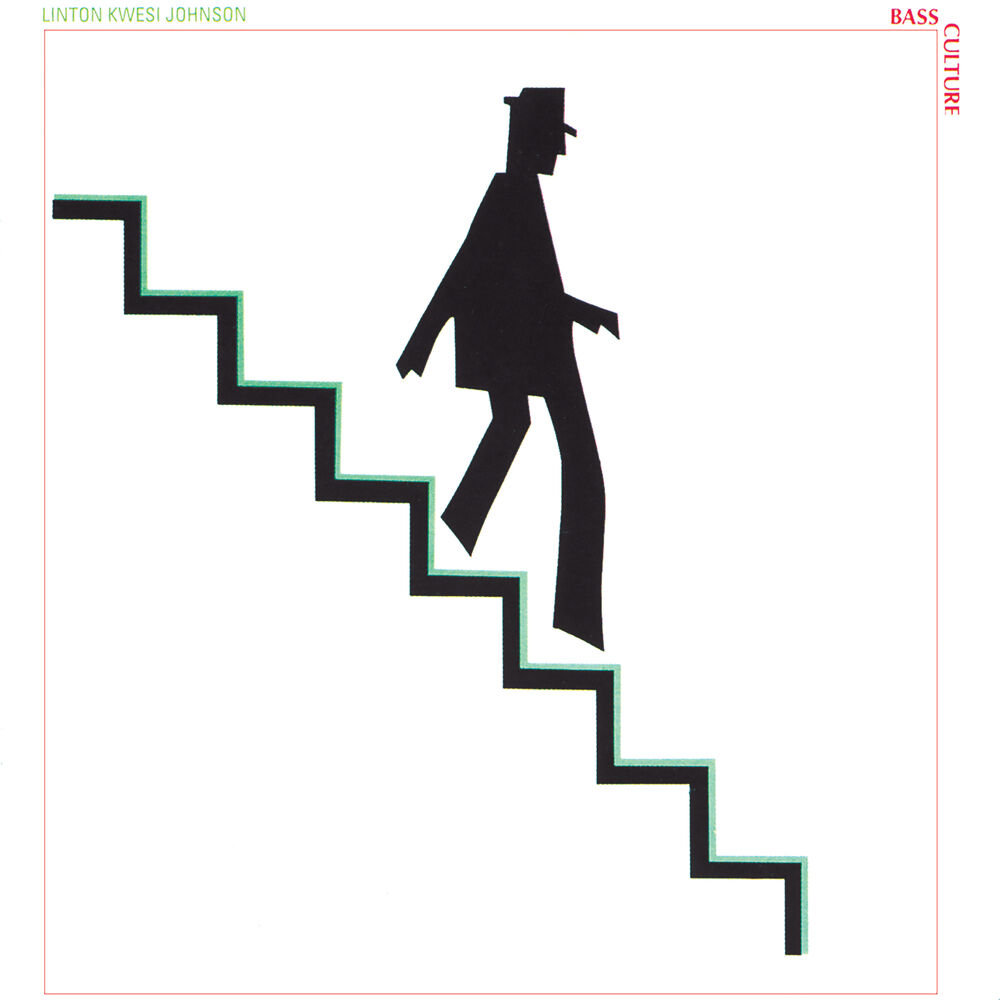
“Dub poetry — literature over Dennis Bovell's production. Johnson documented Black British life with the authority of a historian and the rhythm of a DJ. 'Inglan Is a Bitch' is reportage as reggae.”
Linton Kwesi Johnson is a British-Jamaican poet and musician born in 1952 who pioneered dub poetry, blending Caribbean oral traditions with reggae rhythms. Rising to prominence in the late 1970s, Johnson emerged as a vital voice documenting the Black British experience during a period of racial tension and social unrest. His albums, including 'Dread Beat an' Blood' (1978) and 'Making History' (1984), combined his distinctive vocal delivery with innovative production from renowned reggae producers. Johnson's work evolved from acoustic poetry performances to fully produced dub reggae compositions, establishing him as a significant figure in both poetry and music circles. His influence extended beyond music into cultural and political commentary, making him a cornerstone of the Black British arts movement.
Style
Linton Kwesi Johnson's style fuses Jamaican dub reggae with spoken word poetry, characterized by heavy basslines, echo-laden production, and rhythmic vocal delivery. His work emphasizes lyrical storytelling and social commentary over melodic hooks, creating a distinctly politicized reggae-poetry hybrid.
Significance
As an innovator who legitimized dub poetry as a serious art form, Johnson holds considerable significance for vinyl collectors interested in reggae, post-punk, and British Caribbean music. His original pressings from the Island and Mango labels are prized by collectors for their exceptional production quality and cultural importance to Black British history and radical music movements.
Bass Culture, released in 1980, stands as Linton Kwesi Johnson's most celebrated album and a landmark in British reggae and dub poetry. Recorded in London, the album was produced by Dennis Bovell, a visionary engineer and producer who had already proven his expertise in dub production. Johnson's approach was revolutionary—fusing sharp, socially conscious lyrics delivered in Jamaican Patois with heavy bass-driven rhythms and studio experimentation. The production seamlessly blends live instrumentation with studio effects, creating a sound that was both rooted in reggae tradition and strikingly modern. Tracks like 'Inglan Is a Bitch' and 'Di Great Intalikshan' showcase Johnson's ability to address systemic racism, police brutality, and working-class struggles through rhythmic, poetic language. Bovell's layered production transforms the material into immersive sonic experiences that transcend typical reggae parameters.
Historical Context
Bass Culture emerged during a turbulent period in Britain, as the National Front gained political traction and Black communities faced escalating police harassment and marginalization. The album resonated powerfully with British-Caribbean youth and working-class audiences experiencing these conditions firsthand. LKJ's dub poetry was simultaneously appearing in live performance circuits and building a devoted following. The album received significant critical acclaim, establishing Johnson as a major voice in British music and reggae globally. It became influential not only in reggae and Caribbean music but also in emerging hip-hop and spoken word movements, positioning Johnson as a pioneer in politicized rhythm-based poetry.
Pressing Notes
Bass Culture was released on Island Records and has appeared in multiple pressings since 1980. Early UK pressings on Island's original pressing are highly sought after by collectors for their superior mastering and warm vinyl characteristics. The album has been reissued several times, including digital remasters and audiophile vinyl reissues. Collectors should seek original 1980 Island Records UK pressings for the most authentic experience. The album has also been included in various compilations and retrospectives of Johnson's work. Condition is paramount—finding well-preserved copies of earlier pressings has become increasingly valuable as interest in reggae and dub poetry has grown among vinyl enthusiasts.
Own this record? Track it in your collection.