#10 of 25
· Cratewise Editorial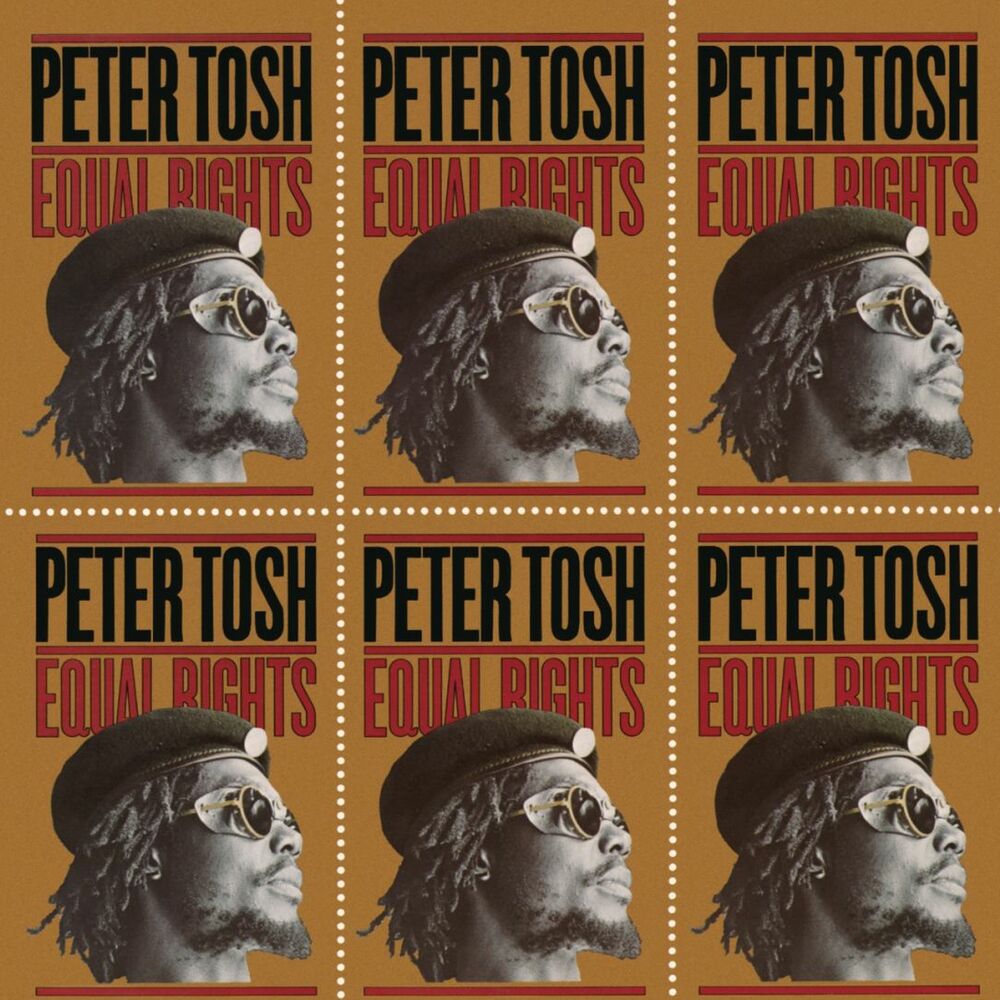
“Tosh left the Wailers and made the most politically militant reggae album of the '70s. 'Get Up, Stand Up' appears here in a fiercer version than Marley's. 'Equal Rights' is a demand, not a request.”
Peter Tosh (1944-1987) was a Jamaican reggae pioneer and founding member of The Wailers alongside Bob Marley and Bunny Wailer. After leaving The Wailers in 1973, Tosh embarked on a distinguished solo career, establishing himself as a skilled musician and outspoken advocate for cannabis legalization and human rights. His landmark solo albums include Legalize It (1976), Equal Rights (1977), and Bush Doctor (1978), which showcased his mastery of guitar, keyboards, and vocals. Tosh's later work gained international recognition through collaborations, including a notable duet with Mick Jagger on "Walk and Don't Look Back" (1978). He remained politically committed throughout his career, using reggae as a vehicle for social commentary until his assassination in Kingston in 1987.
Style
Peter Tosh was a roots reggae master known for his precise guitar work, militant vocals, and incorporation of rock and soul influences. His sound ranged from traditional reggae rhythms to more contemporary funk-influenced productions, maintaining authenticity while expanding the genre's boundaries.
Significance
Tosh is essential to vinyl collectors as both a foundational Wailers member and a significant solo artist who elevated reggae's global profile during the 1970s and 1980s. His politically conscious lyrics and technical musicianship made him a crucial figure in reggae's evolution beyond Bob Marley's shadow.
Equal Rights, released in 1977, stands as Peter Tosh's most politically assertive solo album and his first for Rolling Stones Records. Recorded primarily at the Island Studios in Jamaica with producer Steve Smith, the album showcased Tosh's evolution from Wailers guitarist to outspoken reggae activist. The title track became an anthem for civil rights and LGBTQ+ advocacy, with Tosh delivering uncompromising vocals over a driving reggae rhythm. Other key collaborators included drummer Sly Dunbar and bassist Robbie Shakespeare, whose session work provided the album's tight, modern reggae foundation. The album's raw energy reflected Tosh's growing independence and willingness to address social injustice directly, marking a departure from his previous work toward more explicit political messaging.
Historical Context
Equal Rights arrived during reggae's commercial ascension in the mid-1970s, following Bob Marley's international breakthrough. The album was well-received by critics and reggae audiences, establishing Tosh as a singular voice within the genre—less mystical than Marley, more radical and confrontational. Released in an era of post-colonial Caribbean politics and growing awareness of human rights issues, the album resonated with audiences seeking unfiltered social commentary. Its explicit advocacy for marginalized communities positioned Tosh as reggae's conscience alongside his spiritual dimension.
Pressing Notes
The original 1977 pressing on Rolling Stones Records (UK and US) featured the classic gatefold design and remains highly collectible. Early pressings are identifiable by their deep, warm vinyl sound. Subsequent reissues have appeared through Island Records and other labels over the decades. Vinyl collectors should seek original UK and US first pressings for optimal sound quality and historical value. The album has been remastered and reissued multiple times on both vinyl and CD, but early pressings command premium prices due to their clarity and pressing quality. Condition and completeness significantly affect collector value.
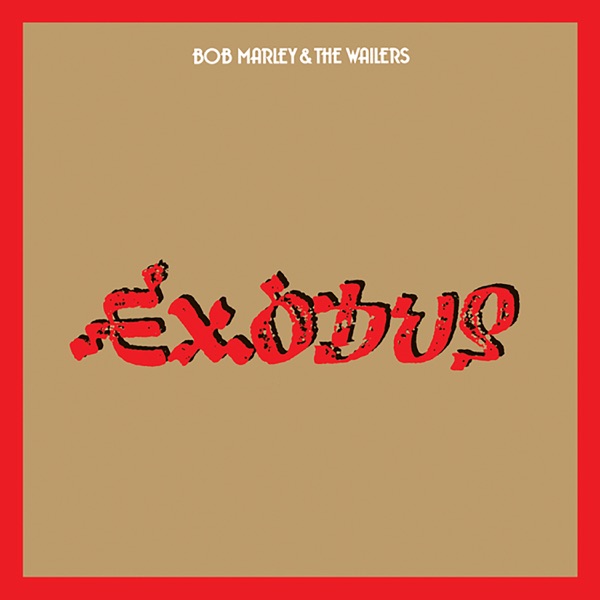
Exodus
Bob Marley & The Wailers
A foundational reggae album with similar conscious lyrics and infectious rhythms that complements Tosh's militant roots reggae aesthetic.

Marcus Garvey
Burning Spear
Shares Equal Rights' deep Rastafarian spirituality and powerful dub production with a hypnotic, roots-heavy sound that vinyl enthusiasts prize.
Own this record? Track it in your collection.