#22 of 25
· Cratewise Editorial
“The album where Tyler grew up in public — vulnerability replacing provocation. 'See You Again' and 'November' are beautiful. The neo-soul and jazz production is lush on vinyl.”
Tyler, The Creator (Tyler Okonkwo) emerged from Odd Future Wolf Gang Kill Them All (OFWGKTA) collective in the early 2010s, establishing himself as a boundary-pushing hip-hop artist, producer, and visual director. His early mixtapes and albums like Goblin (2011) and Wolf (2013) showcased his raw production skills and provocative lyrics, while later albums demonstrated significant artistic maturation. His discography includes Flower Boy (2017), which marked a creative shift toward more introspective and sonically diverse production, and Igor (2019), which won the Grammy Award for Best Rap Album and featured innovative production blending hip-hop, R&B, and electronic elements. Call Me If You Get Lost (2021) and Call Me If You Get Lost: The Estate Sale (2023) continued his evolution with sophisticated production and reflective storytelling.
Style
Tyler's style spans from abrasive, sample-heavy hip-hop production to more refined, genre-blending approaches incorporating R&B, soul, and electronic elements. His sonic palette is characterized by distinctive sampling, layered arrangements, and willingness to experiment outside traditional rap frameworks.
Significance
Tyler represents a crucial bridge between underground hip-hop and mainstream acceptance of artistic experimentation and visual album presentation. For vinyl collectors, his releases are valued for their innovative packaging design, substantial production quality, and significance as contemporary hip-hop documents that showcase rap's continued creative evolution.
Flower Boy, released in July 2017, marked a significant creative pivot for Tyler, The Creator. Recorded primarily at his own Odd Future Studios in Los Angeles, the album showcased a more introspective and melodically sophisticated sound compared to his earlier work. Tyler collaborated with producers like DJ Dahi, Thundercat, and others, while enlisting vocal features from artists including Frank Ocean, Lil Wayne, Kali Uchis, and Estelle. The album's creation reflected Tyler's desire to explore themes of vulnerability, love, and self-reflection, moving away from the shock-rap persona of his earlier releases. He also directed the album's accompanying visual album, demonstrating his commitment to presenting a complete artistic statement across multiple mediums.
Historical Context
Flower Boy arrived during a period when hip-hop was increasingly embracing melodic experimentation and emotional vulnerability. The album was released to widespread critical acclaim, with reviewers praising its cohesive production, introspective lyrics, and sonic diversity. It debuted at number two on the Billboard 200 chart and solidified Tyler's position as one of rap's most innovative artists. The album resonated particularly with fans who appreciated his evolution beyond the shock tactics of earlier work, arriving at a cultural moment when hip-hop audiences were receptive to more nuanced, genre-blending approaches.
Pressing Notes
Flower Boy received various vinyl pressings across different labels and territories. The initial Columbia Records pressing came in standard black vinyl, with limited edition color variants released in select markets. Collectors should note that pressing quality varies, with some early pressings experiencing centering issues or surface noise—common concerns for popular releases from this period. Different regional pressings may have slight label variations. As with many contemporary hip-hop releases, original first pressings have become increasingly sought-after by collectors, particularly any limited color variations. Buyers should verify pressing information and condition carefully, as market prices for select editions have appreciated significantly since release.

Blonde
Frank Ocean
Shares Flower Boy's experimental approach to hip-hop with lush, layered production and emotional vulnerability throughout.
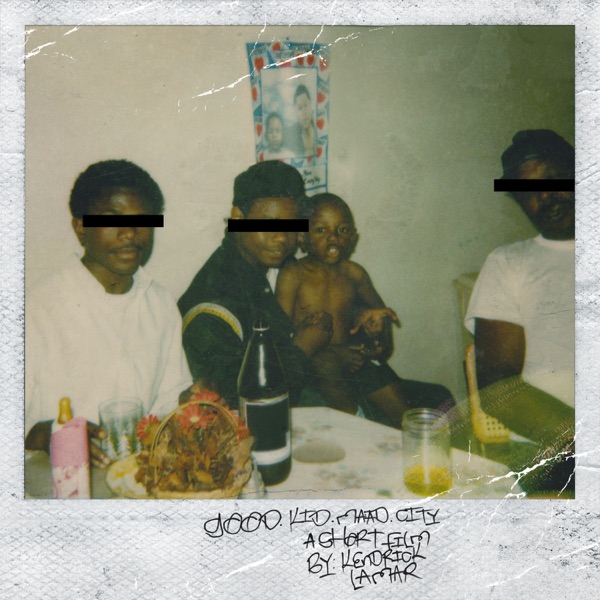
good kid, m.A.A.d city
Kendrick Lamar
Delivers narrative-driven hip-hop with sophisticated production and emotional depth that appeals to fans of Tyler's artistic maturity.
Also Appears On
Own this record? Track it in your collection.