#12 of 25
· Cratewise Editorial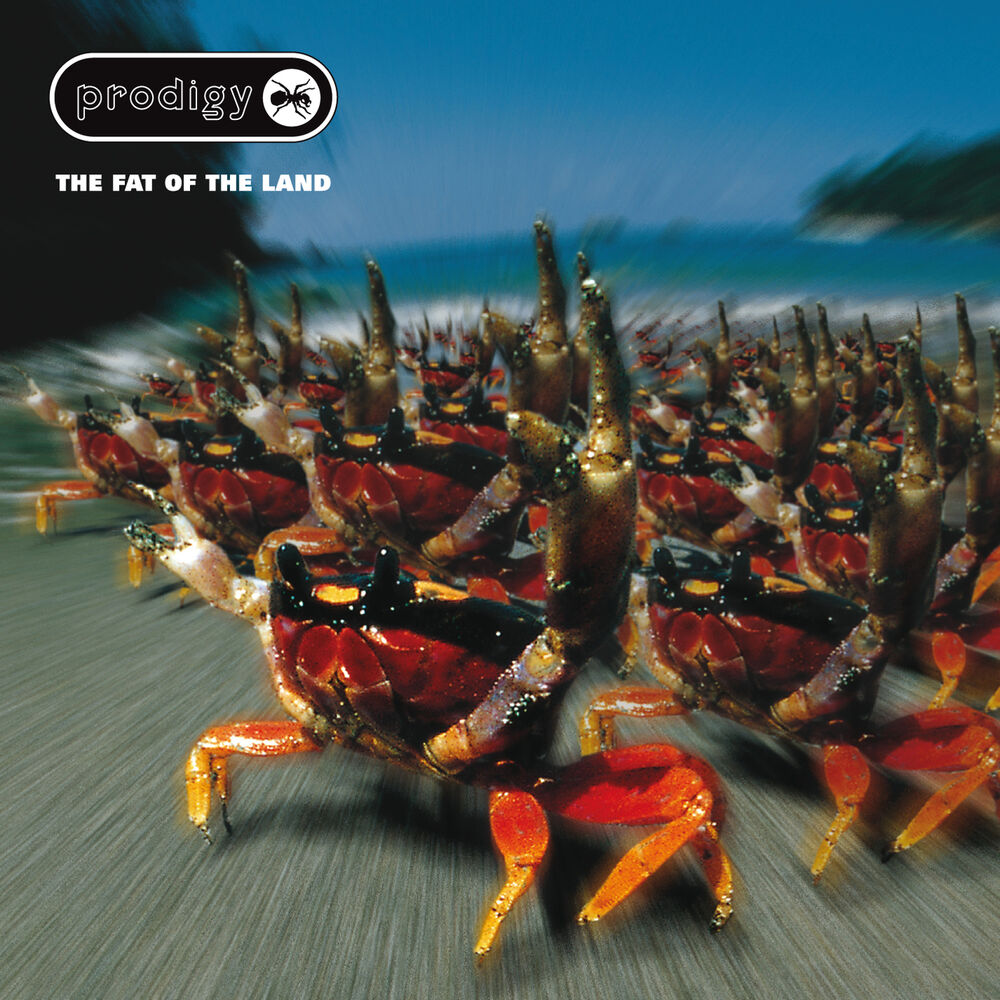
“'Firestarter' and 'Breathe' made electronic music a stadium concern. Liam Howlett's production is aggressive, physical, and impossible to ignore. Big beat's peak moment.”
The Prodigy emerged from Essex in 1990 as pioneers of the big beat movement, fundamentally reshaping electronic music's cultural landscape. Led by Liam Howlett's production alongside vocalist Keith Flint and dancer Maxim Reality, the group achieved mainstream breakthrough with their 1994 album "Music for the Jilted Generation," which blended breakbeats, industrial samples, and punk attitude. Their 1997 album "The Fat of the Land" became a commercial juggernaut, spawning the controversial hit "Firestarter" and establishing them as one of the decade's most important electronic acts. The group continued evolving through subsequent decades with albums like "Always Outnumbered, Never Outgunned" (2004) and returned to critical acclaim with "No Tourists" (2018), proving their staying power across multiple generations of dance music.
Style
The Prodigy crafted a distinctive fusion of breakbeat-driven electronic music with punk rock energy, characterized by aggressive basslines, chopped vocal samples, and industrial production techniques. Their sound aggressively rejected the sanitized house music of their era, instead creating a visceral, confrontational aesthetic that appealed to both electronic and alternative audiences.
Significance
As architects of big beat's mainstream breakthrough, The Prodigy's influence on electronic music's cultural acceptance cannot be overstated, making their original vinyl pressings highly sought by collectors. Their early releases on XL Recordings, particularly the iconic sleeves and varying pressing editions, have become essential items in any serious electronic music vinyl collection.
The Fat of the Land, released in 1997, marked The Prodigy's third studio album and their most commercially ambitious project. Recorded across multiple studios including collaborations with producer Rick Rubin, the album showcased the band's evolution from rave pioneers to stadium-ready electronic rock act. Liam Howlett spearheaded production alongside contributions from other producers, while the vocal presence of Keith Flint became more prominent. The album features the breakthrough hit 'Firestarter,' with its menacing industrial sound and Flint's aggressive delivery becoming a defining moment in electronic music's crossover to mainstream rock audiences. Sessions were driven by the band's desire to create tracks with genuine rock sensibility while maintaining their electronic roots.
Historical Context
Released in June 1997, The Fat of the Land arrived at a pivotal moment when electronic music was gaining unprecedented mainstream acceptance. 'Firestarter' became a global phenomenon, climbing charts worldwide and receiving heavy MTV rotation despite its dark, provocative aesthetic. The album debuted at number one in the UK and performed exceptionally well internationally, helping establish The Prodigy as more than novelty act—they were now serious contenders in popular music. The album's success reflected broader late-90s trends toward electronic elements in mainstream rock, influencing countless bands in the industrial rock and nu-metal scenes that would follow.
Pressing Notes
The original UK pressing on XL Recordings is highly collectible, particularly early editions with the original cover art (later editions modified artwork due to controversy). The album appeared on 2xLP vinyl with substantial sonic depth given the aggressive production. Both standard black vinyl and various colored vinyl editions exist from the era and subsequent reissues. Collectors should seek out original 1997 first pressings for optimal audio quality and collectibility. The album has been reissued multiple times on vinyl, including deluxe editions, so condition and pressing plant details matter significantly to collectors.

Dig Your Own Hole
Chemical Brothers
Both are landmark big beat albums from the mid-90s with heavy electronic production, aggressive beats, and high-energy sonic landscapes.

Selected Ambient Works 85-92
Aphex Twin
Represents the more experimental side of 90s electronic music that influenced Prodigy's evolution, offering intricate sound design on vinyl's warm medium.
Own this record? Track it in your collection.