#85 of 100
· Cratewise Editorial
“Mothership Connection lands here because it's the perfect bridge between funk's harder edges and pure psychedelic soul—every needle drop reveals another layer. George Clinton's vision on this one is audacious without ever losing the groove, and tracks like "Give Up the Funk" just refuse to date themselves. The original Casablanca pressing has this warm, spacious quality that digital just can't touch. It's essential wax for anyone serious about understanding how funk became the connective tissue between rock, soul, and everything that came after.”
Parliament, led by visionary George Clinton, emerged from the Detroit funk scene in the late 1960s as an evolution of the Parliaments doo-wop group. The band became the instrumental core of Clinton's expansive P-Funk empire, alongside Funkadelic, creating some of the most ambitious and sonically innovative funk music of the 1970s. Their landmark albums 'Mothership Connection' (1975) and 'The Clones of Dr. Funkenstein' (1976) epitomized the P-Funk sound—dense arrangements blending funk grooves with psychedelic textures, elaborate concept narratives, and theatrical live performances. Parliament released consistently throughout the late 1970s with albums like 'Funkentelechy vs. the Placebo Syndrome' (1977) and 'Gloryhallastoopid' (1978), establishing themselves as architects of advanced funk before the band's commercial decline in the 1980s.
Style
Parliament pioneered a maximalist approach to funk, layering synths, horns, and complex basslines into densely arranged compositions that blended P-Funk, psychedelia, and R&B. Their sound emphasized conceptual album narratives, cosmic themes, and technological experimentation within the funk framework.
Significance
Parliament's 1970s output represents essential funk music with exceptional vinyl reissue availability, making them crucial for collectors exploring the genre's evolution. Their influence on hip-hop sampling and contemporary funk ensures sustained collector interest and consistent vinyl demand.
Mothership Connection, released in December 1975, marked a creative peak for Parliament under George Clinton's visionary leadership. The album was recorded across multiple sessions at the Record Plant in Los Angeles, featuring the full Parliament-Funkadelic collective including bassist William "Billy" Bass Nelson, keyboardist Bernie Worrell, and a horn section that had become legendary in funk circles. Clinton conceived the album as a theatrical funk odyssey, with the "Mothership" serving as a central metaphor for Black consciousness and liberation. The production showcases Clinton's innovative approach to synthesizers and studio layering, while the musicianship demonstrates why Parliament had become one of the most sophisticated funk acts of the era. The album balances intricate instrumental arrangements with Clinton's distinctive vocal delivery and philosophical rap passages.
Historical Context
By 1975, Parliament had emerged from the shadow of its sister project Funkadelic to claim equal status in the P-Funk universe. The mid-1970s funk explosion was in full swing, with James Brown's legacy being reinterpreted through a psychedelic lens by Clinton's ensemble. Mothership Connection arrived during a period when funk was infiltrating mainstream radio and Black culture was embracing Afrofuturism. The album was a commercial success, reaching gold status and establishing Parliament as major album artists rather than just a singles act. Its success helped validate progressive funk as serious artistic expression and influenced the trajectory of 1980s electronic music and hip-hop.
Pressing Notes
The original 1975 Casablanca Records pressing (NBLP 7014) is highly sought by collectors, with early pressings featuring distinct sound characteristics. The gatefold cover with the iconic Mothership illustration by Pedro Bell has become one of funk's most recognizable artworks. Vinyl reissues have been released through Casablanca's catalog reissues, though original pressings remain the preferred version for audiophiles. The album's dense production—with multiple vocal and instrumental layers—showcases how well it translates to vinyl format. Collectors should note that original pressings can vary in pressing quality; later 1970s Casablanca pressings are generally considered superior to 1980s reissues.

One Nation Under a Groove
Funkadelic
Funkadelic shares Parliament's cosmic funk vision with George Clinton's production, delivering the same psychedelic groove and instrumental innovation.
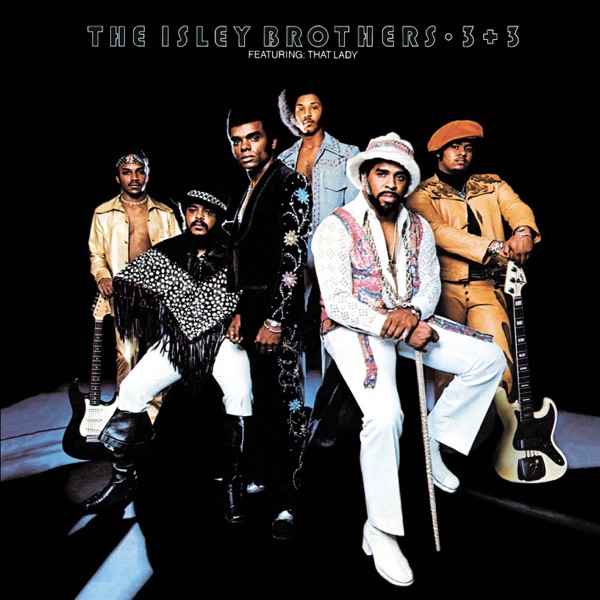
3 + 3
The Isley Brothers
The Isleys deliver heavy funk grooves with extended instrumental passages and soulful vocals similar to Parliament's cosmic funk approach.
Also Appears On
Own this record? Track it in your collection.