#64 of 100
· Cratewise Editorial
Ready to Die
The Notorious B.I.G.
Year
1994
Genre
Hip-Hop/RapLabel
Bad Boy
Format
Vinyl LP
“Ready to Die lands here because it's the blueprint moment when East Coast hip-hop reclaimed the narrative—Biggie's first needle drop is pure swagger over those soulful samples, and tracks like "Juicy" and "Big Poppa" became instant standards. The production from DJ Premier, Easy Mo Bee, and Puffy created this lush, cinematic sound that hip-hop still chases. This debut is essential listening, not some deep cut, but it narrowly misses my top 50 because the inconsistent back half keeps it from matching the front-loaded brilliance of, say, Illmatic or Reasonable Doubt. Still, a Bad Boy first press is non-negotiable for any serious wax collection.”
The Notorious B.I.G. (Christopher Wallace, 1972–1997) was a Brooklyn-born rapper who became one of hip-hop's most influential figures during the genre's golden age. Rising to prominence in 1994 with his debut album 'Ready to Die,' he introduced a distinctive East Coast sound characterized by vivid storytelling and smooth, rhythmic delivery. His second album 'Life After Death' (1997), released posthumously following his murder, became a landmark double album that solidified his legacy. B.I.G. collaborated with Dr. Dre, Puffy, and Jay-Z, helping define East Coast hip-hop and the Bad Boy Records label's sound during the mid-1990s.
Style
Biggie pioneered a narrative-driven East Coast hip-hop style, combining boom-bap production with introspective lyrics and party anthems. His production ranged from sample-heavy tracks to funk-influenced beats, creating a sonic breadth that influenced countless subsequent producers and rappers.
Significance
The Notorious B.I.G. is essential to any serious hip-hop vinyl collection, representing the peak of 1990s East Coast rap. His albums remain highly sought-after by collectors, particularly original pressings of 'Ready to Die' and 'Life After Death,' which showcase the production quality and cultural importance of mid-1990s hip-hop.
Released in September 1994, 'Ready to Die' was the debut album of Christopher Wallace, known as The Notorious B.I.G., produced primarily by Sean 'Diddy' Combs at Bad Boy Records. Recorded over several months in New York, the album showcased Wallace's distinctive deep voice and storytelling ability, blending street narratives with introspective moments. Key collaborators included producers DJ Premier, Easy Mo Bee, and Lord Finesse, while features included Craig Mack, Faith Evans, and Puff Daddy. The album's conceptual arc traces the rapper's life from childhood hardship through street success, culminating in the haunting outro 'Suicidal Thoughts.' Wallace drew from his lived experiences in Brooklyn's Fulton Street neighborhood, creating visceral narratives that resonated authentically with audiences seeking substantive East Coast hip-hop.
Historical Context
'Ready to Die' arrived during the height of the East Coast-West Coast hip-hop rivalry, establishing Bad Boy Records as a major label force and revitalizing New York rap's commercial viability after West Coast dominance. The album's success—reaching #15 on the Billboard 200 and spawning hits like 'Juicy' and 'Big Poppa'—positioned Biggie as the East Coast's answer to Tupac and validated Combs' production philosophy. Critics praised its lyrical depth and sonic sophistication, with many considering it a classic before its release. The album sold over one million copies domestically and helped define mid-90s hip-hop's sound and ethos.
Pressing Notes
The original 1994 vinyl pressing on Bad Boy/Arista Records (74321-18855-1) is highly sought by collectors. Early pressings feature die-cut gatefold artwork and include the full original tracklist. Reissues have been released over the years, including 2012 and 2017 editions, typically on 180-gram vinyl. Collectors should verify pressing plants and matrix codes to identify original pressings, which command premium prices. The album has maintained strong availability compared to many 90s hip-hop releases, making it relatively accessible for collectors seeking quality copies of this landmark record.

Illmatic
Nas
A landmark 1994 East Coast hip-hop album with similarly grimy production and introspective street narratives that defined the era alongside Ready to Die.

Enter the Wu-Tang (36 Chambers)
Wu-Tang Clan
Features the same gritty, sample-heavy production style and raw East Coast rap energy with multiple distinctive voices like Biggie's collaborators.

The Infamous
Mobb Deep
Delivers dark, atmospheric production and intricate lyricism from the same Queens-based scene, with a similarly menacing sonic landscape.

Life After Death
The Notorious B.I.G.
Biggie's follow-up album maintains the same production quality and storytelling prowess while expanding on the sound that made Ready to Die iconic.
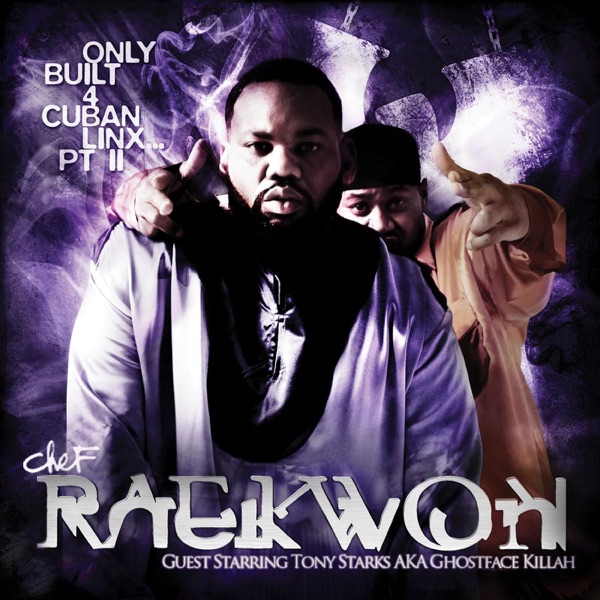
Only Built 4 Cuban Linx...
Raekwon
A Wu-Tang affiliate album with cinematic, soulful production and vivid narrative rap that shares Ready to Die's attention to detail and East Coast authenticity.
Also Appears On
Debut Albums
“Biggie's debut is his masterpiece. 'Juicy' is the greatest rags-to-riches story in rap. 'Big Poppa' is impossibly smooth. He was 21 and rapping with the lived experience of someone twice his age.”
Essential Hip-Hop on Vinyl
“Biggie's storytelling is cinematic — vivid, funny, devastating. 'Juicy' is the greatest rags-to-riches anthem in rap. The 2LP pressing gives the bass the room it needs.”
Rolling Stone's 500 Greatest Albums of All Time
“Biggie was 21 when he recorded this. The pressing captures the best storyteller hip-hop ever produced — every track is a short film. 'Juicy' is the origin story, 'Big Poppa' is the celebration, and 'Suicidal Thoughts' is the comedown. Brooklyn's finest, full stop.”
Apple Music 100 Best Albums
“Ready to Die at number 32 feels about right for an album this monumental—it's got the cultural weight to sit comfortably in any essentials conversation. Big's debut is absolutely essential, front to back, with "Juicy" and "Big Poppa" doing the heavy lifting while deeper cuts like "Things Done Changed" reveal the narrative depth that made him legendary. The production from DJ Premier, Pete Rock, and Diddy creates this perfect marriage of East Coast grit and radio accessibility. Some collectors will argue it deserves higher, but honestly, any placement acknowledging this record's influence on everything that followed—especially in shaping Bad Boy's dominance—is a solid call.”
Own this record? Track it in your collection.