#61 of 100
· Cratewise Editorial
“I placed Dummy at 61 because it's the perfect bridge between experimental and accessible—the album that made trip-hop a household name without sacrificing an ounce of darkness. Beth Gibbons' vocals hit like smoke through the grooves, especially on "Glory Box," and the production (courtesy of Portishead themselves) has this unsettling cinematic quality that rewards repeated listens. The original Go! Beat pressing captures the murky, lo-fi aesthetic brilliantly; it's a record that demands you lean in close. Essential, but not quite reaching the rarified air of my top 50—that's where the truly transcendent stuff lives.”
Portishead emerged from Bristol, England in the early 1990s as pioneers of the trip-hop movement, alongside contemporaries like Massive Attack and Tricky. The trio—Geoff Barrow, Adrian Utley, and Beth Gibbons—released their landmark debut album 'Dummy' in 1994, which became a defining record of the decade and established the blueprint for downbeat, jazz-influenced electronic music. Their subsequent albums 'Portishead' (1997) and 'Third' (2008) showcased their evolution while maintaining their signature dark, cinematic atmosphere. The group went on indefinite hiatus after their second album before reuniting in 2010, continuing to tour and record sporadically.
Style
Portishead's sound blends trip-hop with noir jazz, downtempo beats, and ethereal vocals, characterized by moody atmospheres, scratched vinyl samples, and haunting string arrangements. Their production is lush yet minimalist, creating an introspective, cinematic quality.
Significance
Portishead's albums are essential for vinyl collectors interested in 1990s electronic music and alternative culture. 'Dummy' remains one of the most influential and collectible albums of the era, with multiple pressings and reissues highly sought after by collectors. Their work defined the trip-hop aesthetic and continues to influence electronic and alternative music.
Portishead's debut album 'Dummy' emerged from Bristol's underground trip-hop scene in 1994, marking a radical departure from the dance and electronic music dominating the era. The trio—Geoff Barrow, Adrian Utley, and Beth Gibbons—created the album by layering sampled strings, live instrumentation, and field recordings with Gibbons' haunting vocals. Recording took place across multiple sessions in their home studio and various Bristol locations, with the band meticulously crafting each track's atmosphere. Producer Adrian Utley and engineer Geoff Barrow drew inspiration from 1960s spy film soundtracks, film noir aesthetics, and soul music, creating a cinematic sound that felt simultaneously modern and timeless. The album's dark, introspective mood reflected the band's artistic vision and their desire to create something emotionally resonant rather than purely dancefloor-oriented.
Historical Context
Released in August 1994, 'Dummy' arrived during a period of musical experimentation and the rise of electronic music. The album became a critical and commercial success, eventually helping define the broader trip-hop genre alongside contemporaries like Massive Attack and Tricky. Its moody, atmospheric production stood in stark contrast to the prevalent rave and Britpop movements, attracting listeners seeking more introspective electronic music. 'Dummy' achieved significant chart success internationally and remains one of the defining albums of the 1990s, influencing countless downtempo and electronic artists in subsequent decades.
Pressing Notes
The original 1994 Go! Beat/Island Records pressing is highly sought by collectors. Early UK pressings are particularly desirable, with variations in matrix codes affecting collector value. The album has been reissued multiple times, including a 2001 reissue and a 2019 deluxe remaster featuring remastered audio and bonus material. Collectors should note that original pressings may show wear given their age, and price variations exist based on pressing plant and condition. The 2019 reissue on 180-gram vinyl is recommended for superior sound quality and accessibility, though original pressings remain prized by purists seeking the authentic 1990s release.
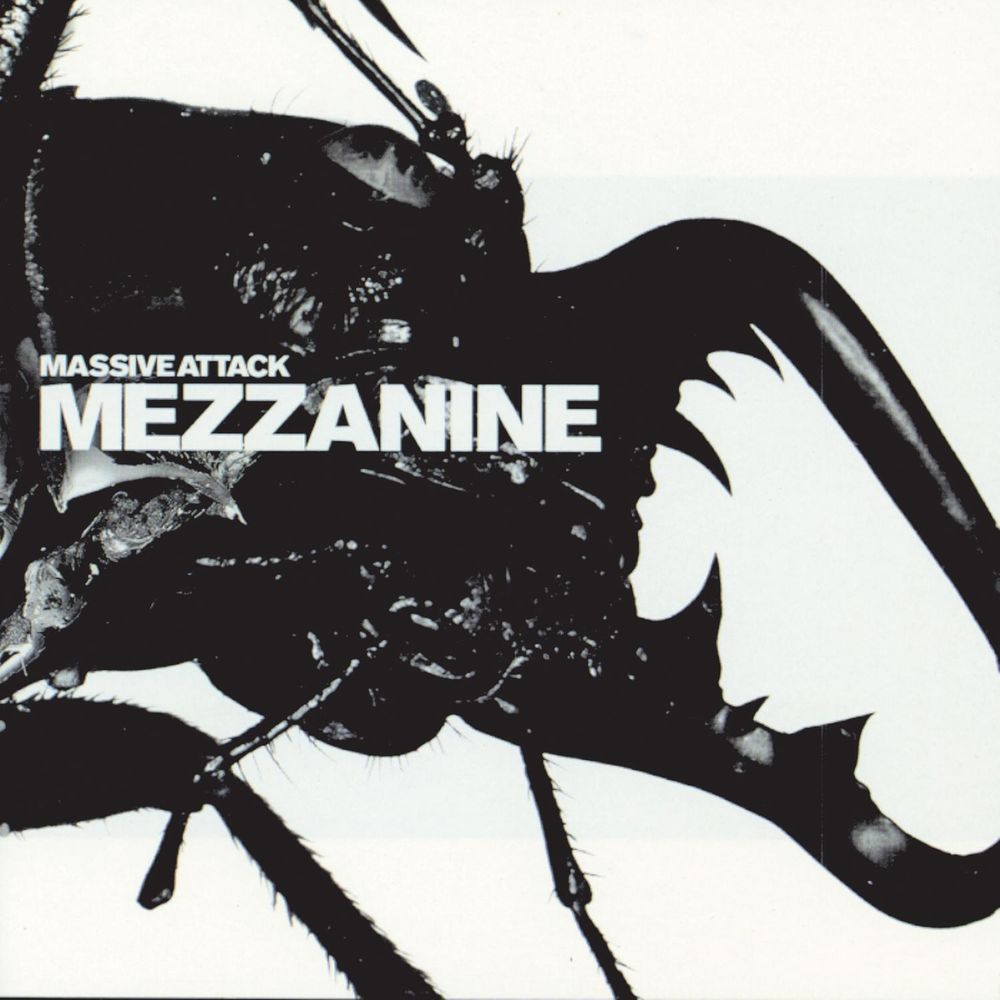
Mezzanine
Massive Attack
A masterpiece of trip-hop that shares Portishead's dark, atmospheric production and brooding sonic landscape with similarly hypnotic bass lines.

Post
Björk
Experimental electronic album with orchestral arrangements and intricate production that appeals to listeners who appreciate Portishead's sophisticated approach to electronic music.

Endtroducing.....
DJ Shadow
Instrumental trip-hop classic with warm, detailed turntable production and moody cinematic arrangements that pair perfectly with Dummy's vinyl listening experience.
Also Appears On
Essential Electronic on Vinyl
“Scratchy vinyl samples turned into cinematic trip-hop. Beth Gibbons' fragile voice over beats that sound like they're decaying in real time. The format and the content are inseparable.”
Rolling Stone's 500 Greatest Albums of All Time
“Trip-hop's masterpiece. Beth Gibbons' voice over scratchy samples and spy-movie strings is unlike anything else. 'Wandering Star' sounds like 3 AM feels. Bristol's finest export.”
Sounds Better on Wax
“Built from samples of scratchy vinyl records, then pressed onto vinyl. The circular logic is perfect. Beth Gibbons' voice over those crackling, cinematic loops was always meant to come out of a turntable.”
Debut Albums
“Trip-hop's debut and its peak. Beth Gibbons' voice over scratchy samples and cinematic production. 'Wandering Star' and 'Glory Box.' First time, best time.”
Apple Music 100 Best Albums
“Dummy landing at 67 feels generous on a mainstream list, honestly. This Bristol masterpiece basically invented trip-hop as we know it—Beth Gibbons' haunted vocals over those noir-drenched, sample-heavy productions changed everything about electronic music's potential for atmosphere. The needle drop on "Glory Box" or "Sour Times" still hits harder than records half its age. What's wild is how this album proved you could make something genuinely unsettling and commercially resonant at the same time; it's influencing everything from downtempo producers to film scores decades later. A classic that deserves way more than a top-70 slot.”
Own this record? Track it in your collection.