#5 of 100
· Cratewise Editorial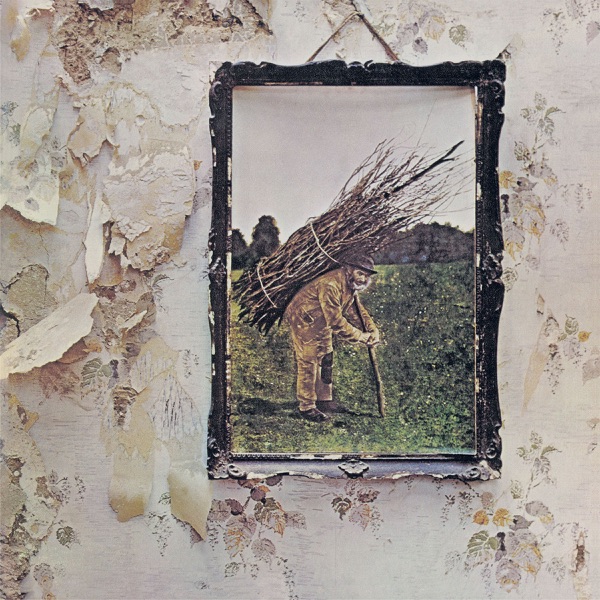
“I placed this here because it's the perfect intersection of ambition and accessibility—massive in scope yet endlessly replayable. "Black Dog" and "Rock and Roll" are needle-drop essentials, but the real genius is how Zeppelin balances bombast with intimacy across forty minutes. That untitled fourth album mystique still holds; there's something about the lack of a printed title that makes you lean in closer every listen. First pressings with the gatefold and those mysterious symbols are why people collect vinyl in the first place.”
Led Zeppelin was formed in 1968 by guitarist Jimmy Page, vocalist Robert Plant, bassist John Paul Jones, and drummer John Bonham. The British rock band revolutionized popular music by blending blues, rock, folk, and world music influences into a powerful, innovative sound. Their self-titled debut album in 1969 established them as major forces in rock music, featuring the iconic track "Whole Lotta Love." Throughout the 1970s, they released a series of landmark albums including Led Zeppelin II (1969), Led Zeppelin IV (1971), and Houses of the Holy (1973), which showcased increasingly sophisticated songwriting and production. The band disbanded in 1980 following John Bonham's death, but their influence remained immense. Their catalog spans hard rock epics, acoustic blues arrangements, mystical folk songs, and experimental soundscapes that continue to define rock music.
Style
Led Zeppelin pioneered heavy rock and hard rock, combining blues foundations with folk, Celtic, Eastern, and world music elements. Their sound is characterized by powerful, layered production, dynamic range from intimate acoustic passages to thunderous electric arrangements, and Plant's distinctive wailing vocals paired with Page's inventive guitar work.
Significance
Led Zeppelin's albums are cornerstone recordings for vinyl collectors, prized for their sonic depth, innovative production techniques, and enduring influence on rock music. Their vinyl releases, particularly the early albums and the reissues, are highly sought after for their superior sound quality and remain essential reference points for understanding modern rock music.
Led Zeppelin IV was recorded across multiple sessions between 1970 and 1971 at various locations including Headley Grange, a remote English manor house, and the Rolling Stones' Mobile Studio. The band deliberately moved away from the heavy blues-rock sound of their third album, embracing folk, acoustic arrangements, and mythological themes. Producer Jimmy Page worked with the band to capture a more organic, layered sound. The album features the acoustic masterpiece "Black Dog," the folk ballad "The Battle of Evermore" featuring guest vocalist Sandy Denny, and the iconic "Stairway to Heaven." The band's approach was experimental and collaborative, with each member contributing significantly to the songwriting and arrangements. Recording sessions were intense and productive, establishing the template for the band's most commercially and critically successful work.
Historical Context
Released in November 1971, Led Zeppelin IV arrived during a transformative period in rock music when artists were increasingly blending genres and exploring acoustic instrumentation. The early 1970s saw growing album-oriented rock radio play and the rise of progressive rock, which influenced the album's ambitious compositions. The lack of a title on the cover and the band's withdrawal from the music press created mystique and controversy. The album became a cultural phenomenon, eventually selling over 24 million copies worldwide and remaining one of the best-selling albums of all time. "Stairway to Heaven" became a rock radio staple and defined the era.
Pressing Notes
The original 1971 pressing on Atlantic Records (SD 7208) featured the iconic four-symbol cover designed by Hipgnosis. Early pressings are highly collectible, particularly British and early US editions. The album was remastered and reissued multiple times, including a 2014 deluxe edition and a 2021 remaster. Different pressings vary in sound quality and packaging details; audiophiles note variations in pressing quality, with some original 1970s pressings considered superior. The gatefold sleeve with interior images became iconic. Collectors should look for original Atlantic pressings, noting that reissues on various labels exist with different sound characteristics and collectibility values.

Also Appears On
Essential Classic Rock on Vinyl
“No title. No band name on the cover. Just four symbols and some of the heaviest, most dynamic music ever committed to tape. 'Stairway' gets the attention. 'When the Levee Breaks' deserves it more.”
Sounds Better on Wax
“Bonham's drums on 'When the Levee Breaks' were recorded in a stairwell at Headley Grange. On vinyl, you feel the air pressure of that room. The bass drum is a physical event.”
Rolling Stone's 500 Greatest Albums of All Time
“No title, no band name on the cover — just four symbols and some of the heaviest music ever pressed into vinyl. 'Stairway to Heaven' gets all the attention, but 'When the Levee Breaks' has the greatest drum sound ever recorded. John Bonham's kit still shakes the walls.”
Own this record? Track it in your collection.