#40 of 100
· Cratewise Editorial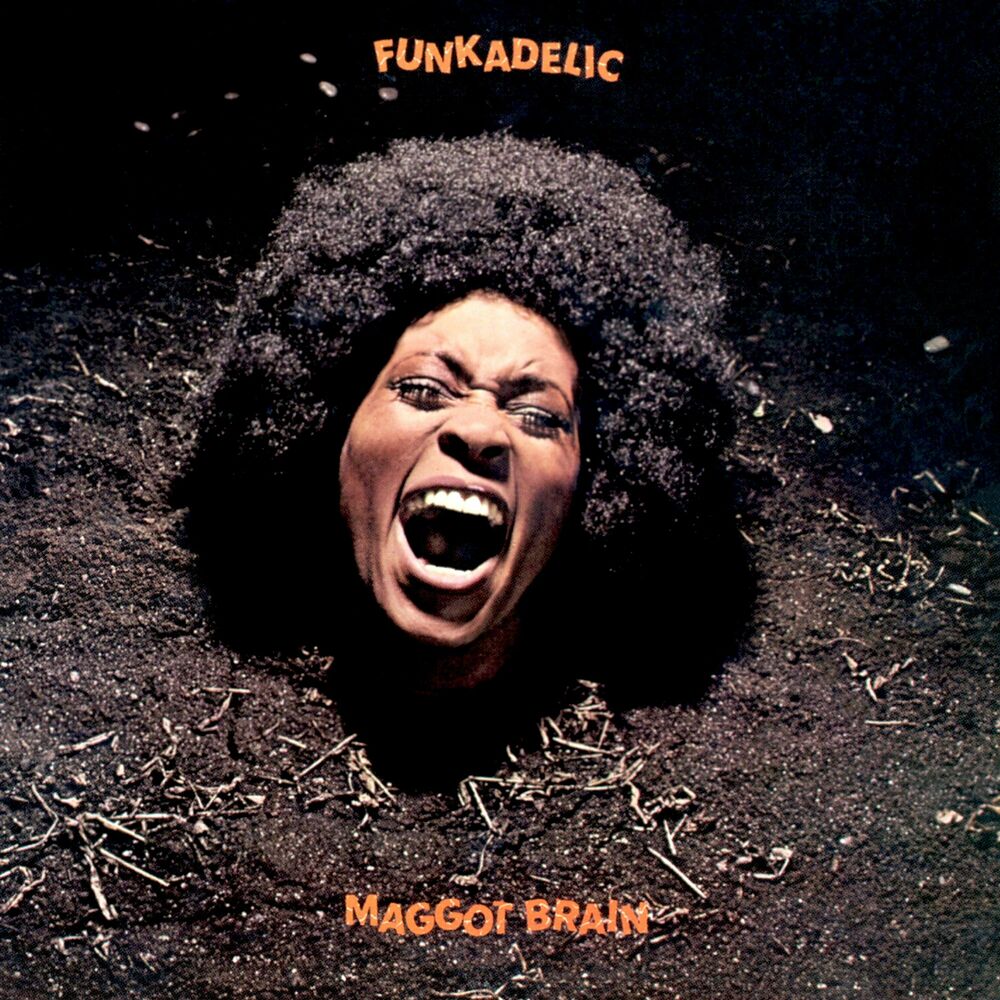
“Funkadelic's magnum opus lands here because it's the perfect intersection of raw psychedelia and funk groove—a record that sounds better every time you drop the needle. The opener, "Maggot Brain," is one of those transcendent deep cuts where Eddie Hazel's guitar just *speaks*, no vocals needed, just pure emotion translated through wax. This first press from Westbound has incredible warmth in the mix that later reissues can't quite capture. It's essential, it's heavy, and it fundamentally changed what rock and funk could do together—that's why it belongs in the pantheon.”
Funkadelic was the psychedelic funk project of George Clinton, formed in 1968 as an experimental counterpart to his Parliament organization. Emerging from Detroit's vibrant music scene, the band blended heavy psychedelic rock guitar work with funk grooves, creating a revolutionary sound that influenced generations of musicians. Their early albums, including the self-titled 'Funkadelic' (1970) and 'Maggot Brain' (1971), showcased Eddie Hazel's legendary guitar playing and Clinton's visionary production. Throughout the 1970s, Funkadelic released a series of acclaimed albums including 'One Nation Under a Groove' (1978), which became their commercial peak and a funk cornerstone. The band's fluid lineup featured rotating musicians who would become funk royalty, including Bernie Worrell, Bootsy Collins, and numerous horn players, creating a collective that redefined funk music's possibilities.
Style
Funkadelic pioneered psychedelic funk, fusing heavy, distorted guitar rock with syncopated bass lines, layered horns, and Clinton's cosmic production philosophy. Their sound is characterized by extended instrumental passages, studio experimentation, and a commitment to breaking genre boundaries.
Significance
Funkadelic's innovative approach to funk and rock fusion made them essential listening for vinyl collectors interested in 1970s funk, psychedelia, and George Clinton's legacy. Their albums, particularly 'Maggot Brain' and 'One Nation Under a Groove,' are considered classics that defined the sonic landscape of funk and remain highly sought-after on vinyl.
Maggot Brain, released in 1971, represents Funkadelic at their creative peak under the visionary leadership of George Clinton. Recorded at the tail end of the band's transition from psychedelic funk pioneers to fully realized studio innovators, the album showcases Clinton's ability to blend raw funk grooves with experimental rock and soul sensibilities. The iconic title track features a legendary guitar solo by Eddie Hazel, reportedly performed while the guitarist was in a psychologically altered state, creating an otherworldly, emotive performance that became one of funk's most celebrated moments. The album was recorded with a fluid lineup that included keyboardist Bernie Worrell and various session musicians, allowing Clinton to construct intricate, layered productions that would influence generations of funk and hip-hop artists.
Historical Context
Maggot Brain arrived during a transformative period in African American music, emerging from the late-60s psychedelic soul movement into harder, more politically charged funk. The early 1970s saw funk establishing itself as a dominant force, with James Brown's minimalist grooves providing one template while Funkadelic offered a more expansive, album-oriented alternative. The record's surreal, sometimes grotesque imagery and sexual frankness reflected broader countercultural attitudes. Though not an immediate chart smash, Maggot Brain became critically acclaimed and established Funkadelic as essential listening for musicians and collectors, influencing everything from Parliament's subsequent releases to the burgeoning jazz-funk and progressive funk scenes.
Pressing Notes
Original 1971 Westbound Records pressings are highly sought by collectors, with early presses featuring superior sound quality and original gatefold artwork. The distinctive cover art—a striking, distorted close-up photograph—remains iconic. Various reissues exist, including 1980s Westbound reissues and more recent audiophile-grade pressings from labels like Music on Vinyl and other reissue specialists. Original vinyl can vary in pressing quality; collectors should seek out early pressing variants marked with the original matrix numbers. The album has also been remastered multiple times for digital and vinyl formats, with some modern pressings offering improved clarity while others aim for period-appropriate sound characteristics.

Mothership Connection
Parliament
George Clinton's sister project featuring the same psychedelic funk aesthetic with cosmic arrangements and heavy groove foundations.
There's a Riot Goin' On
Sly and the Family Stone
Experimental funk with layered production and psychedelic elements that shares Maggot Brain's innovative approach to the funk genre.
Also Appears On
Essential Classic Rock on Vinyl
“George Clinton told Eddie Hazel to play like his mama just died. The 10-minute title track solo is the single greatest guitar performance ever recorded. Then the album pivots to raw funk. The range is inhuman.”
Essential Soul & Funk on Vinyl
“Eddie Hazel's 10-minute title track solo. George Clinton told him to play like his mama died. He did. Then the album switches to raw, primal funk. The emotional range is staggering.”
Rolling Stone's 500 Greatest Albums of All Time
“Deep enough in the list to separate casual fans from serious collectors. Funkadelic brought everything to Maggot Brain (1971) — the kind of record that reminds you why you started collecting vinyl in the first place. The Westbound pressing does it justice.”
Sounds Better on Wax
“Eddie Hazel's title track solo. On vinyl, the guitar sustain decays naturally — you can hear the amp breathing, the feedback building organically. Digital clips it. Vinyl lets it bleed.”
Own this record? Track it in your collection.