#13 of 100
· Cratewise Editorial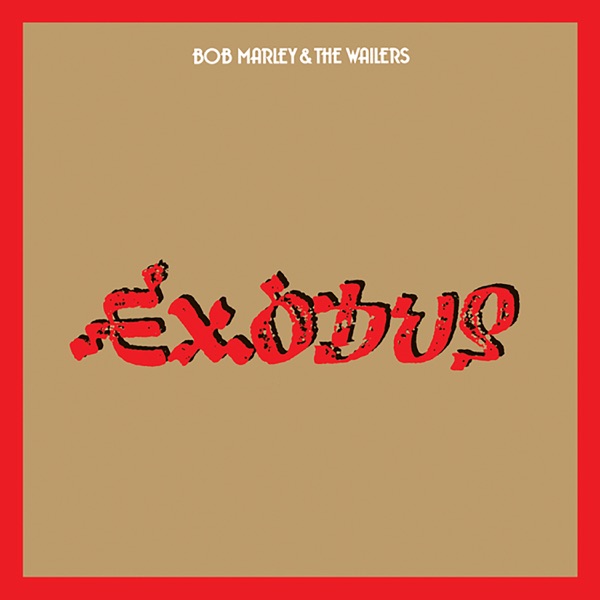
“Exodus sits at #13 because it's the perfect bridge between accessibility and artistic depth—the album that made reggae undeniable to the world without sacrificing an ounce of substance. Every needle drop rewards you, whether it's the opening punch of "Natural Mystic" or the devastating closer "Redemption Song," and those Island pressings from '77 capture the warmth of the riddims with stunning clarity. Marley was operating at peak creative powers here, working with producer Lee Perry's innovations while maintaining the Wailers' soul-deep groove. It's essential listening that never gets old, the kind of wax that justifies owning vinyl in the first place.”
Bob Marley (1945-1981) emerged as Jamaica's most internationally influential musician, transforming reggae from a local sound into a global phenomenon. Beginning his career in the early 1960s with The Wailers, Marley crafted a distinctive blend of reggae, ska, and rock that resonated worldwide. His 1973 album 'Catch a Fire' marked his commercial breakthrough in the US and UK, while 'Rastaman Vibration' (1976) and the landmark live album 'Live!' (1975) solidified his superstar status. His magnum opus 'Exodus' (1977) became reggae's most successful album, addressing themes of spiritual redemption, social justice, and African identity through infectious melodies and socially conscious lyrics that reflected his deep Rastafarian faith.
Style
Bob Marley pioneered reggae's international sound by blending the genre's syncopated rhythms with rock sensibilities, warm vocals, and politically charged lyrics. His music incorporated elements of soul, folk, and funk while maintaining reggae's spiritual and cultural foundation.
Significance
Marley's vinyl records remain essential for any serious collector, with 'Exodus,' 'Catch a Fire,' and 'Legend' (his greatest hits compilation) among the best-selling reggae albums ever. He single-handedly elevated reggae to mainstream respectability and remains the genre's most commercially successful and culturally impactful artist, making his original pressings highly valued by collectors worldwide.
Exodus was recorded during a tumultuous period in Bob Marley's life, primarily between 1976 and 1977 at Island Records' studios in London. Following the attempted assassination at his Kingston home in December 1976, Marley relocated to England to recover and distance himself from Jamaica's political violence. The album was produced by Island Records founder Chris Blackwell and engineer Tom Downton. Working with his crack band The Wailers—featuring bassist Aston "Family Man" Barrett, drummer Carlton Barrett, and keyboardist Tyrone Downie—Marley crafted a more introspective and spiritually focused collection. Songs like "Jamming" and "Three Little Birds" emerged during these sessions, alongside deeper cuts like "Natural Mystic" and the title track. The album synthesized reggae with international pop sensibilities while maintaining Rastafarian spiritual conviction.
Historical Context
Released in June 1977, Exodus arrived as reggae was gaining unprecedented global mainstream acceptance. The album became Marley's commercial breakthrough in many territories, particularly in Europe and North America, establishing him as the genre's international ambassador. It spent 56 weeks on the UK charts and became his best-selling album. The late 1970s saw increased interest in reggae among rock and pop audiences, and Exodus capitalized on this moment while the album's themes of spiritual resilience resonated with audiences worldwide. Critics praised its universal appeal without sacrificing authentic reggae roots.
Pressing Notes
The original 1977 Island Records pressing (ILPS 9498) is highly sought by collectors. Early UK pressings feature the iconic Peter Tosh design and command premium prices. Subsequent reissues include 1980s Virgin Records pressings and various international editions. The 2001 digital remaster pressing includes alternate mixes and bonus material. Collectors should seek early original UK pressings for superior pressing quality and authentic artwork, though these typically cost significantly more than later reissues. The album has been reissued numerous times due to its catalog importance, making various editions available at different price points.

Marcus Garvey
Burning Spear
A seminal roots reggae album with similar spiritual depth and powerful dub production techniques that complement Exodus's sonic palette.

Funky Kingston
Toots & The Maytals
A reggae classic with infectious grooves and soulful melodies that captures the same energetic spirit and Caribbean warmth as Exodus.
Also Appears On
Essential Reggae & Dub on Vinyl
“Time magazine's album of the century. Side A is revolution, Side B is love. 'Jamming,' 'One Love,' 'Three Little Birds.' The album that made reggae a global language.”
Apple Music 100 Best Albums
“Exodus at 46 feels criminally low for an album that basically *is* reggae's international breakthrough moment. The needle drop on "Natural Mystic" remains the perfect introduction to Marley's spiritual vision, while "One Love/People Get Ready" works as both a deep cut revelation and stadium anthem. That 1977 Island pressing captures something essential about the album's urgency—recorded while Marley recovered from a gunshot wound, it channels that defiance into a full-length meditation on faith and resistance. Hard to imagine modern reggae without this wax, let alone the broader conversation around Black music worldwide.”
Own this record? Track it in your collection.