#11 of 100
· Cratewise Editorial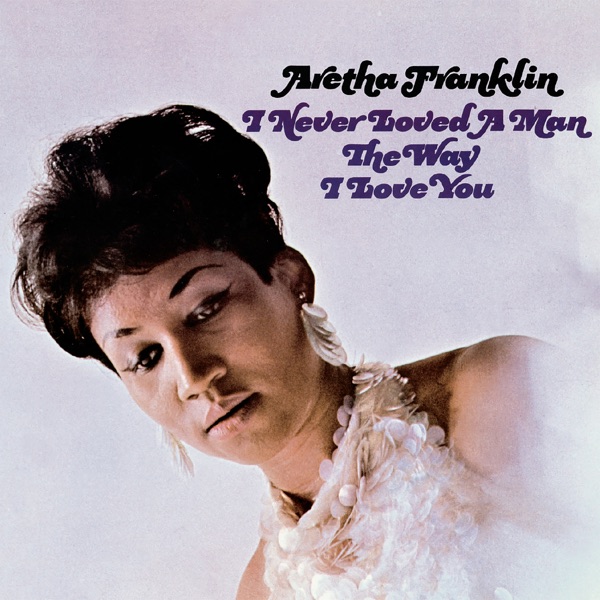
I Never Loved a Man the Way I Love You
Aretha Franklin
Year
1967
Genre
Soul/R&BLabel
Atlantic
Format
Vinyl LP
“Aretha's debut for Atlantic belongs nowhere but the upper echelon—this is where soul music stops being a genre and becomes a force of nature. That first needle drop on "I Never Loved a Man" hits different every single time; the band's locked-in tightness and her voice cutting through like nothing else matters. I've placed it here because it fundamentally changed what was possible in recorded soul, and honestly, every pressing of this record deserves a place of honor in your collection. The deep cuts run just as deep as the singles, making this one of those rare albums that rewards both casual listening and obsessive repeat spins.”
Aretha Franklin (1942-2018) emerged as the 'Queen of Soul' during the 1960s, becoming one of the most influential vocalists in music history. Daughter of renowned preacher C.L. Franklin, she began her career in gospel before transitioning to secular music. Her partnership with Atlantic Records producer Jerry Wexler proved transformative, yielding landmark albums like 'I Never Loved a Man the Way I Love You' (1967) and 'Lady Soul' (1968). Franklin's powerful contralto voice and emotional depth made her a civil rights icon and cultural ambassador. She continued recording and performing across multiple decades, exploring soul, funk, and R&B while maintaining her distinctive artistic integrity.
Style
Aretha Franklin pioneered modern soul music, blending gospel roots with R&B, funk, and pop sensibilities. Her commanding vocal delivery, sophisticated piano playing, and impeccable phrasing set the standard for soul vocalists.
Significance
Her influence on soul music and American culture is immeasurable, making her albums essential vinyl collecting pieces. Original Atlantic Records pressings from her peak era (1967-1975) are highly sought-after by collectors for their sonic quality and historical importance.
Aretha Franklin's debut album for Atlantic Records, recorded primarily at FAME Studios in Muscle Shoals, Alabama, marked a dramatic turning point in her career. Produced by Jerry Wexler, the sessions captured Franklin at a creative peak, pairing her powerful vocals with the legendary Muscle Shoals Sound musicians including guitarist Jimmy Johnson and the rhythm section that would define Southern soul. The album's title track, written by Ronnie Shannon, became an immediate hit and showcased Franklin's ability to infuse pop standards and soul numbers with raw emotional intensity. Recording took place in early 1967, with Franklin drawing on her gospel roots while embracing a more contemporary soul sound that contrasted sharply with her previous Columbia Records output.
Historical Context
Released in March 1967, the album arrived during the height of the soul music explosion and the Civil Rights era. It coincided with Franklin's personal liberation from an unhappy marriage, themes that resonated throughout the record. The title track became her first major hit single, reaching the top 10 and establishing her as a major force in popular music. The album's success helped redefine Aretha as the 'Queen of Soul' and demonstrated that Atlantic Records' investment in her artistry was justified. It influenced the trajectory of soul and R&B music throughout the late 1960s and helped legitimize the Muscle Shoals studio as a premier recording destination.
Pressing Notes
The original Atlantic pressing (SD 8139) is highly sought by collectors, particularly early stereo versions. The album has been reissued multiple times across different formats and labels. Early 1960s Atlantic pressings vary in sound quality and label design, with deep groove pressings generally preferred by audiophiles. The album was later remastered and released on CD, and has been included in various box sets and reissues. Collectors should seek out original Atlantic pressings for the best reproduction of the Muscle Shoals recordings, though later Japanese pressings from the 1980s-90s are also well-regarded for sound quality.
Also Appears On
Rolling Stone's 500 Greatest Albums of All Time
“Aretha walked into FAME Studios in Muscle Shoals and the first thing she cut was the title track. The original pressing captures lightning in a bottle — that voice over those Muscle Shoals rhythm sections. 'Respect' became an anthem, but every track here is a lesson in vocal authority.”
Essential Soul & Funk on Vinyl
“Muscle Shoals. 'Respect.' The Queen. The musicians stopped playing to stare when she started singing. This is the moment soul music found its queen.”
Apple Music 100 Best Albums
“Aretha at forty feels slightly conservative for an album that basically rewrote the rulebook for soul music. "I Never Loved a Man" arrived like lightning in '67—that title track alone, arranged by Jerry Wexler with such restraint it lets her voice do the heavy lifting, should rank higher on any credible list. The deep cuts matter just as much here; "Do Right Woman, Do Right Man" is pure protest wrapped in velvet, and it's shocking how these sessions still hit with urgency on the needle drop. This is the album that crowned her the Queen, so while forty is respectful, I'd argue it deserves to sit closer to the summit.”
Own this record? Track it in your collection.