#24 of 25
· Cratewise Editorial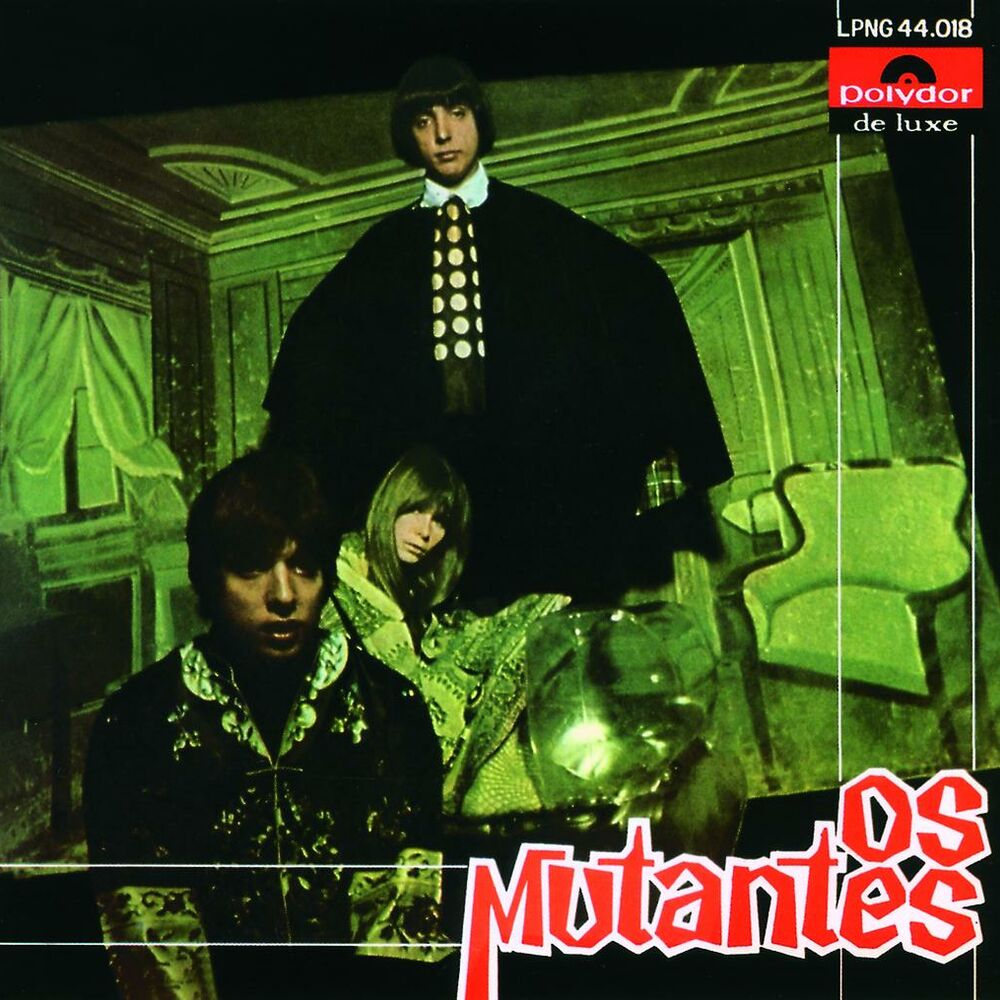
“Brazilian psychedelia, tropicália, and avant-garde noise from São Paulo teenagers. Kurt Cobain called them the best band that ever existed. Their debut is why. Under $30.”
Os Mutantes were a pioneering Brazilian psychedelic rock band formed in São Paulo in 1966, consisting of brothers Arnaldo and Sergio Dias Baptista and Rita Lee. The band emerged as a central force in the Tropicália movement, collaborating with Gilberto Gil and Caetano Veloso on landmark projects that blended rock, samba, bossa nova, and avant-garde experimentation. Their self-titled debut album (1968) and "A Divina Comédia ou Ando Meio Desligado" (1970) showcased their innovative arrangements, elaborate harmonies, and fearless genre-blending approach. Os Mutantes remained active through the 1970s and reunited periodically thereafter, earning recognition as one of Brazil's most influential psychedelic acts and a crucial bridge between Brazilian popular music and rock counterculture.
Style
Os Mutantes blended psychedelic rock with Brazilian popular music forms including samba, bossa nova, and forró, characterized by elaborate vocal harmonies, unconventional instrumentation, playful experimentation, and densely arranged productions that were both avant-garde and deeply rooted in Brazilian tradition.
Significance
Os Mutantes are essential to any serious collection of 1960s-70s psychedelic and world music, representing the vital Tropicália movement and demonstrating how rock could authentically fuse with non-Western musical traditions. Their influential albums remain highly sought by collectors interested in Brazilian music history and experimental rock.
Os Mutantes' self-titled debut album, released in 1968, emerged from São Paulo's avant-garde music scene and represents a creative explosion of Brazilian experimentation. The trio—Arnaldo Baptista, Serginho Dias, and Rita Lee—collaborated with producer Rogerio Duprat, who introduced sophisticated orchestral arrangements and studio techniques that pushed against the boundaries of conventional Brazilian music. The album blends tropicália aesthetics with psychedelic rock, electronic experimentation, and traditional Brazilian rhythms. Songs like "Panis et Circensis" showcase their ability to merge complex arrangements with playful vocal harmonies, while instrumental passages demonstrate their sophisticated musical training and willingness to embrace avant-garde production methods uncommon in Brazilian popular music at the time.
Historical Context
Released during the peak of tropicália, the movement that challenged Brazilian cultural conservatism and military dictatorship rule, Os Mutantes' debut arrived at a pivotal moment. The late 1960s saw Brazilian artists increasingly incorporating psychedelic and experimental rock influences while maintaining distinctly Brazilian identities. The album was embraced by a young, educated audience seeking artistic innovation, though its experimental nature meant it remained somewhat underground compared to mainstream bossa nova. The political climate of Brazil under military rule added an edge to the group's provocative approach to music and performance. Os Mutantes would become central figures in tropicália's legacy, influencing subsequent generations of Brazilian and international progressive musicians.
Pressing Notes
The original 1968 pressing on Polydor Brasil is highly sought by collectors, with early copies featuring the iconic psychedelic album cover. Subsequent reissues have appeared on various Brazilian and international labels throughout the decades. Collectors should note that Brazilian pressings from the original era can vary in pressing quality and cover variations. Reissues from the 1990s onward, including CD and vinyl editions on labels like Omit and Rhino, have improved accessibility for collectors unable to source originals. The original gatefold pressing remains the most desirable version among serious collectors, though all authorized vinyl editions capture the album's sonic innovation effectively. Condition is important for original pressings due to manufacturing inconsistencies of the era.

The Kinks Are the Village Green Preservation Society
The Kinks
Shares Os Mutantes' playful experimentation with rock structure, quirky vocals, and willingness to blend diverse musical styles.

The Piper at the Gates of Dawn
Pink Floyd
Offers similar psychedelic rock sensibilities with unconventional song structures and experimental studio production techniques.
Own this record? Track it in your collection.