#69 of 100
· Apple Music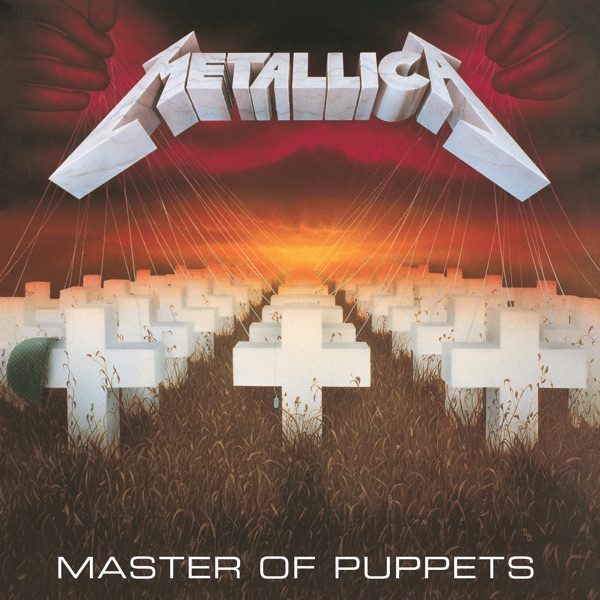
“Master of Puppets at 69 feels criminally low for what might be the most influential metal album ever pressed to wax. The title track alone—that crushing riff, the instrumental section that builds like a controlled explosion—should bump this higher on any serious list. Sure, it's the obvious pick, but there's a reason: Cliff Burton's bass work on side A rewrote what metal could be, and the songwriting across all four sides shows a band at peak ambition before tragedy struck. If you're building a collection and don't own this, the 2017 remaster is the move.”
Metallica formed in Los Angeles in 1981, becoming one of the most influential heavy metal bands of all time. The classic lineup of James Hetfield, Kirk Hammett, Jason Newsted, and Lars Ulrich solidified the band's sound through landmark albums like Master of Puppets (1986) and ...And Justice for All (1988). Their self-titled 1991 album, commonly known as 'The Black Album' due to its all-black cover, achieved massive mainstream success and remains one of the best-selling albums ever. The band continued evolving through the 1990s and 2000s with albums like Load and Reload, though these represented a notable shift toward alternative metal influences. Metallica's influence on thrash metal and heavy music generally is immeasurable, having defined the genre's technical standards and commercial viability.
Style
Metallica pioneered thrash metal, combining fast, intricate guitar work with aggressive vocals and complex song structures. Their sound evolved from raw, guitar-driven aggression in their early years to more melodic, groove-oriented compositions in later decades.
Significance
As one of metal's most commercially successful acts, Metallica's vinyl releases are highly sought after by collectors, particularly original pressings of Master of Puppets and The Black Album. Their discography represents key chapters in heavy metal history, making their records essential to serious metal collectors' collections.
Master of Puppets, Metallica's third studio album, was recorded at the One on One Recording Studios in Los Angeles from October 1985 to January 1986. The band worked with producer Flemming Rasmussen, who had helmed Ride the Lightning, creating a heavier and more ambitious sound. The album showcases expanded songwriting with complex arrangements and longer compositions, particularly the 8+ minute title track. James Hetfield and Kirk Hammett's guitar interplay reaches new heights, while Ron McGovney's bass playing—heard here for the last time before his death in September 1986—adds crucial depth to tracks like "Orion." The album was conceived as a concept exploring control and manipulation across its four lengthy tracks and three shorter pieces, touching on themes of addiction, war, and institutional power.
Historical Context
Released in March 1986, Master of Puppets arrived during thrash metal's explosive growth, positioning Metallica as the genre's leading force. The album reached #29 on the Billboard 200, a significant achievement for a metal record, and helped establish MTV's Headbangers Ball as a crucial outlet for the genre. Tragically, the album's impact was shadowed by Ron McGovney's death in a tour bus accident just months after release, profoundly affecting the band and their devoted fanbase. The record became a touchstone for the thrash movement and influenced countless metal bands throughout the late 1980s and beyond.
Pressing Notes
The original 1986 Elektra pressing on black vinyl is highly sought after by collectors. Early pressings featured specific mastering characteristics and Elektra's distinctive matrix codes. The album has been reissued multiple times, including a 1999 remaster and a 2017 deluxe box set remaster. Collectors should note that original first pressings command premiums, particularly mint copies with original inner sleeves and artwork. The album was also pressed on picture disc and colored vinyl variants in later years. As with most Metallica records, original black vinyl pressings from the 1986 first edition remain the most desirable to collectors seeking the album's original sonic presentation.
Also Appears On
Own this record? Track it in your collection.