#58 of 100
· Apple Music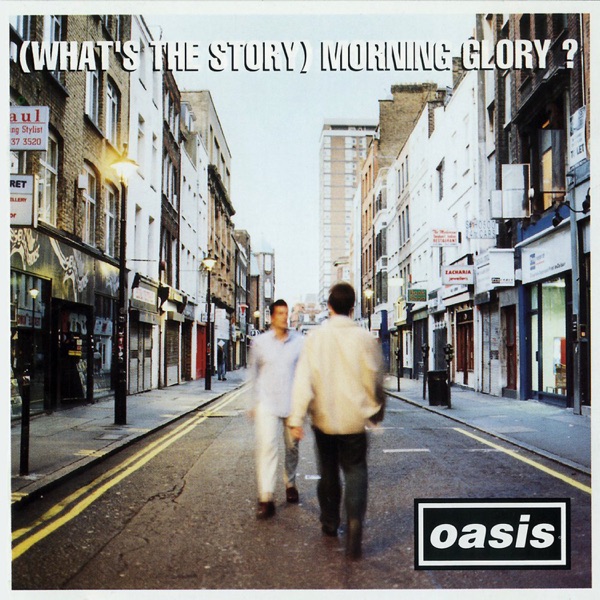
(What's the Story) Morning Glory?
Oasis
Year
1995
Genre
RockLabel
Creation
Format
Vinyl LP
“Solid placement for one of the '90s most consequential records, though I'd argue it deserves higher. This album is pure melodic confidence—Noel Gallagher's songwriting is pristine across all eleven tracks, and that wall-of-sound production by Owen Morris became the blueprint for britpop's biggest moments. The needle drop on "Wonderwall" alone changed how millions heard alternative rock, but what gets overlooked is the album's depth: "Don't Look Back in Anger," "Champagne Supernova," "Morning Glory"—any band would kill for a run like this. First press copies still sound stunning with the right turntable setup.”
Oasis emerged from Manchester in 1991, becoming one of the defining bands of the 1990s Britpop movement. Led by brothers Liam Gallagher (vocals) and Noel Gallagher (guitar, songwriting), the band achieved massive commercial success with their debut album "Definitely Maybe" (1994) and second album "(What's the Story) Morning Glory?" (1995), both certified multi-platinum worldwide. The group's melodic rock sound, characterized by Noel's songwriting and Liam's distinctive vocal delivery, made them one of the best-selling acts of the decade. Internal tensions, particularly between the brothers, led to the band's breakup in 2009, though they reunited in 2022 for a successful tour.
Style
Oasis crafted anthemic rock with strong melodic sensibilities, drawing from The Beatles, The Who, and glam rock influences. Their sound blended 1960s-inspired guitar hooks with 1990s production, creating accessible yet ambitious rock songs that dominated radio and stadiums.
Significance
Oasis represents a pivotal moment in rock music and vinyl collecting, with their two debut albums considered essential 1990s recordings. Their original UK pressings and various editions remain highly sought after by collectors, and their music helped sustain vinyl's cultural relevance through the CD era.
(What's the Story) Morning Glory? was recorded between late 1994 and early 1995 at various studios, primarily at Sawmills Studio in Cornwall and other UK locations. The album was produced by Owen Morris and Noel Gallagher, capturing the band at a peak creative moment. Noel Gallagher wrote most of the material during a prolific songwriting period, crafting some of the era's most memorable melodies. The sessions were marked by the classic Oasis lineup's chemistry—Liam Gallagher's distinctive vocal delivery paired with Noel's guitar work and compositions. Key tracks like "Wonderwall," "Don't Look Back in Anger," and "Champagne Supernova" emerged from these sessions, showcasing the band's gift for crafting anthemic rock songs with pop sensibilities. Despite occasional tensions between the brothers, the album captured an infectious energy and confidence that defined the band's artistic peak.
Historical Context
Released in October 1995, (What's the Story) Morning Glory? arrived during the height of Britpop, positioning Oasis as rivals to Blur and at the forefront of a British rock revival. The album became a massive commercial and critical success, eventually selling over 19 million copies worldwide and becoming one of the best-selling albums of the 1990s. It dominated charts globally and helped define mid-90s popular culture. The album's success made Oasis stadium-filling rock stars and established them as generational icons. Coming after their debut Definitely Maybe, the follow-up proved they weren't a one-album wonder, solidifying their status as one of the decade's most important bands.
Pressing Notes
The original 1995 UK pressing on Creation Records is the most collectible edition, particularly first pressings with original matrix numbers. The album was pressed on 180-gram reissue vinyl in 2014 by Big Brother Records, which is widely available and highly regarded by collectors for audio quality. Various colored vinyl editions and picture discs have been released over the years, particularly through the 2014 reissue and subsequent pressings. Japanese pressings from the 90s, especially those with OBI strips, command premiums among collectors. The original pressing condition significantly impacts value; near-mint copies are highly sought. Later standard black vinyl reissues from 2010s onward are affordable entry points, while original 1995 UK pressings in excellent condition remain investment-grade records.
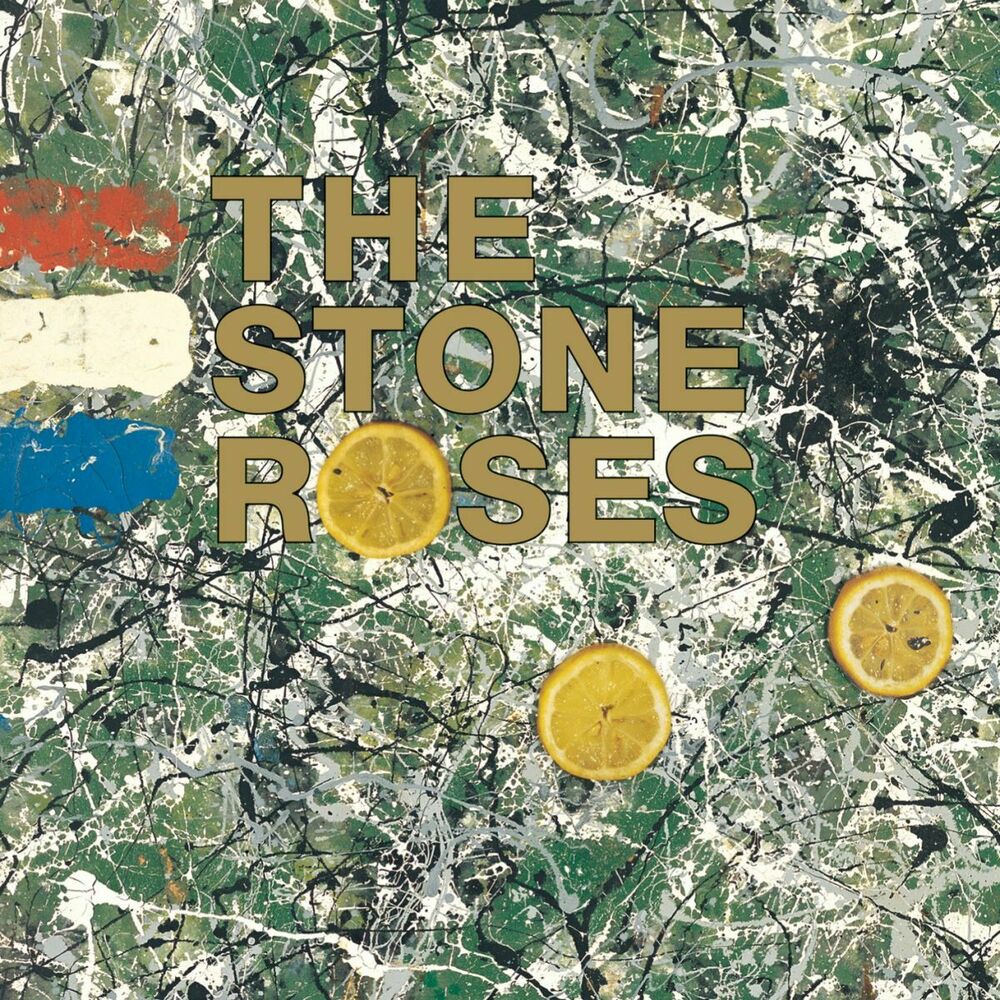
The Stone Roses
The Stone Roses
This landmark 1989 album shares the same anthemic rock sound with lush production and features the same Manchester scene influence that defined Oasis's style.
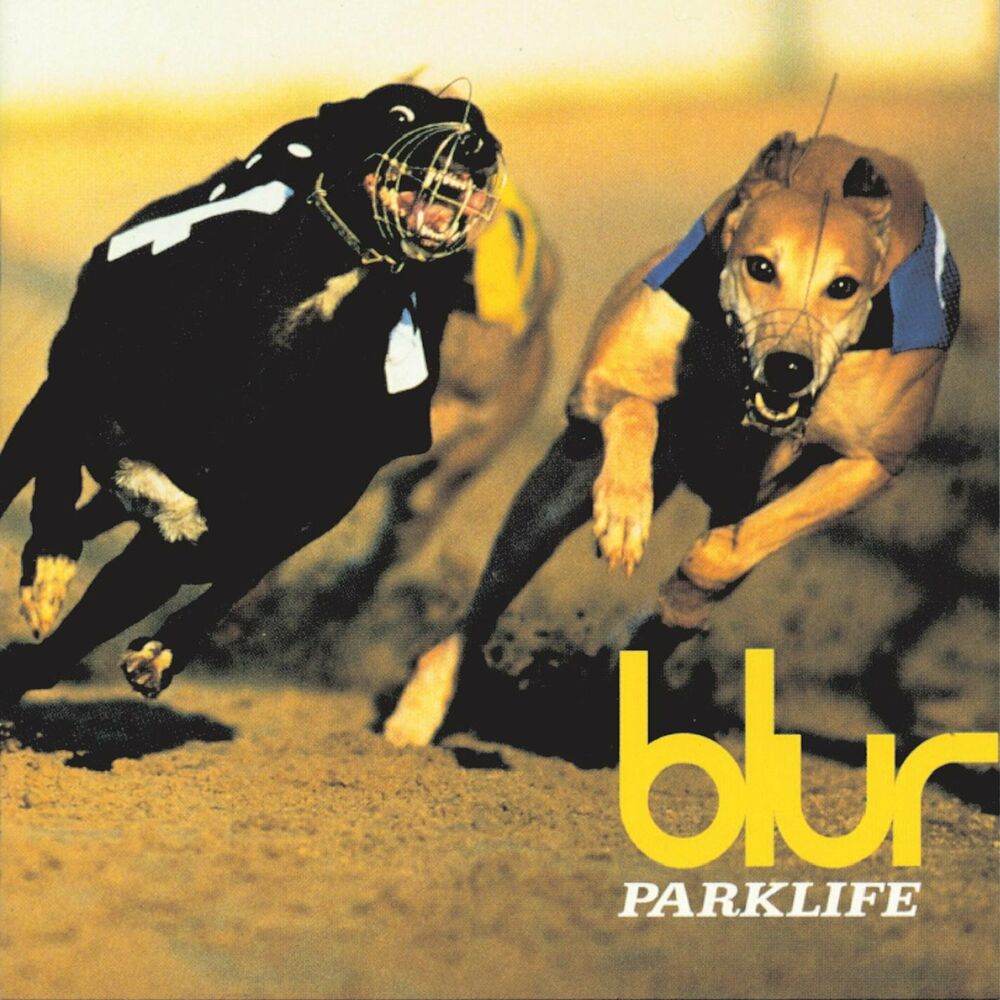
Parklife
Blur
As Oasis's primary rival during the Britpop era, Blur's 1994 album offers similarly catchy songwriting and guitar-driven rock with a distinctly British character.

Different Class
Pulp
This 1995 Britpop classic features the same era's melodic sensibilities and orchestral arrangements that complement Oasis's big, soaring sound.
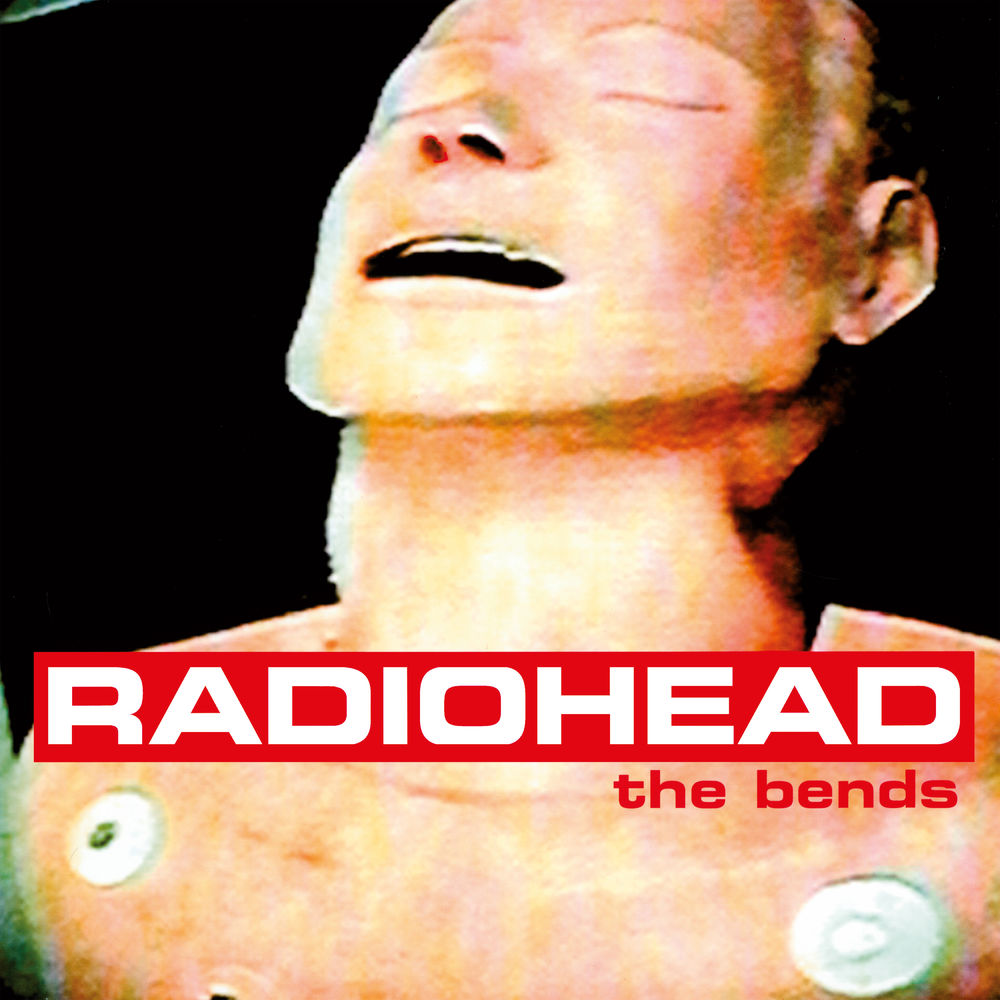
The Bends
Radiohead
This 1995 album features guitar-forward alternative rock with soaring melodies and stadium-ready hooks that align with Morning Glory's accessible yet ambitious approach.
Also Appears On
Own this record? Track it in your collection.